This article pitches Colorado's new commercial marijuana regulations, including making more space for public consumption, as a way for the state to keep up with California.



John Wenzel reports from Colorado, which is planning reform to its marijuana laws—partly by making the public consumption of marijuana easier through land use regulation.
"Starting on Jan. 1, House Bill 1230 will allow two entirely new types of businesses in Colorado: tasting rooms that can sell cannabis flower and cannabis products, and “marijuana hospitality establishments,” which can’t sell cannabis on-site but allow full use of the plant (including on tour buses)," according to Wenzel.
"The new rules, signed into law by Gov. Jared Polis in May, include House Bill 1234, which allows for commercial home delivery of cannabis. But the biggest deal is undoubtedly the consumption rules. Ever since Amendment 64 legalized statewide retail sales, growth and possession of pot in 2014, residents and especially tourists have been forced to find creative ways to consume their weed in the absence of any legal, public option," adds Wenzel.
As noted by Wenzel, despite the statewide scope of the legislation, local governments retain control of the permitting process for marijuana businesses enabled by the new legislation.

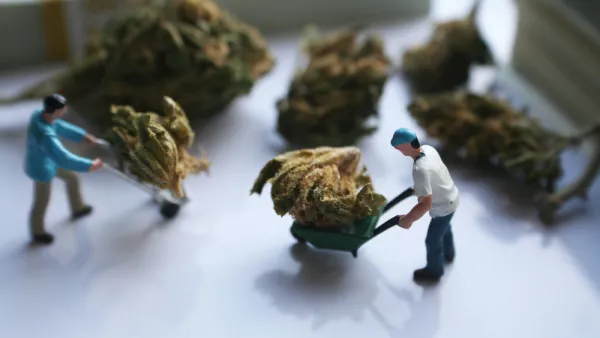
Zoning for Marijuana: Retail Not Included
Local municipalities in New Jersey retain local control in response to a state law that legalizes marijuana businesses throughout the state.
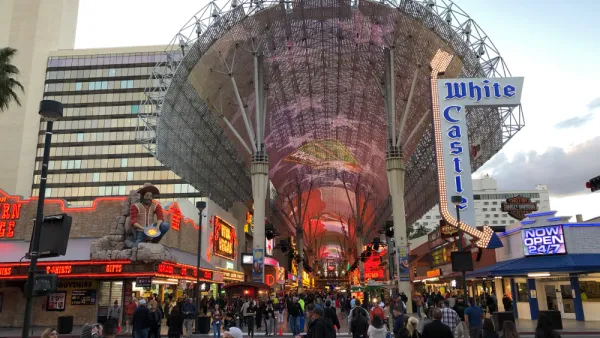
Social Use Venues, or Marijuana Lounges, Now Legal in Las Vegas
It's legal to smoke marijuana in Nevada, but the adult tourists traveling to Las Vegas have had a hard time finding places to smoke marijuana legally.

Denver Won't Ease Restrictions for Social Marijuana Uses
The ongoing evolution of land use regulation related to legal marijuana hit a roadblock in Denver this month, although the city has already allowed nearly unprecedented freedom (in the U.S., at least) to buy, sell, and consume marijuana in the city.

The state-sanctioned urbicide of Austin
People don’t kill cities. Freeways do.

US to reduce Colorado River water deliveries to Mexico
A new Colorado Treaty amendment reduces Mexico’s Colorado River water allocation by 250,000 acre feet.

New Jersey’s second-largest city bans standalone data centers
Jersey City will continue to allow co-location facilities, such as those meant for research institutions that store their own data.

Amtrak not solely to blame for New Jersey commuter rail's unreliability, report finds
A new study from the Garden State Initiative found that NJ Transit’s budget grew 20% across a 4 year period, but reliability declined significantly over the same period.

EPA erases limits on planet-warming pollution from power plants
Under Monday’s plan, power plants would still have some limits on how much mercury, arsenic and other contaminants they can emit.

Phoenix announces new on-demand transit service, more frequent RAPID buses
Both new services will launch in October, and are part of Phoenix's Project Effective Access Solutions for Easing Congestion.

FREE Course: Walkable City 1: Why Walkability?
After describing his path towards focusing on walkability as the essence of good planning, Jeff Speck marches through his five principal reasons for making more walkable places.
Reinventing Malls: Planning Alchemy—Turning Gray Fields Into Gold
The course focuses on the opportunities and imperatives that shape reinvention of mall sites.

Eagle County Government
Harvard University Graduate School of Design
Nashville Planning Department
The Architects Foundation
University of Cincinnati Online
The Pocatello Development Authority
The Urban Renewal Agency of the City of Pocatello
Journal of the American Planning Association