The city is considering a proposal to reduce greenhouse gas emissions even more by aiming for carbon neutrality by 2050.


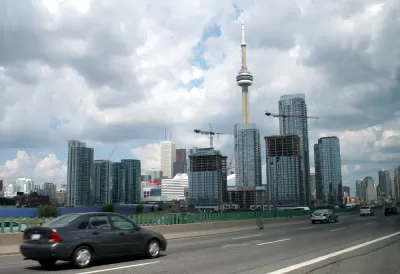
David Rider reports that the Toronto City Council will consider a proposal to become a carbon-neutral city by 2050. "The proposal from right-leaning Mayor John Tory and left-leaning Coun. Mike Layton, with input from local environmentalists, will update the city’s previous target of cutting greenhouse gas emissions to 80 per cent below 1990 city levels by 2050."
Officials reported in July that the city surpassed its 2020 target, to reduce 1990 emissions levels by 30 percent, when it cut emissions by 44 percent. This new commitment will accelerate the process through increased efforts and investments in climate-change reduction strategies.
"Retrofitting Toronto Community Housing buildings to make them more energy efficient, buying electric vehicles including new TTC buses, and enticing Torontonians to get to work by foot, bike or transit, instead of car, are among initiatives in the 2017 'TransformTO' climate action strategy," notes Rider.
FULL STORY: City of Toronto aiming to be carbon neutral by 2050 or earlier


Editorial: Toronto’s Snow Clearing Plan Isn’t Fair
The city’s plan for dealing with snow and ice on sidewalks this winter doesn't address past problems and won't meet the needs of residents, say critics.
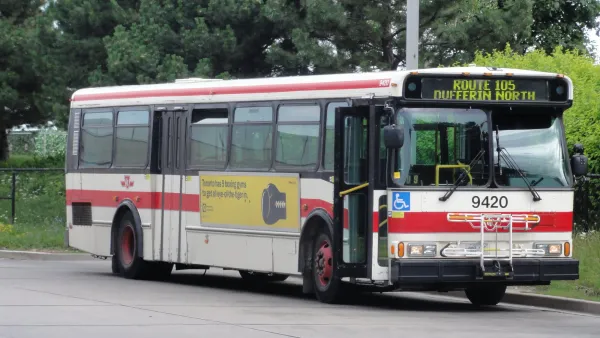
Toronto Could Give Buses and Streetcars Priority
In a shift away from subway expansions and upgrades, Toronto looks to improve the bus and streetcar systems.
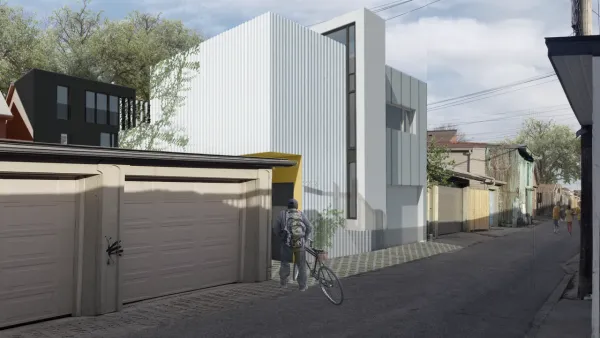
Breathing New Life Into Toronto's Laneways
Laneway development throughout the city is ramping up with new construction and public space projects.

Planetizen Federal Action Tracker
A weekly monitor of how Trump’s orders and actions are impacting planners and planning in America.

The state-sanctioned urbicide of Austin
People don’t kill cities. Freeways do.

US to reduce Colorado River water deliveries to Mexico
A new Colorado Treaty amendment reduces Mexico’s Colorado River water allocation by 250,000 acre feet.

5 New England states march closer to 800 megawatt wind energy project
Securing federal approval for the project may be complicated under the Trump administration, which has historically been hostile towards domestic wind power.

Baltimore to break ground on $50 million Transit Priority Project
The project will bring faster bus trips, safer streets and better bike connections to Baltimore.

Airbnb launches $250 million 'last-dollar financing' housing accelerator, makes first investment in Austin
The company will put $6.4 million towards affordable housing development in Texas’ capital.

FREE Course: Walkable City 1: Why Walkability?
After describing his path towards focusing on walkability as the essence of good planning, Jeff Speck marches through his five principal reasons for making more walkable places.
Reinventing Malls: Planning Alchemy—Turning Gray Fields Into Gold
The course focuses on the opportunities and imperatives that shape reinvention of mall sites.

Eagle County Government
Harvard University Graduate School of Design
Nashville Planning Department
The Architects Foundation
University of Cincinnati Online
The Pocatello Development Authority
The Urban Renewal Agency of the City of Pocatello
Journal of the American Planning Association