A researcher at the University of Sydney in Australia offers three recommendations for planners to better negotiate the real world of politics and governance to help create healthier communities.


Jennifer Kent details three ways that urban planners can have a positive impact on public health. Writing from Australia, Kent's lessons apply easily to the United States and other countries around the world.
Although providing better infrastructure for walking and biking is a prime example of better planning producing better public health outcomes, Kent wants to focus on three les appreciated methods to promote better health.
Equity provides the overarching theme of the three recommendations that follow in the article. "Urban planners are well versed in the fundamentals of planning the equitable city," writes Kent. "But planners must work within the constraints of our political systems and prevailing approaches to government."
The three recommendations, with more detail and explanation included in the article, read as follows: 1) Play to emotions, 2) speak the language of money, and 3) enlist trusted figures.
FULL STORY: Working the system: 3 ways planners can defy the odds to promote good health for all of us


Making Healthy Places
The editors of the book "Making Healthy Places," recently published in a second edition by Island Press, discuss the intersections of public health and planning, including key concepts such as green gentrification, health impact assessments, and AI.
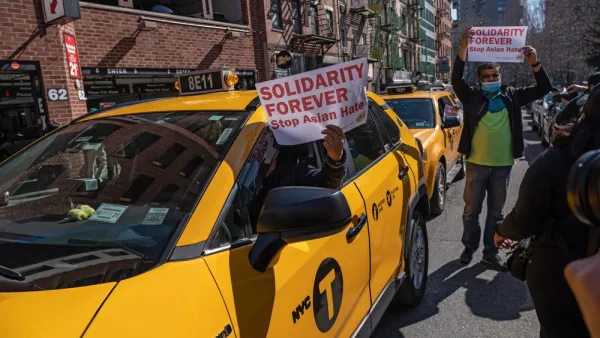
'Never Let a Good Crisis Go to Waste' and Planning in the Pandemic
The latest in a series of compendia collecting news and commentary focusing on the complexities of the COVID-19 pandemic's effect on communities.
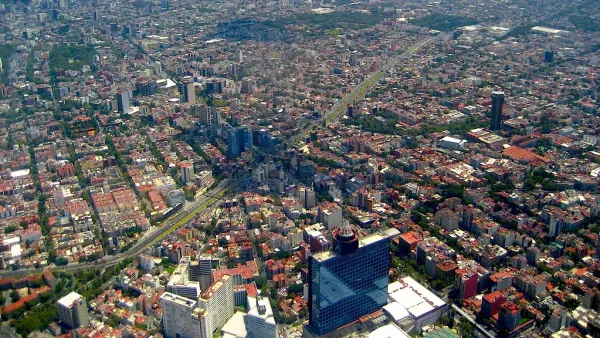
A Compact, Connected, Clean, and Inclusive Recovery for Mexico
As the Mexican government charts the country’s recovery from COVID-19, a newly published paper charts national solutions to urban transportation and housing challenges that will put Mexico’s cities on a path to prosperity and resilience.

Planetizen Federal Action Tracker
A weekly monitor of how Trump’s orders and actions are impacting planners and planning in America.

The state-sanctioned urbicide of Austin
People don’t kill cities. Freeways do.

US to reduce Colorado River water deliveries to Mexico
A new Colorado Treaty amendment reduces Mexico’s Colorado River water allocation by 250,000 acre feet.

5 New England states march closer to 800 megawatt wind energy project
Securing federal approval for the project may be complicated under the Trump administration, which has historically been hostile towards domestic wind power.

Baltimore to break ground on $50 million Transit Priority Project
The project will bring faster bus trips, safer streets and better bike connections to Baltimore.

Airbnb launches $250 million 'last-dollar financing' housing accelerator, makes first investment in Austin
The company will put $6.4 million towards affordable housing development in Texas’ capital.

FREE Course: Walkable City 1: Why Walkability?
After describing his path towards focusing on walkability as the essence of good planning, Jeff Speck marches through his five principal reasons for making more walkable places.
Reinventing Malls: Planning Alchemy—Turning Gray Fields Into Gold
The course focuses on the opportunities and imperatives that shape reinvention of mall sites.

Eagle County Government
Harvard University Graduate School of Design
Nashville Planning Department
The Architects Foundation
University of Cincinnati Online
The Pocatello Development Authority
The Urban Renewal Agency of the City of Pocatello
Journal of the American Planning Association