U.S. Senator Todd Young (R-Indiana) has introduced a new law that picks sides in the housing debate, though the law is unlikely to produce structural change in the development process the near future.



A press release from the office of U.S. Senator Todd Young announced the introduction of the "Yes In My Back Yard Act" [pdf] late last week, aiming "to shed light on discriminatory land use policies, encourage localities cut [sic] burdensome regulations, and bring a new level of transparency to the community development process."
To achieve that effect, the YIMBY Act "would require Community Development Block Grant (CDBG) recipients to go on the record with why they are not adopting specific pro-affordability and anti-discriminatory housing policies," according to the press release.
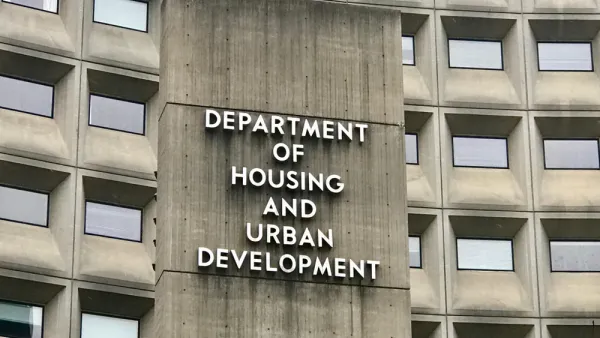
The adoption for the YIMBY moniker by a Republication lawmaker at the national level isn't unprecedented. U.S. Housing and Development Department Secretary Ben Carson has adopted YIMBY stances on several occasions. Senator Young has also shown support for federal housing programs in the past.


The Federal YIMBY Act Makes Progress in the House
A federal bill intended to increase transparency in land use and zoning decisions as well as encourage localities to eliminate barriers to housing has advanced out of a House of Representative committee.

Five Years of California’s Landmark Land Use Law, SB 35
It’s been five years since the California Legislature approved Senate Bill 35 to clear hurdles to housing construction. How much of its intentions has the law accomplished, and what should planners look for in the next few years?
How Federal Policy Can Support More Affordable Housing in Exclusionary Communities
The recently funded “Yes In My Back Yard” federal grant program provides support for local and state governments to implement housing policy reforms, but it doesn’t go far enough to undo the exclusionary practices of wealthy communities.

Planetizen Federal Action Tracker
A weekly monitor of how Trump’s orders and actions are impacting planners and planning in America.

The state-sanctioned urbicide of Austin
People don’t kill cities. Freeways do.

US to reduce Colorado River water deliveries to Mexico
A new Colorado Treaty amendment reduces Mexico’s Colorado River water allocation by 250,000 acre feet.

Mamdani overhauls NYC's Vision Zero plan with 100 new policy goals
The overhaul aims to reduce traffic deaths and make streets safer for pedestrians, cyclists and drivers through lower speed limits, new safety infrastructure and more.

Amtrak not solely to blame for New Jersey commuter rail's unreliability, report finds
A new study from the Garden State Initiative found that NJ Transit’s budget grew 20% across a 4 year period, but reliability declined significantly over the same period.

EPA erases limits on planet-warming pollution from power plants
Under Monday’s plan, power plants would still have some limits on how much mercury, arsenic and other contaminants they can emit.

FREE Course: Walkable City 1: Why Walkability?
After describing his path towards focusing on walkability as the essence of good planning, Jeff Speck marches through his five principal reasons for making more walkable places.
Reinventing Malls: Planning Alchemy—Turning Gray Fields Into Gold
The course focuses on the opportunities and imperatives that shape reinvention of mall sites.

Eagle County Government
Harvard University Graduate School of Design
Nashville Planning Department
The Architects Foundation
University of Cincinnati Online
The Pocatello Development Authority
The Urban Renewal Agency of the City of Pocatello
Journal of the American Planning Association