In recognition of the 50th anniversary of the Fair Housing Act, Penn IUR Faculty Fellows Vincent Reina and Susan Wachter bring experts together to debate the important topic.


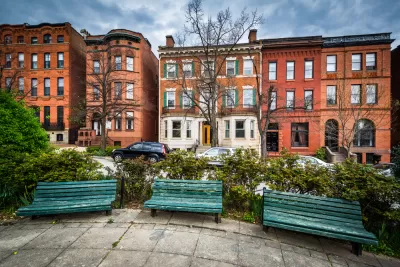
In 1968, Congress passed the Fair Housing Act (FHA), prohibiting discrimination in the housing market in a significant reversal from federal and local policies of the past. More recently, in 2015, the U.S. Supreme Court clarified the scope of the law, ruling that the FHA also applies to policies that have a disparate impact on members of protected classes. Although illegal, discrimination and segregation persist half a century later, along with their resulting long-term economic impacts.
In recognition of this important anniversary, Penn IUR Faculty Fellows Vincent Reina and Susan Wachter guest co-edited Cityscape Volume 21, Number 1 entitled “Symposium: The Fair Housing Act at 50.” The series of articles gathered for this special publication cumulatively show the importance of the FHA and the many challenges that remain to truly achieve its original mandate. In addition to the Cityscape issue itself, Wachter and Reina also commissioned ”Race and Policy: 50 Years After the Fair Housing Act,” a series of commentaries, authored by prominent scholars and housing experts, in response to the specific articles included in the issue. The commentaries aim to further explore and debate this important topic.
FULL STORY: The Fair Housing Act at 50

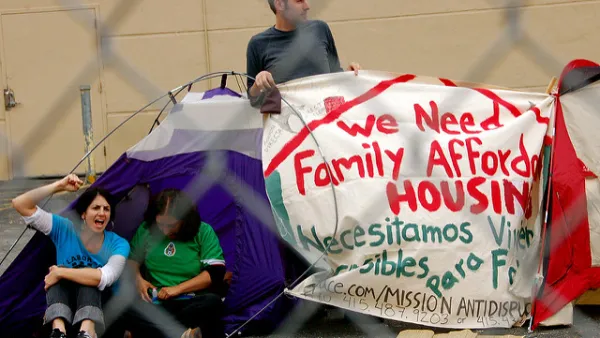
Lessons in Affirmatively Furthering Fair Housing
With HUD seeking comments on a revamped version of the Affirmatively Furthering fair Housing Rule, now is a good time to seek lessons from the one state to attempt to implement the federal rule at the state level.
HUD Rule Change Allows Landlords to Use Screening Services Despite Discrimination Concerns
A revised U.S. Department of Housing and Urban Development rule makes it more difficult to submit claims of housing discrimination when a landlord's decisions is influenced by a third-party tenant screening service.
Trump Administration Proposal Would Eliminate Fair Housing Protections
The Trump administration last week published its latest attempt to undermine a fair housing rule adopted during the Obama administration.

The state-sanctioned urbicide of Austin
People don’t kill cities. Freeways do.

US to reduce Colorado River water deliveries to Mexico
A new Colorado Treaty amendment reduces Mexico’s Colorado River water allocation by 250,000 acre feet.

New Jersey’s second-largest city bans standalone data centers
Jersey City will continue to allow co-location facilities, such as those meant for research institutions that store their own data.

Amtrak not solely to blame for New Jersey commuter rail's unreliability, report finds
A new study from the Garden State Initiative found that NJ Transit’s budget grew 20% across a 4 year period, but reliability declined significantly over the same period.

EPA erases limits on planet-warming pollution from power plants
Under Monday’s plan, power plants would still have some limits on how much mercury, arsenic and other contaminants they can emit.

Phoenix announces new on-demand transit service, more frequent RAPID buses
Both new services will launch in October, and are part of Phoenix's Project Effective Access Solutions for Easing Congestion.

FREE Course: Walkable City 1: Why Walkability?
After describing his path towards focusing on walkability as the essence of good planning, Jeff Speck marches through his five principal reasons for making more walkable places.
Reinventing Malls: Planning Alchemy—Turning Gray Fields Into Gold
The course focuses on the opportunities and imperatives that shape reinvention of mall sites.

Eagle County Government
Harvard University Graduate School of Design
Nashville Planning Department
The Architects Foundation
University of Cincinnati Online
The Pocatello Development Authority
The Urban Renewal Agency of the City of Pocatello
Journal of the American Planning Association