The Brookings Institution's Bruce Katz argues that now is right time for Connecticut to re-evaluate and reform their destructive its wasteful growth trends.


"In Hartford, for example, growth and development issues emerged as never before in the late 1990s as the region gobbled up some 5,800 more acres of rural and undeveloped land between 1990 and 2000, according to Census Bureau data analyzed by the Capital Region Council of Governments. Coming at a moment of negligible population growth in the area, such inefficient land consumption has prompted serious dialogue across the Hartford region (and in this newspaper) over how to protect the area's traditional town centers and leafy quality of life.But when the economy slows and tax collections sag, another rationale for reform comes to the fore: the significant costs to state and local government of providing new highways, new schools and new water pipes to ever more far-flung subdivisions."
Thanks to ArchNewsNow.com
Read the full story: The Smart Money Is On Smart Growth


Planetizen Federal Action Tracker
A weekly monitor of how Trump’s orders and actions are impacting planners and planning in America.

Colorado’s Largest Data Center Could Rise Next to Homes — Without a Public Hearing
The proposed campus would consume 11 times the power of Denver International Airport; as it has across the country, opposition mounts.

Amtrak, CN end decades-long dispute with eight-year agreement
The new operating agreement establishes an updated framework for the companies to work together, including processes to resolve disputes.

'This is going to be painful:’ Virginia stares down $1.7 billion funding gap for highway maintenance
The state may address the deficit by shifting $290 million from its construction budget to maintenance projects.
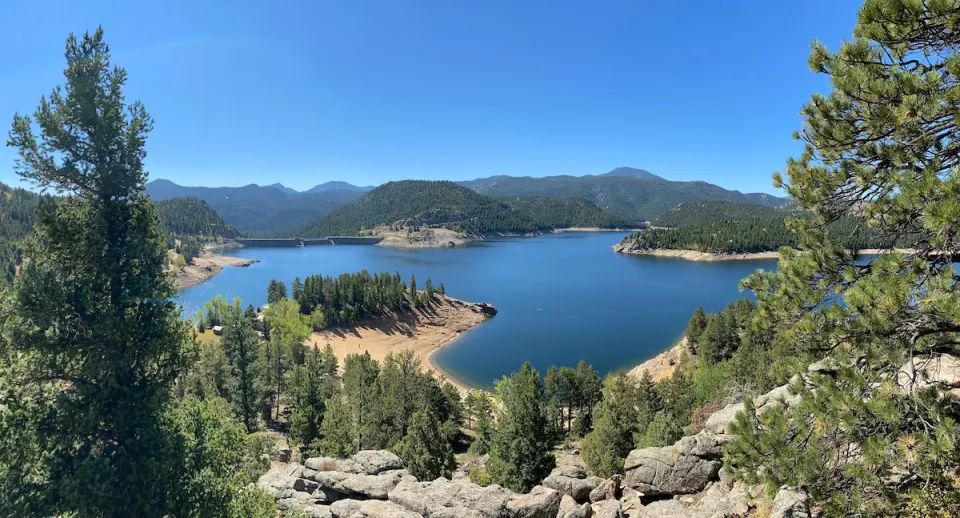
Judges permit Denver to divert 77,000 acre feet from the Colorado River for reservoir expansion
Overuse and climate change have caused the Colorado River’s water levels to plummet.

Amtrak, CN end decades-long dispute with eight-year agreement
The new operating agreement establishes an updated framework for the companies to work together, including processes to resolve disputes.

FREE Course: Walkable City 1: Why Walkability?
After describing his path towards focusing on walkability as the essence of good planning, Jeff Speck marches through his five principal reasons for making more walkable places.
Reinventing Malls: Planning Alchemy—Turning Gray Fields Into Gold
The course focuses on the opportunities and imperatives that shape reinvention of mall sites.

KFH Group Inc.
Greater Baltimore Committee
Eagle County Government
The Architects Foundation
University of Cincinnati Online
The Pocatello Development Authority
The Urban Renewal Agency of the City of Pocatello