The city’s "7-acre rule" limited liquor licenses to restaurants in a commercial zone, but a repeal of the ordinance last year means that restaurants across the city can now apply to serve liquor.


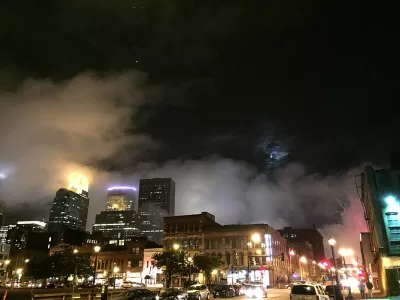
Many more Minneapolis restaurants can apply for liquor licenses after a change in the city’s charter. Previously, only restaurants located within a seven-acre commercially zoned area could serve liquor, which limited other establishments to offering only wine and beer to patrons.
Last November, 72 percent of voters supported repeal of the spacing restrictions. City officials report that so far 10 restaurants have applied for licenses and another 60 are eligible. They expect the number of license applications to increase in the spring when liquor licenses are up for renewal.
The change could encourage more restaurants to open in residential parts of the city. Past concerns from residents about liquor licenses have focused mainly on noise and parking, and city leaders want to facilitate community forums to address these issues.
FULL STORY: Liquor: Coming soon to a Minneapolis neighborhood restaurant near you

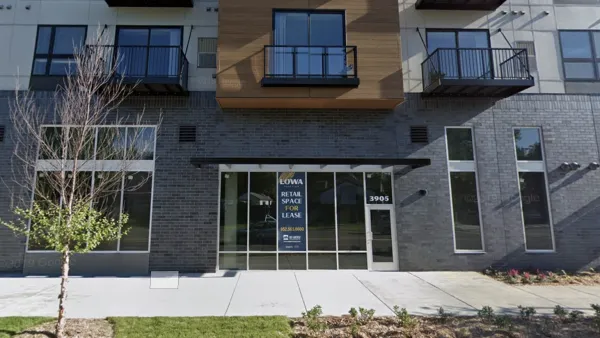
Developers Want to Skip Ground-Floor Retail Requirements
Minneapolis developers are agitating against the requirements of mixed-use zoning, saying that it's impossible to find a good tenant for ground floor retail these days.

YIMBYs Leading the Pro-Density Fight
Minneapolis has become an inspiration to other cities about how to successfully challenge NIMBY factions that oppose density and zoning reform.

Twin Cities ADU Construction Slow, but Expected
Easing ADU regulations has led to some new construction in the Twin Cities, but the additional units have made a small dent in the area’s affordable housing problem.

Planetizen Federal Action Tracker
A weekly monitor of how Trump’s orders and actions are impacting planners and planning in America.

The state-sanctioned urbicide of Austin
People don’t kill cities. Freeways do.

US to reduce Colorado River water deliveries to Mexico
A new Colorado Treaty amendment reduces Mexico’s Colorado River water allocation by 250,000 acre feet.

Mamdani overhauls NYC's Vision Zero plan with 100 new policy goals
The overhaul aims to reduce traffic deaths and make streets safer for pedestrians, cyclists and drivers through lower speed limits, new safety infrastructure and more.

Amtrak not solely to blame for New Jersey commuter rail's unreliability, report finds
A new study from the Garden State Initiative found that NJ Transit’s budget grew 20% across a 4 year period, but reliability declined significantly over the same period.

EPA erases limits on planet-warming pollution from power plants
Under Monday’s plan, power plants would still have some limits on how much mercury, arsenic and other contaminants they can emit.

FREE Course: Walkable City 1: Why Walkability?
After describing his path towards focusing on walkability as the essence of good planning, Jeff Speck marches through his five principal reasons for making more walkable places.
Reinventing Malls: Planning Alchemy—Turning Gray Fields Into Gold
The course focuses on the opportunities and imperatives that shape reinvention of mall sites.


Eagle County Government
Harvard University Graduate School of Design
Nashville Planning Department
The Architects Foundation
University of Cincinnati Online
The Pocatello Development Authority
The Urban Renewal Agency of the City of Pocatello
Journal of the American Planning Association