Due to various market and industry factors, developers are not planning to start many new construction projects in 2019.


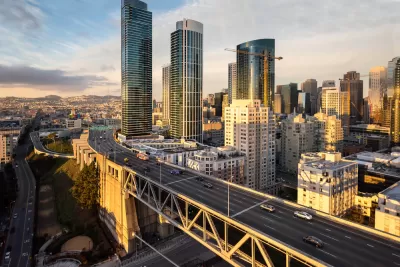
Analysts say home building will slow down considerably in San Francisco in 2019 because of rising construction costs, fees, and interest rates, along with a downturn in the market, reports J.K. Dineen. Affordable housing requirements for new developments have also increased in recent years.
As a result, developers have much less incentive to take on new construction projects. In many cases, they are looking to unload projects that have been approved but where construction has not started.
New units that have been under construction will come on the market this year, and the city anticipates 4,700 units will be completed. The majority of these will be rental units, with significantly fewer condos, only about 300, hitting the market as compared to past years, notes Dineen. In addition, buyers appear most interested in high-end, luxury buildings and neighborhoods where there is typically less development.
FULL STORY: SF’s boom in home building to slow in 2019

Infrastructure vs. Housing
Do shortages of infrastructure justify restrictive zoning?
Tech Money Dominates S.F. Housing Market
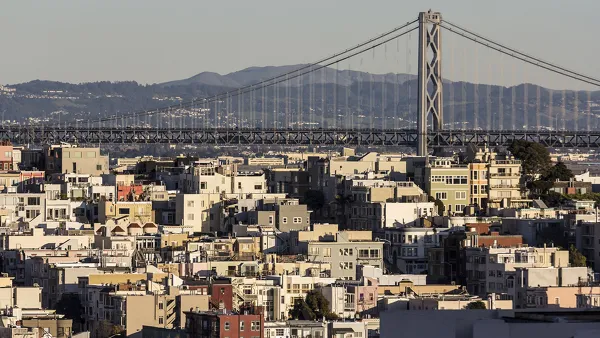
The tech industry has created massive wealth, and the impacts on the real estate market are most dramatic in San Francisco.
S.F. Law Would Give Nonprofits Dibs on Apartment Buildings for Sale
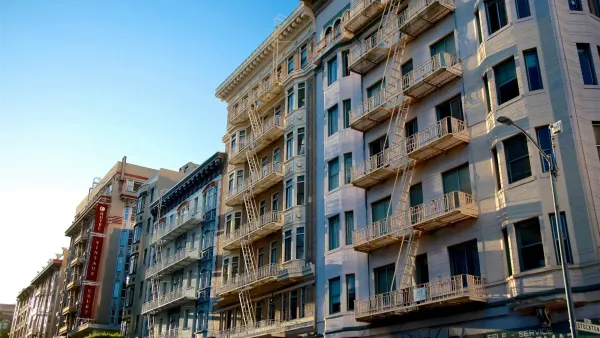
The legislation would make nonprofit organizations more competitive in the real estate market by letting them get ahead of speculators.

Planetizen Federal Action Tracker
A weekly monitor of how Trump’s orders and actions are impacting planners and planning in America.

The state-sanctioned urbicide of Austin
People don’t kill cities. Freeways do.

US to reduce Colorado River water deliveries to Mexico
A new Colorado Treaty amendment reduces Mexico’s Colorado River water allocation by 250,000 acre feet.

Mamdani overhauls NYC's Vision Zero plan with 100 new policy goals
The overhaul aims to reduce traffic deaths and make streets safer for pedestrians, cyclists and drivers through lower speed limits, new safety infrastructure and more.

Amtrak not solely to blame for New Jersey commuter rail's unreliability, report finds
A new study from the Garden State Initiative found that NJ Transit’s budget grew 20% across a 4 year period, but reliability declined significantly over the same period.

EPA erases limits on planet-warming pollution from power plants
Under Monday’s plan, power plants would still have some limits on how much mercury, arsenic and other contaminants they can emit.

FREE Course: Walkable City 1: Why Walkability?
After describing his path towards focusing on walkability as the essence of good planning, Jeff Speck marches through his five principal reasons for making more walkable places.
Reinventing Malls: Planning Alchemy—Turning Gray Fields Into Gold
The course focuses on the opportunities and imperatives that shape reinvention of mall sites.

Eagle County Government
Harvard University Graduate School of Design
Nashville Planning Department
The Architects Foundation
University of Cincinnati Online
The Pocatello Development Authority
The Urban Renewal Agency of the City of Pocatello
Journal of the American Planning Association