The removal of human bodies is heavily regulated in New York City, and can only be done by an archaeologist.


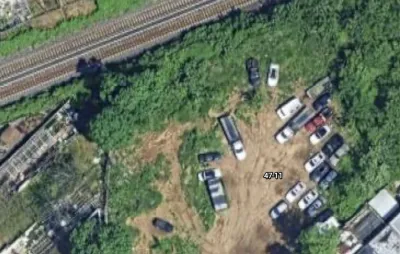
A parking lot in Queens that was built over an 18th century burial site for free Black people is now up for sale for $10 million — but strict rules around how the new owner can remove bodies from the site may complicate the transaction.
New York’s Unknown Burial Site Protection Act states that anyone other than an archaeologist, hired at the property owners expense, who "intentionally removes human remains or funerary objects from a burial site” may face misdemeanor charges, Greg B. Smith writes for The City Reporter.
“‘While the law does not explicitly prohibit the use of the property, any activity that disturbs a grave would violate the law,” Christina Reith, the state archaeologist, said through a spokesperson,” Smith reports.
The law also allows any cultural groups connected to the site — in this case, the St. Mark African Methodist Episcopal Church, which was located near the burial site until moving a mile away in the 1930s — to oversee the removal of the remains via a “cultural monitor.”
Read the full story: Paved-Over Historic Black Cemetery Is Now Up For Sale, Lawyer Says


NYC releases new renderings for $5.5 billion Interborough Express
The slated stations will have a modern look, enhanced lighting and improved audio announcements.
NYC needs 700,000 new homes to resolve housing crisis, report states
The report gave every neighborhood a non-binding development target.

Historic Queens park is getting a $120M upgrade
The borough's largest park will undergo significant upgrades for accessibility, flood mitigation and historic preservation.

Planetizen Federal Action Tracker
A weekly monitor of how Trump’s orders and actions are impacting planners and planning in America.

Data reveals that NYC’s bet on congestion pricing has paid off
After almost two years of the program, reports show positive impacts on traffic and air quality and no disruptions to parking.

Denver is solving homelessness. Why aren't the rest of us?
Since 2023, Denver's street homeless population has decreased by 64%, proving that effective tools exist to support those in need of housing.

Chicago's streets are littered with dead birds. Will the city protect them?
Chicago sits in the route of migratory birds traveling south. Its abundance of glass buildings and bright lights make it particularly disorienting for the animals.

CA city to shut down airport, transform it into utopian park
The western side of the 200-acre park will feature a dog park, nature education center and arboretum.

NYC to vote on supporting outdoor dining, streamlining bus and bike lane creation
The city has five proposed amendments to its municipal constitution on the ballot this November.

FREE Course: Walkable City 1: Why Walkability?
After describing his path towards focusing on walkability as the essence of good planning, Jeff Speck marches through his five principal reasons for making more walkable places.
Reinventing Malls: Planning Alchemy—Turning Gray Fields Into Gold
The course focuses on the opportunities and imperatives that shape reinvention of mall sites.

City of Rosemead
Rutgers University, Edward J. Bloustein School of Planning and Public Policy
One Hundred Miles
The Architects Foundation
University of Cincinnati Online
Montrose County
Northern Illinois Transit Authority (NITA)
The Pocatello Development Authority