The county processed over 400,000 metric tons of EV battery waste last year.


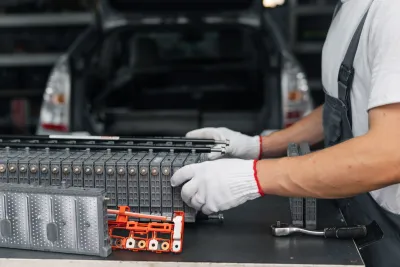
As electric cars become more popular, China, a major destination for used EV batteries, is seeing a sharp rise in EV battery waste that threatens to overwhelm its recycling system.
As Derek Harrison explains in Inside Climate News, "China began building a recycling system early and has created enough nominal capacity to handle the emerging wave. But much of the country’s used-battery supply continues to flow through uncertified recyclers, which poses serious environmental and safety risks linked to contamination and improper disposal." Now, estimates project that China could process over 22 million metric tons of EV battery waste by 2040.
Informal recyclers undercut certified operators, often reusing battery components and selling them for reuse, putting new users at risk. According to Harrison, "China could significantly improve those outcomes by requiring automakers to take greater responsibility for battery recycling, imposing stricter controls on informal recyclers, and offering incentives to consumers and certified recyclers."
FULL STORY: China’s EV Problem: What Happens When Millions of Batteries Die?

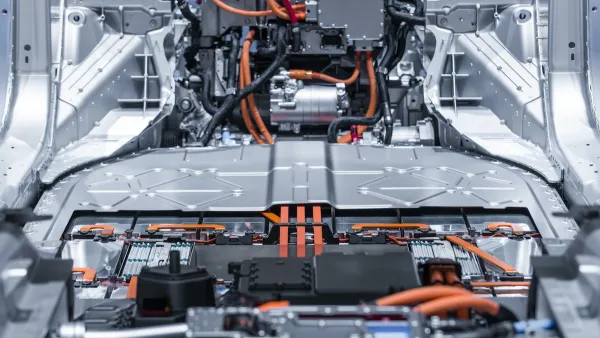
Industry Leaders: Automakers Must Cut EV Battery Weight in Half
Experts call for lighter batteries, diversification of fuels, and a shift away from private cars and towrad public transit.
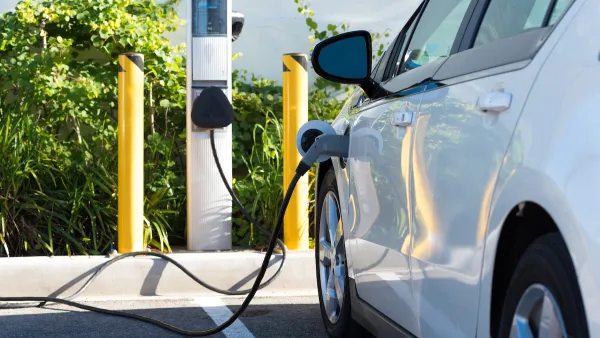
EV Manufacturers Looking to Lighten the Load
Carmakers are working on lighter-weight components that make cars safer and more efficient.
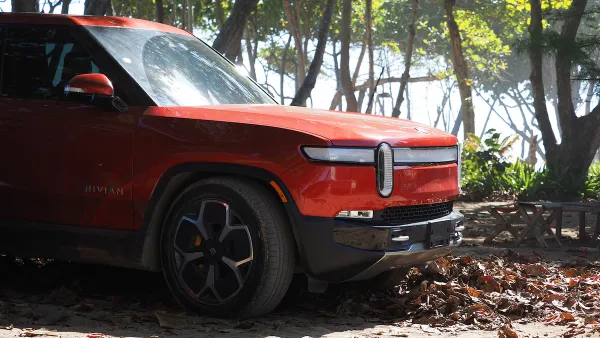
New EV Credit Rules: What You Need to Know
Just 13 electric car models are now eligible for federal tax credits.

Planetizen Federal Action Tracker
A weekly monitor of how Trump’s orders and actions are impacting planners and planning in America.

The state-sanctioned urbicide of Austin
People don’t kill cities. Freeways do.

US to reduce Colorado River water deliveries to Mexico
A new Colorado Treaty amendment reduces Mexico’s Colorado River water allocation by 250,000 acre feet.

Amtrak not solely to blame for New Jersey commuter rail's unreliability, report finds
A new study from the Garden State initiative found that NJ Transit’s budget grew 20% across a 4 year period, but reliability declined significantly over the same period.

EPA erases limits on planet-warming pollution from power plants
Under Monday’s plan, power plants would still have some limits on how much mercury, arsenic and other contaminants they can emit.

Phoenix announces new on-demand transit service, more frequent RAPID buses
Both new services will launch in October, and are part of Phoenix's Project Effective Access Solutions for Easing Congestion.

FREE Course: Walkable City 1: Why Walkability?
After describing his path towards focusing on walkability as the essence of good planning, Jeff Speck marches through his five principal reasons for making more walkable places.
Reinventing Malls: Planning Alchemy—Turning Gray Fields Into Gold
The course focuses on the opportunities and imperatives that shape reinvention of mall sites.

Eagle County Government
Harvard University Graduate School of Design
Nashville Planning Department
The Architects Foundation
University of Cincinnati Online
The Pocatello Development Authority
The Urban Renewal Agency of the City of Pocatello
Journal of the American Planning Association