Years of drought, water diversion and climate change have caused Western lakes to shrink dramatically.


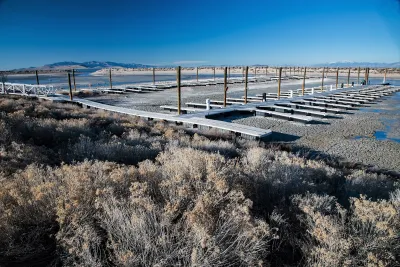
The growth of data centers geographically mirrors some of the nation's most water-stressed areas, writes Amanda Greenwood in Newsweek.
Six major bodies of water in the U.S. West are facing severe drought and historically low water levels. Utah's Great Salt Lake, Lake Mead and Lake Powell on the Colorado River and California's Mono Lake are all Western water bodies experiencing significant declines – and that could serve as bellwethers for the rest of the region.
"The simultaneous expansion of AI-related data centers has created a new challenge for policymakers: How to support the technologies of the future without placing additional strain on already-stressed water resources." While demand from data centers is still a relatively small part of overall water consumption, a large facility can strain small local water systems and make it harder for them to reliably deliver water to their clients.
Read the full story: America’s Lakes Are Shrinking. Data Centers Are Being Built Nearby

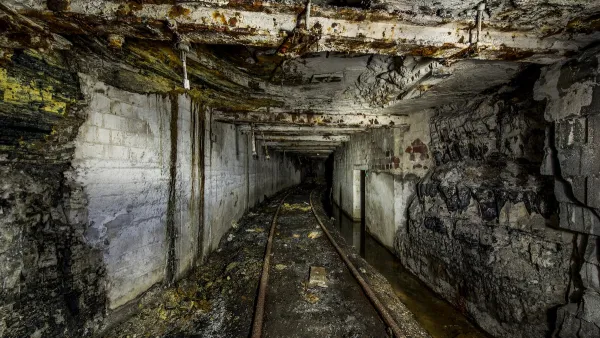
Pennsylvania is building data centers in abandoned mines
Housing data centers in mines provides an alternative to destroying local forests and may spare residents from data centers’ noise and air pollution.

New bill requires California data center developers to create water scarcity plans
Gov. Gavin Newsom recently signed 7 bills intended to give California communities more information about the impact of proposed data centers.
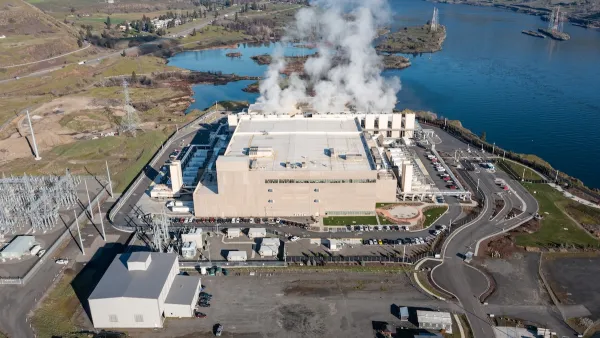
Data centers are consuming nearly 25% of Oregon’s power
The state has 111 data centers, with 32 more either planned or under construction.

Planetizen Federal Action Tracker
A weekly monitor of how Trump’s orders and actions are impacting planners and planning in America.

Data reveals that NYC’s bet on congestion pricing has paid off
After almost two years of the program, reports show positive impacts on traffic and air quality and no disruptions to parking.

HUD modernizes 50-year-old manufactured housing framework
The Next Generation Manufactured Housing Action Plan establishes new energy-efficiency standards for manufactured homes, and new guidelines for anchoring them.

New Mexico spent millions drafting climate goals. Data centers are unraveling them
Three data centers in New Mexico and El Paso will release more emissions yearly than 2 million cars in the same timeframe.

This Ohio town is using AI to speed up transit analysis
The Greater Dayton Regional Transit Authority’s new AI tool correctly determined riders’ preferred ways to reach key commuter routes.

Yet again, Seattle’s density zoning update is hit with delays
The city must now examine the ‘maximum possible development’ under a future zoning scenario, rather than the ‘maximum likely development.’

FREE Course: Walkable City 1: Why Walkability?
After describing his path towards focusing on walkability as the essence of good planning, Jeff Speck marches through his five principal reasons for making more walkable places.
Reinventing Malls: Planning Alchemy—Turning Gray Fields Into Gold
The course focuses on the opportunities and imperatives that shape reinvention of mall sites.

One Hundred Miles
County of Mendocino
planning NEXT
The Architects Foundation
University of Cincinnati Online
Montrose County
Northern Illinois Transit Authority (NITA)
The Pocatello Development Authority