The state's working age population declined by over 25,000 people between 2020 and 2024.


A new report from the Wisconsin Counties Association updates the state's expected housing needs, dramatically reducing the number of new units needed by the end of the decade. As Joe Schulz reports for Wisconsin Public Radio, a 2023 estimate by Forward Analytics, the WCA's research arm, projected that the state would need 140,000 new homes to meet demand.
The new report revises that number down to 84,000 due to a projected decline in residents aged 25 to 64, which is expected to decrease by roughly 200,000 by 2030. "That age group already declined by more than 25,000 from 2020 through 2024, and the trend is expected to accelerate through the end of the decade as more baby boomers age out of the workforce, the report said."
Analyst Jacob Anderson warns that the change isn't necessarily a good thing and signals "greater demographic pressures and challenges" as the state's population ages, and that building more housing than is strictly necessary is one way to reverse the decline in working-age residents. "The report also points to signs of 'pent-up demand' among younger adults in Wisconsin, noting around 13 percent of the state’s 25- to 34-year-olds live with their parents or in-laws."
FULL STORY: Wisconsin’s Population Changes Reduce Projected Housing Need


Americans are Fleeing Blue States, Even When Politics Misalign. The Culprit? Housing Affordability.
Will the blue state starter home ever return?
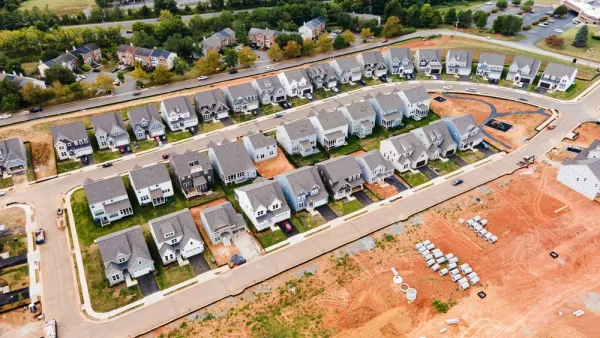
A Big Picture of the US Housing Market
A new report highlights the factors driving up housing costs around the country.
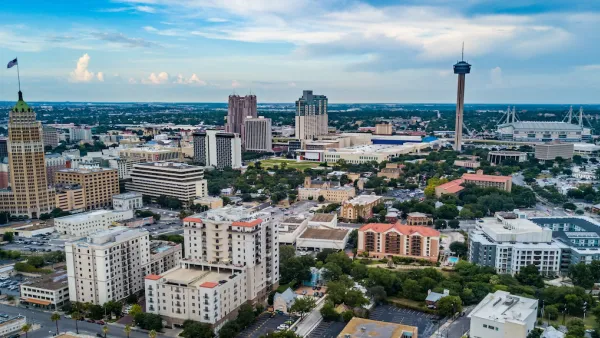
Commentary: San Antonio Needs ‘Thoughtful Reforms’ to Improve Affordability
The growing Texas city needs a new approach to meet its residents’ housing and mobility needs.

The state-sanctioned urbicide of Austin
People don’t kill cities. Freeways do.

US to reduce Colorado River water deliveries to Mexico
A new Colorado Treaty amendment reduces Mexico’s Colorado River water allocation by 250,000 acre feet.

New Jersey’s second-largest city bans standalone data centers
Jersey City will continue to allow co-location facilities, such as those meant for research institutions that store their own data.

Amtrak not solely to blame for New Jersey commuter rail's unreliability, report finds
A new study from the Garden State Initiative found that NJ Transit’s budget grew 20% across a 4 year period, but reliability declined significantly over the same period.

EPA erases limits on planet-warming pollution from power plants
Under Monday’s plan, power plants would still have some limits on how much mercury, arsenic and other contaminants they can emit.

Phoenix announces new on-demand transit service, more frequent RAPID buses
Both new services will launch in October, and are part of Phoenix's Project Effective Access Solutions for Easing Congestion.

FREE Course: Walkable City 1: Why Walkability?
After describing his path towards focusing on walkability as the essence of good planning, Jeff Speck marches through his five principal reasons for making more walkable places.
Reinventing Malls: Planning Alchemy—Turning Gray Fields Into Gold
The course focuses on the opportunities and imperatives that shape reinvention of mall sites.

Eagle County Government
Harvard University Graduate School of Design
Nashville Planning Department
The Architects Foundation
University of Cincinnati Online
The Pocatello Development Authority
The Urban Renewal Agency of the City of Pocatello
Journal of the American Planning Association