With scarce urban land, transforming overlooked and underutilized urban pockets into parks and green space it critical to meeting growing community, climate, and equity needs.


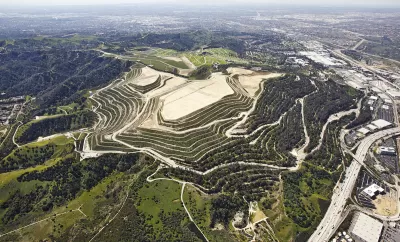
Finding land for new parks is increasingly difficult in dense, built out regions like Los Angeles County, where available space is scarce and costly even as the need for recreation, cooling, and community gathering continues to grow. Climate change and longstanding inequities in access to green space have made this challenge more urgent. In response, the focus is shifting from seeking vacant land to rethinking how existing, often overlooked or underutilized sites can be transformed into meaningful public spaces, I wrote about recently on Open Space, the official blog of the National Recreation and Park Association.
A wide range of land types present opportunities for this transformation. Former landfills, airports, oil extraction sites, and gas stations — once seen as liabilities — can be reclaimed through remediation and thoughtful planning to serve community needs. Large-scale examples like the Puente Hills Landfill and the planned conversion of Santa Monica Airport highlight the potential for significant park development, while smaller sites such as former gas stations can collectively provide impactful neighborhood-level green space. Flood control channels and utility corridors are also being reimagined as multi-benefit greenways, supporting recreation, habitat, and mobility.
At the same time, everyday public spaces such as streets and sidewalks offer immediate opportunities to expand greenery through tree planting and depaving efforts. Initiatives like the County's Community Forest Management Plan and Urban Natureways demonstrate how coordinated, long-term strategies can integrate green space into the urban fabric. Ultimately, this evolving approach reflects a broader shift in how land is valued — recognizing that even highly developed environments contain opportunities to restore land, expand access to nature, improve public health, and build more resilient and equitable communities.
Read the full piece, below.
FULL STORY: Reclaiming Space for Community, Recreation and Respite

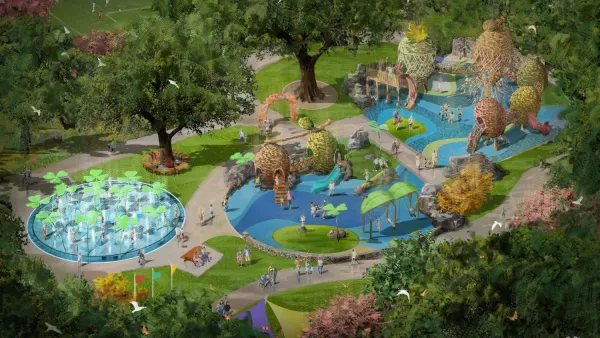
Disney Imagineers Join Effort to Rebuild Altadena’s Charles White Park After Wildfire
Disney is contributing $5 million and the talents of its Imagineers to help Los Angeles County rebuild Charles White Park and other fire-damaged Altadena parks.
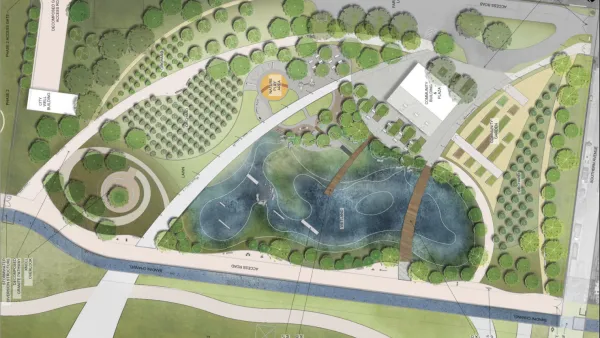
How South Gate, California Expanded its Park System Against the Odds
With limited space and funding, South Gate opened three new parks this year through community-driven design, creative partnerships, and persistent public leadership.
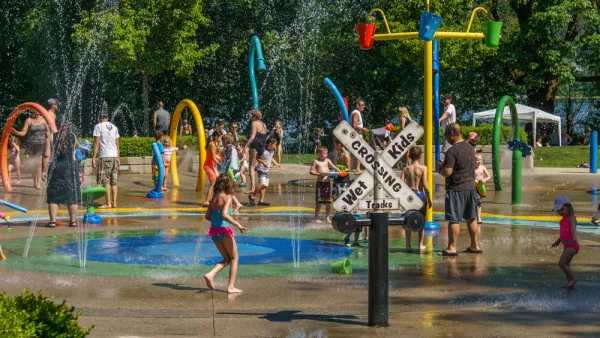
In a Warming World, Water-Based Recreation Isn’t a Luxury — It’s a Necessity
Increasing access to pools, splash pads, and lakes is not just about fun — it is about health, equity, and resilience in a warming world.

Planetizen Federal Action Tracker
A weekly monitor of how Trump’s orders and actions are impacting planners and planning in America.

The state-sanctioned urbicide of Austin
People don’t kill cities. Freeways do.

US to reduce Colorado River water deliveries to Mexico
A new Colorado Treaty amendment reduces Mexico’s Colorado River water allocation by 250,000 acre feet.

Baltimore to break ground on $50 million Transit Priority Project
The project will bring faster bus trips, safer streets and better bike connections to Baltimore.

Airbnb launches $250 million 'last-dollar financing' housing accelerator, makes first investment in Austin
The company will put $6.4 million towards affordable housing development in Texas’ capital.

Guerilla urbanists are building DIY bus stop benches in Chicago
A before-and-after of one of the bus stops with a new bench. The new benches are not officially sanctioned or permitted, but the residents who placed them hope they will be the start of a network of DIY benches across the city.

FREE Course: Walkable City 1: Why Walkability?
After describing his path towards focusing on walkability as the essence of good planning, Jeff Speck marches through his five principal reasons for making more walkable places.
Reinventing Malls: Planning Alchemy—Turning Gray Fields Into Gold
The course focuses on the opportunities and imperatives that shape reinvention of mall sites.

Eagle County Government
Harvard University Graduate School of Design
Nashville Planning Department
The Architects Foundation
University of Cincinnati Online
The Pocatello Development Authority
The Urban Renewal Agency of the City of Pocatello
Journal of the American Planning Association