The walking, biking, and transit corridor set a goal to create 5,600 affordable housing units in the area by 2030.


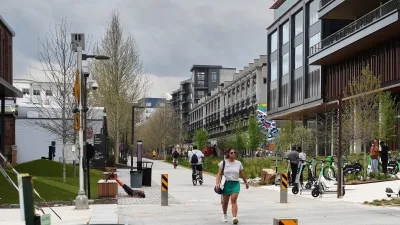
Atlanta Beltline Inc. announced it has reached 79% of its goal to create or preserve 5,600 units of affordable housing in the area along the biking and walking trail by 2030.
According to an article in Rough Draft Atlanta, "Since 2018, the Beltline has more than doubled the number of completed affordable housing units along the corridor, with nearly three-fourths of these reserved for people earning 60% or less of the Area Median Income (AMI)."
To prevent the displacement of current residents, AMI's Legacy Resident Retention Program covers the cost of property tax increases for long-term residents until 2030. "In 2025, 276 homeowners in neighborhood stabilization areas on Atlanta’s Westside and Southside received tax relief through the program, according to ABI."
As the article explains, "The Beltline also offers residents guidance on filing homestead exemptions, appealing property tax assessments, managing finances, and buying a home for the first time."
FULL STORY: Beltline reaches 79% of its affordable housing goal

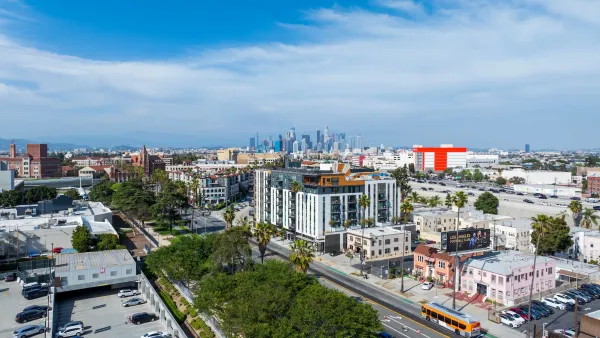
LA delays state housing mandate with 'low-rise ordinance'
The new ordinance allows the city to delay implementing SB 79, a state law requiring more density near transit.
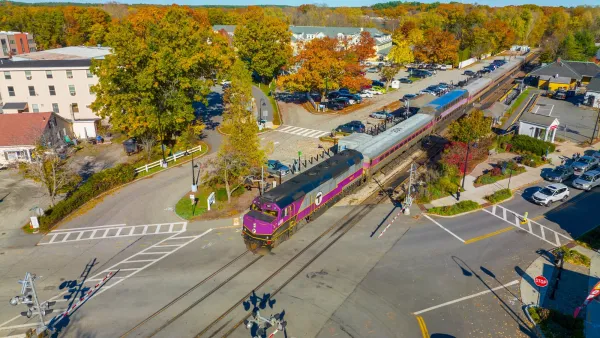
Report: MBTA Communities Act has Created Just 7,000 New Housing Units
The Massachusetts law requires cities to rezone appropriate neighborhoods for denser housing.
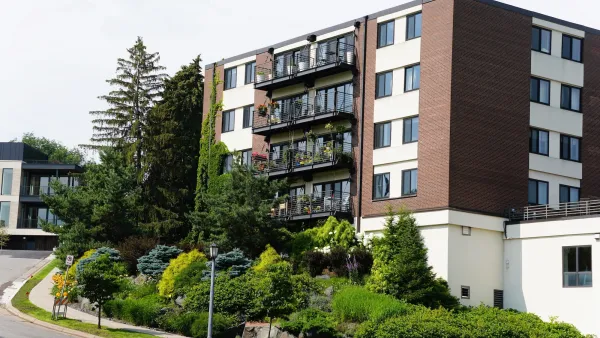
How policy changes helped Minneapolis beat rent inflation
Despite a boom in population, Minneapolis has managed to keep rents relatively steady through a combination of legislative action and private investment.

Planetizen Federal Action Tracker
A weekly monitor of how Trump’s orders and actions are impacting planners and planning in America.

The state-sanctioned urbicide of Austin
People don’t kill cities. Freeways do.

US to reduce Colorado River water deliveries to Mexico
A new Colorado Treaty amendment reduces Mexico’s Colorado River water allocation by 250,000 acre feet.

5 New England states march closer to 800 megawatt wind energy project
Securing federal approval for the project may be complicated under the Trump administration, which has historically been hostile towards domestic wind power.

Baltimore to break ground on $50 million Transit Priority Project
The project will bring faster bus trips, safer streets and better bike connections to Baltimore.

Airbnb launches $250 million 'last-dollar financing' housing accelerator, makes first investment in Austin
The company will put $6.4 million towards affordable housing development in Texas’ capital.

FREE Course: Walkable City 1: Why Walkability?
After describing his path towards focusing on walkability as the essence of good planning, Jeff Speck marches through his five principal reasons for making more walkable places.
Reinventing Malls: Planning Alchemy—Turning Gray Fields Into Gold
The course focuses on the opportunities and imperatives that shape reinvention of mall sites.

Eagle County Government
Harvard University Graduate School of Design
Nashville Planning Department
The Architects Foundation
University of Cincinnati Online
The Pocatello Development Authority
The Urban Renewal Agency of the City of Pocatello
Journal of the American Planning Association