New infrastructure in neighborhoods that have borne the brunt of seasonal floods is making them safer — and more expensive.


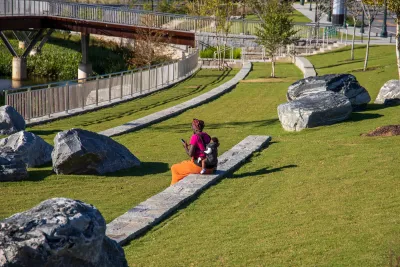
Residents in some of Atlanta’s historically Black neighborhoods say they are being displaced by rising costs driven in part by new city efforts to protect these areas from flooding.
As Adam Mahoney explains in an article for Capital B, “A Capital B analysis of ZIP‑code‑level data shows that in three historically Black ZIP codes, flood‑fix projects have produced a “triple burden”: a loss of Black residents, soaring living costs, and aggressive buyouts and use of eminent domain.”
According to the analysis, one in five Black residents in these zip codes have left since flood control projects began. Some are working to create community land trusts and other mechanisms that would prevent displacement and bring flood mitigation to the areas that need it most.
As environmental scientist Darryl Haddock explains, infrastructure in Atlanta is tied to race and class. “The water infrastructure went first to white business districts and surrounding white areas before going to where Black people traditionally lived in low‑lying, swampy areas.”
Now, efforts to improve that infrastructure must address historic inequities or risk reinforcing them, Haddock says. When the city supported the construction of Centennial Yards in an area formerly known as the Gulch, there was no money earmarked for mitigating the stormwater that would subsequently flow into nearby residential neighborhoods.
FULL STORY: The Black Mecca’s Climate Plan Is Costing Black Atlanta Residents Their Homes

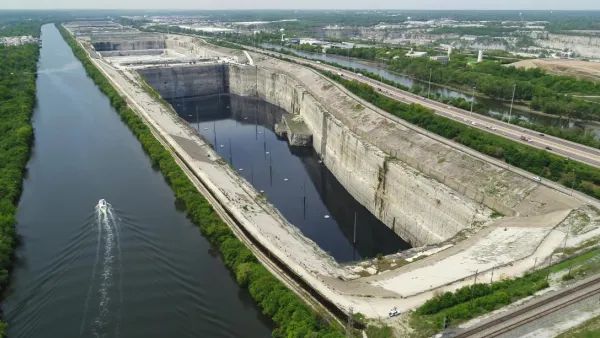
Chicago's underground flood control system is almost full
The system known as Deep Tunnel has never filled much more than halfway, but the cumulative effect of recent rains is putting suburban communities at risk of flooding.
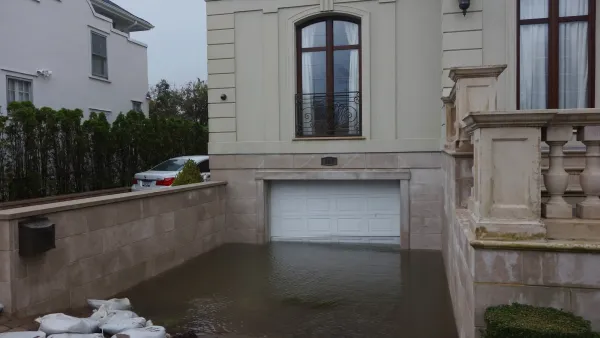
Over 500 NYC ‘Blue Zones’ at Risk of More Destructive Floods
High-risk flood zones cover roughly 20% of the city’s land.
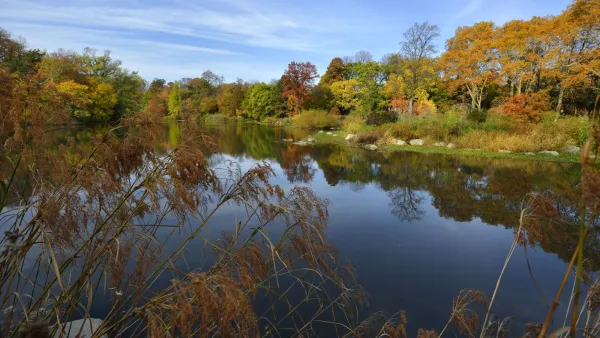
NYC’s Prospect Park is Getting a $68 Million ‘Bluebelt’
The city plans to upgrade the park’s drainage infrastructure to channel more stormwater into its lake and other drainage ponds and reduce flooding risk.

The state-sanctioned urbicide of Austin
People don’t kill cities. Freeways do.

US to reduce Colorado River water deliveries to Mexico
A new Colorado Treaty amendment reduces Mexico’s Colorado River water allocation by 250,000 acre feet.

New Jersey’s second-largest city bans standalone data centers
Jersey City will continue to allow co-location facilities, such as those meant for research institutions that store their own data.

Amtrak not solely to blame for New Jersey commuter rail's unreliability, report finds
A new study from the Garden State Initiative found that NJ Transit’s budget grew 20% across a 4 year period, but reliability declined significantly over the same period.

EPA erases limits on planet-warming pollution from power plants
Under Monday’s plan, power plants would still have some limits on how much mercury, arsenic and other contaminants they can emit.

Phoenix announces new on-demand transit service, more frequent RAPID buses
Both new services will launch in October, and are part of Phoenix's Project Effective Access Solutions for Easing Congestion.

FREE Course: Walkable City 1: Why Walkability?
After describing his path towards focusing on walkability as the essence of good planning, Jeff Speck marches through his five principal reasons for making more walkable places.
Reinventing Malls: Planning Alchemy—Turning Gray Fields Into Gold
The course focuses on the opportunities and imperatives that shape reinvention of mall sites.

Eagle County Government
Harvard University Graduate School of Design
Nashville Planning Department
The Architects Foundation
University of Cincinnati Online
The Pocatello Development Authority
The Urban Renewal Agency of the City of Pocatello
Journal of the American Planning Association