TotalEnergies will forfeit its lease on two proposed wind energy projects off the coasts of New York and North Carolina.


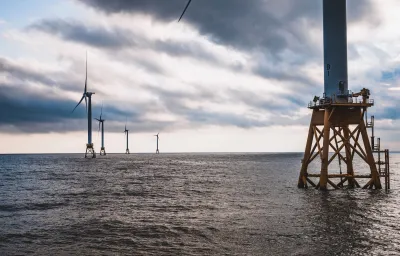
The Trump administration will transfer roughly $1 billion in taxpayer dollars to a French energy company as part of a deal to cancel two planned offshore wind farms on the East Coast, reports Alex Brown in the Louisiana Illuminator.
“The French firm TotalEnergies will forfeit its leases for projects off the coasts of New York and North Carolina, with the United States paying $928 million to reimburse what the company initially spent on the leases.” The deal requires the company to reinvest the money into oil and gas projects, including one in Texas.
The administration has made multiple efforts to stop wind energy and other renewable projects, calling them “unreliable and costly.” As Brown notes, “Late last year, the Trump administration invoked classified national security threats to stop work on five wind farms that were under construction, but courts have ruled that the projects can proceed.”
FULL STORY: Trump administration will pay $1B to block 2 offshore wind farms

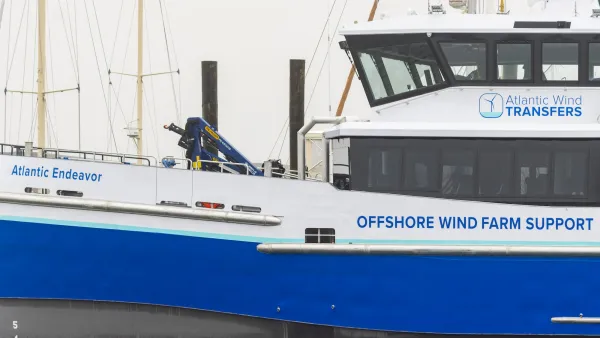
Nation’s Largest Offshore Wind Project, Suspended by Trump, Restarts Construction
A judge issued a temporary restraining order against the Trump administration’s suspension of five East Coast offshore wind projects.
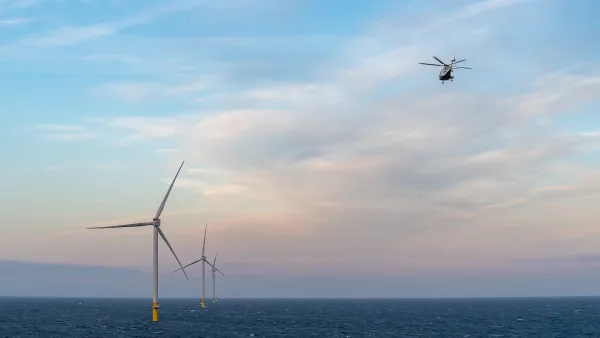
California presses forward on offshore wind
The state is taking steps to prepare its grid and port infrastructure for offshore wind projects despite the federal government's pushback on the technology.
Feds Terminate $7.56 Billion for Clean Energy Projects
The Department of Energy canceled awards to over 200 renewable energy projects.

Planetizen Federal Action Tracker
A weekly monitor of how Trump’s orders and actions are impacting planners and planning in America.

The state-sanctioned urbicide of Austin
People don’t kill cities. Freeways do.

US to reduce Colorado River water deliveries to Mexico
A new Colorado Treaty amendment reduces Mexico’s Colorado River water allocation by 250,000 acre feet.

Baltimore to break ground on $50 million Transit Priority Project
The project will bring faster bus trips, safer streets and better bike connections to Baltimore.

Airbnb launches $250 million 'last-dollar financing' housing accelerator, makes first investment in Austin
The company will put $6.4 million towards affordable housing development in Texas’ capital.

Guerilla urbanists are building DIY bus stop benches in Chicago
A before-and-after of one of the bus stops with a new bench. The new benches are not officially sanctioned or permitted, but the residents who placed them hope they will be the start of a network of DIY benches across the city.

FREE Course: Walkable City 1: Why Walkability?
After describing his path towards focusing on walkability as the essence of good planning, Jeff Speck marches through his five principal reasons for making more walkable places.
Reinventing Malls: Planning Alchemy—Turning Gray Fields Into Gold
The course focuses on the opportunities and imperatives that shape reinvention of mall sites.

Eagle County Government
Harvard University Graduate School of Design
Nashville Planning Department
The Architects Foundation
University of Cincinnati Online
The Pocatello Development Authority
The Urban Renewal Agency of the City of Pocatello
Journal of the American Planning Association