A common winter road clearing technique is having major impacts on waterways.


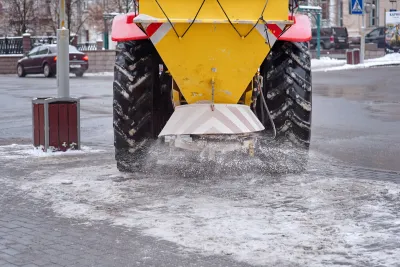
Salt used to keep winter roads free of snow is accumulating in waterways, leading to “damaged infrastructure, polluted drinking water, and harms to aquatic life,” writes Renee Bourassa in Greater Greater Washington.
The Potomac River, the sole source of drinking water for Washington, D.C, has seen a 10-fold increase in chloride over the past 80 years. “WSSC Water has seen chloride levels increase by 155% in the Patuxent River and 84% in the Potomac River over the past 30 years. Earlier this year, they even preemptively let their customers know to expect saltier water coming out of the tap after a storm.”
Bourassa explains that salt is corrosive to cars, household appliances, buildings, bridges, and plumbing, leading to quicker degradation of infrastructure and homes. Salt can also lead to the release of additional harmful chemicals into drinking water. It is also harmful to freshwater species.
Some states, like Maryland and Virginia, are working to reduce winter salt application through targeted salt management plans. Bourassa also lists several ways residents can help reduce salt use.
Read the full story: Why so salty? The not-so-invisible impacts of winter salt

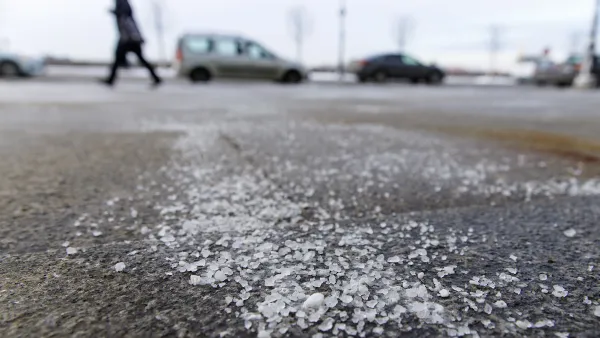
Minnesota Advocates Propose Tools to Limit Road Salt Use
Winter-oriented road design can limit the amount of polluting chloride used on the state’s roads to mitigate winter conditions.
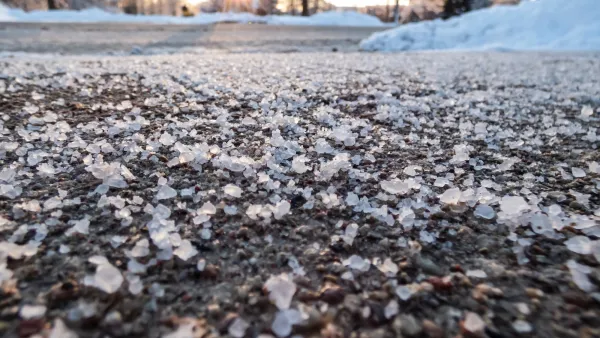
Inside the Initiative to Protect Lake George by Reducing Road Salt
Ten years after launching a plan to cut salt pollution, Lake George is seeing results, and the model is spreading across the country and beyond.
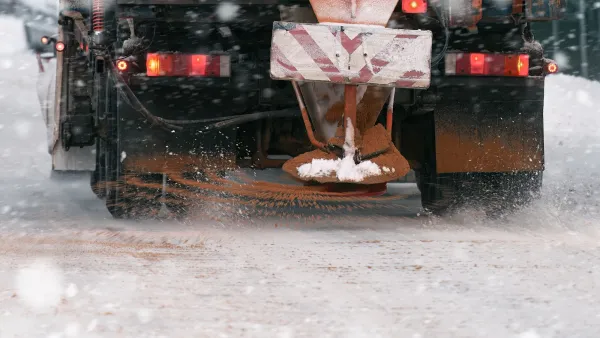
Winter Road Salt is Making Waterways Toxic to Wildlife
Salt used to clear streets is accumulating in local creeks and rivers and seeping into groundwater, contaminating fresh water supplies.

Planetizen Federal Action Tracker
A weekly monitor of how Trump’s orders and actions are impacting planners and planning in America.

The state-sanctioned urbicide of Austin
People don’t kill cities. Freeways do.

US to reduce Colorado River water deliveries to Mexico
A new Colorado Treaty amendment reduces Mexico’s Colorado River water allocation by 250,000 acre feet.

Nation's most wind-powered state turns to coal as data centers increase energy demand
For the first time in decades, Iowa has increased its generation of coal power.

NYC cools commuters with city's first rain garden above a bus stop
New York City officials say the plants in the rain garden can absorb 16 gallons of rainwater during heavy storms.

Brightline West’s future may rely on $6 billion federal loan
The company has until Nov. 2 to make a $400 million equity investment into its proposed high-speed rail line.

FREE Course: Walkable City 1: Why Walkability?
After describing his path towards focusing on walkability as the essence of good planning, Jeff Speck marches through his five principal reasons for making more walkable places.
Reinventing Malls: Planning Alchemy—Turning Gray Fields Into Gold
The course focuses on the opportunities and imperatives that shape reinvention of mall sites.

Eagle County Government
Harvard University Graduate School of Design
Nashville Planning Department
The Architects Foundation
University of Cincinnati Online
The Pocatello Development Authority
The Urban Renewal Agency of the City of Pocatello
Journal of the American Planning Association