Salt used to clear streets is accumulating in local creeks and rivers and seeping into groundwater, contaminating fresh water supplies.


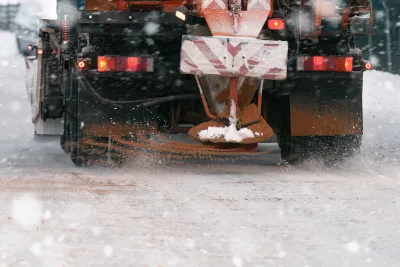
Salt used to keep roadways free of ice and snow is accumulating in waterways, causing dangerously high salinity levels in water bodies in Pennsylvania, New Jersey, and Delaware, reports Susan Phillips for WHYY.
According to a study led by the Stroud Water Research Center, “Of more than 700 locations sampled, 61% exceeded aquatic life thresholds set by the Environmental Protection Agency.” Roughly the same amount tested well above the healthy accepted drinking water standard for people on a low-salt diet.
The study was conducted in October, before the road salt season starts. During winter, salt levels in some water bodies are twice as salty as seawater, Phillips adds. The salt is also seeping into the ground and contaminating groundwater supplies.
Some states, such as Maryland and New Hampshire, are taking steps to minimize road salt use. “Pennsylvania lawmakers are considering a new bill that would require PennDot and the Department of Environmental Protection to develop best practices for salting roadways, similar to Maryland’s protocols.”
FULL STORY: Road salt remains in Pa., N.J. and Del. waterways months after winter storms, according to new data

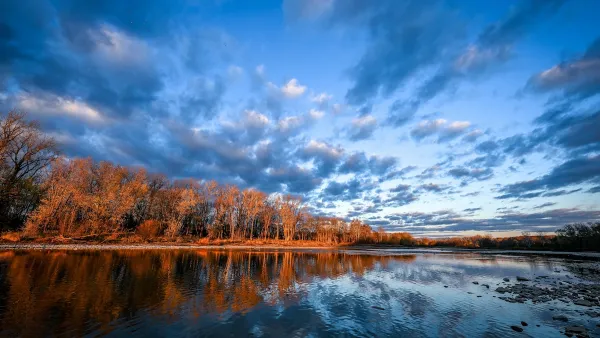
Great Lakes Water Quality Project Seeks to Restore Coastal Vegetation
A plan to restore perennial plants to agricultural land could help reduce runoff and improve water quality across the Great Lakes region.
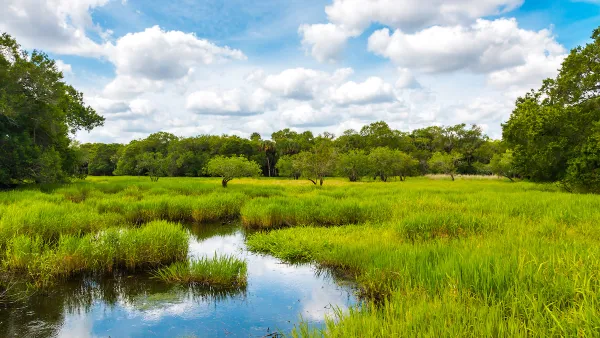
How To Make the Clean Water Act Work Better
A legal scholar suggests mechanisms for closing loopholes that limit the law’s effectiveness.
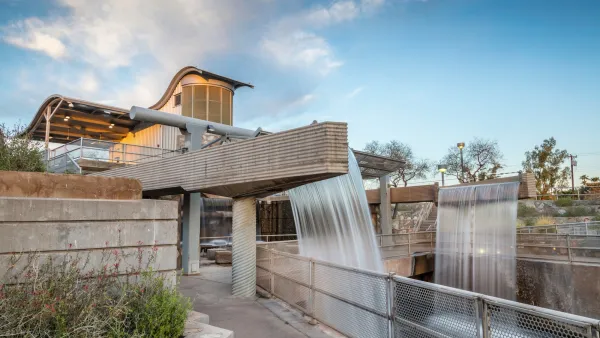
Arizona prepares to tap into emergency water supply as it braces for Colorado River cuts
The Salt River Project has been collecting nearly 4 million acre-feet of water since the mid-1990s.

The state-sanctioned urbicide of Austin
People don’t kill cities. Freeways do.

US to reduce Colorado River water deliveries to Mexico
A new Colorado Treaty amendment reduces Mexico’s Colorado River water allocation by 250,000 acre feet.

New Jersey’s second-largest city bans standalone data centers
Jersey City will continue to allow co-location facilities, such as those meant for research institutions that store their own data.

Amtrak not solely to blame for New Jersey commuter rail's unreliability, report finds
A new study from the Garden State Initiative found that NJ Transit’s budget grew 20% across a 4 year period, but reliability declined significantly over the same period.

EPA erases limits on planet-warming pollution from power plants
Under Monday’s plan, power plants would still have some limits on how much mercury, arsenic and other contaminants they can emit.

Phoenix announces new on-demand transit service, more frequent RAPID buses
Both new services will launch in October, and are part of Phoenix's Project Effective Access Solutions for Easing Congestion.

FREE Course: Walkable City 1: Why Walkability?
After describing his path towards focusing on walkability as the essence of good planning, Jeff Speck marches through his five principal reasons for making more walkable places.
Reinventing Malls: Planning Alchemy—Turning Gray Fields Into Gold
The course focuses on the opportunities and imperatives that shape reinvention of mall sites.

Eagle County Government
Harvard University Graduate School of Design
Nashville Planning Department
The Architects Foundation
University of Cincinnati Online
The Pocatello Development Authority
The Urban Renewal Agency of the City of Pocatello
Journal of the American Planning Association