The robotaxi operator and the city are embroiled in competing lawsuits over an overnight charging facility that residents say causes disruption in the neighborhood.


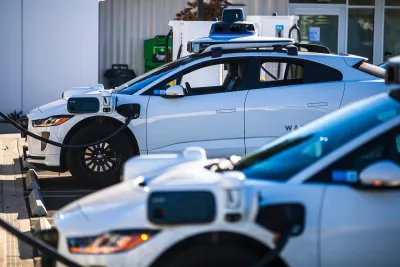
Autonomous taxi operator Waymo is engaged in a back-and-forth legal battle with the city of Santa Monica, which is suing the company to prevent it from using its electric charging stations overnight due to complaints from local residents about late-night noise and activity.
According to an article by Salvador Hernandez in the Los Angeles Times, Waymo sued the city back, alleging that its activities do not constitute a public nuisance and that Santa Monica “was aware that the Voltera charging facilities were to operate and maintain a commercial electric vehicle fleet 24-hours a day, and the city approved its use when it approved the permits for the stations.”
Tensions have grown to the point that some residents have blocked or otherwise hindered the Waymo vehicles from entering the facilities, prompting employees to call the police on several occasions. Waymo met with the city to discuss options for mitigating the noise, but no agreement was reached before the city sued.
FULL STORY: Fight between Waymo and Santa Monica goes to court

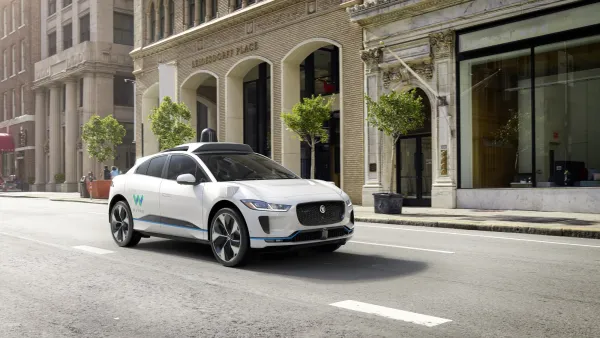
Waymo Expanding Robotaxi Service to More Bay Area Cities
The company was permitted to operate in 22 Bay Area cities without restrictions in March.
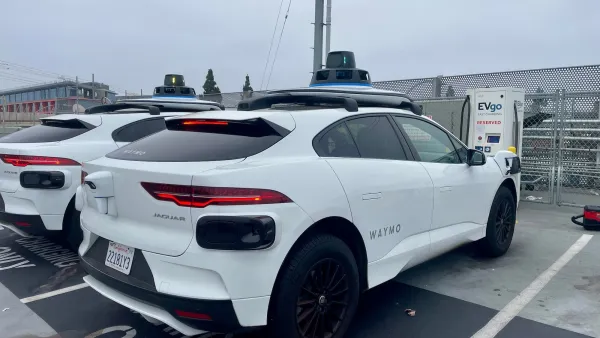
Judge orders Waymo to stop using 2 Santa Monica charging stations after noise complaints
Neighbors have asked the city to ban the company from using charging stations in residential areas between 11pm and 6am.
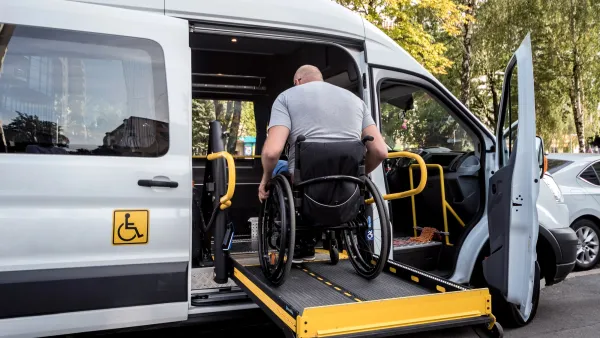
DC's robotaxi bill stays silent on accessibility
A 24-page bill addresses safety, permitting and consumer rights — but fails to mention wheelchairs or accessible vehicles.

The state-sanctioned urbicide of Austin
People don’t kill cities. Freeways do.

US to reduce Colorado River water deliveries to Mexico
A new Colorado Treaty amendment reduces Mexico’s Colorado River water allocation by 250,000 acre feet.

New Jersey’s second-largest city bans standalone data centers
Jersey City will continue to allow co-location facilities, such as those meant for research institutions that store their own data.

Amtrak not solely to blame for New Jersey commuter rail's unreliability, report finds
A new study from the Garden State Initiative found that NJ Transit’s budget grew 20% across a 4 year period, but reliability declined significantly over the same period.

EPA erases limits on planet-warming pollution from power plants
Under Monday’s plan, power plants would still have some limits on how much mercury, arsenic and other contaminants they can emit.

Phoenix announces new on-demand transit service, more frequent RAPID buses
Both new services will launch in October, and are part of Phoenix's Project Effective Access Solutions for Easing Congestion.

FREE Course: Walkable City 1: Why Walkability?
After describing his path towards focusing on walkability as the essence of good planning, Jeff Speck marches through his five principal reasons for making more walkable places.
Reinventing Malls: Planning Alchemy—Turning Gray Fields Into Gold
The course focuses on the opportunities and imperatives that shape reinvention of mall sites.

Eagle County Government
Harvard University Graduate School of Design
Nashville Planning Department
The Architects Foundation
University of Cincinnati Online
The Pocatello Development Authority
The Urban Renewal Agency of the City of Pocatello
Journal of the American Planning Association