The head of the ride-hailing giant says neither the technology, regulators, nor consumers are quite ready for widespread deployment of self-driving cars.


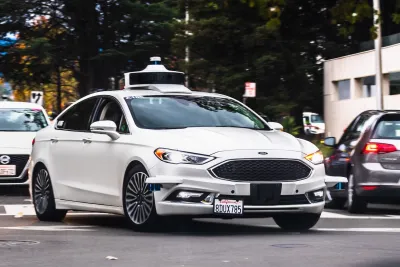
The self-driving future is further off than we think, says the CEO of Lyft, David Risher. According to Risher, “The technology doesn’t work yet, government regulators aren’t ready, and consumers don’t like them.”
In an interview with Fortune’s Jim Edwards, Risher said that those factors will “make the rollout of self-driving slow. Risher said he would be surprised if 10% of Lyft’s business came from self-driving vehicles by 2030.”
Even though robot cars may seem like an attractive option for companies, “Risher points out that a fleet of self-driving cars quickly becomes an expensive asset-depreciation issue.” Because of this, it’s still more efficient for ride-hailing companies to ‘rent’ cars from the individual drivers who own them rather than own entire fleets that sit (or worse, drive around) idly during off-peak hours.

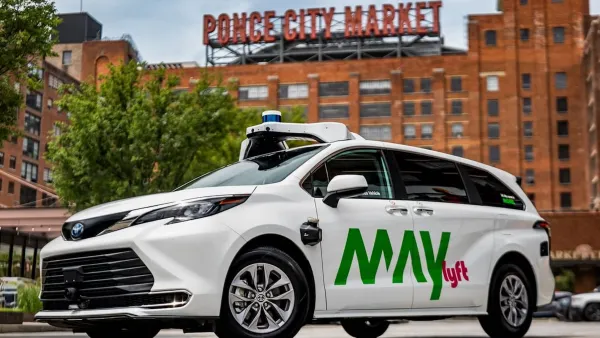
Atlanta, Dallas Area to Launch Robotaxi Rideshare Fleets
Lyft and Uber will begin including autonomous vehicles in their networks in Atlanta and Arlington, Texas starting later this year.
Tesla Reveals Remote Drivers Temporarily Control its Robotaxis
The company admitted human drivers sometimes remotely take over robotaxi operations “if necessary.”
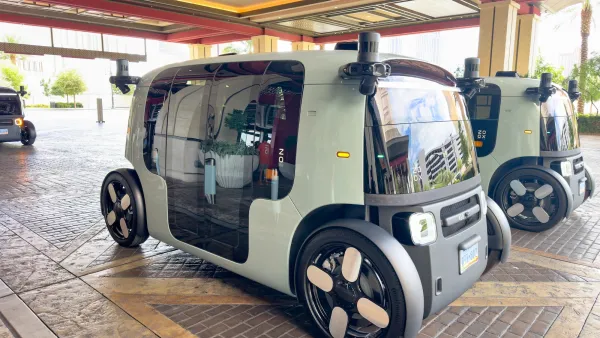
Amazon's steering wheel- and brake pedal-less Zoox robotaxis receive nation's first go-ahead for paid public rides
The NHTSA is giving a temporary permit to some autonomous cars that don't meet current safety standards as it develops a new framework for self-driving vehicles.

The state-sanctioned urbicide of Austin
People don’t kill cities. Freeways do.

US to reduce Colorado River water deliveries to Mexico
A new Colorado Treaty amendment reduces Mexico’s Colorado River water allocation by 250,000 acre feet.

New Jersey’s second-largest city bans standalone data centers
Jersey City will continue to allow co-location facilities, such as those meant for research institutions that store their own data.

Amtrak not solely to blame for New Jersey commuter rail's unreliability, report finds
A new study from the Garden State Initiative found that NJ Transit’s budget grew 20% across a 4 year period, but reliability declined significantly over the same period.

EPA erases limits on planet-warming pollution from power plants
Under Monday’s plan, power plants would still have some limits on how much mercury, arsenic and other contaminants they can emit.

Phoenix announces new on-demand transit service, more frequent RAPID buses
Both new services will launch in October, and are part of Phoenix's Project Effective Access Solutions for Easing Congestion.

FREE Course: Walkable City 1: Why Walkability?
After describing his path towards focusing on walkability as the essence of good planning, Jeff Speck marches through his five principal reasons for making more walkable places.
Reinventing Malls: Planning Alchemy—Turning Gray Fields Into Gold
The course focuses on the opportunities and imperatives that shape reinvention of mall sites.

Eagle County Government
Harvard University Graduate School of Design
Nashville Planning Department
The Architects Foundation
University of Cincinnati Online
The Pocatello Development Authority
The Urban Renewal Agency of the City of Pocatello
Journal of the American Planning Association