In a wealthy Los Angeles enclave, an unsightly fence is prompting questions from local residents.


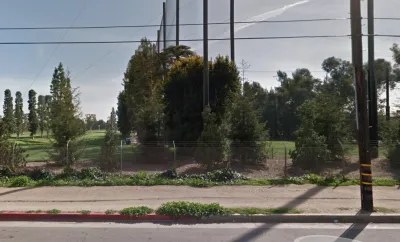
A three-quarter-mile stretch of chain-link an barbed wire fence in the tony neighborhood of Brentwood, California has residents up in arms, reports Nicole LaPorte in The Ankler.
The fence is located along the property line of the Brentwood Country Club, which says it is part of a renovation and beautification project. “The aggressive new barrier is all the more glaring because trees and vegetation that had shrouded the original fence it replaced have been removed. And whereas it was possible to peek through the older chain-link fence, the new one is sheathed in hideous dark green vinyl, adding to the Keep Out vibe. Worse: The new fence has been extended out toward the street by a few feet, encroaching onto the dirt running path that gives the boulevard a Central Park Reservoir vibe.”
According to Malcolm Gladwell, who did an analysis for his Revisionist History podcast, the country club, which charges upwards of $200,000 per year for membership, only pays around $200,000 a year for property taxes thanks to outdated laws, even though it should pay around $90 million, creating added friction with local residents.
The debate over the removal of vegetation plays into a larger discussion about fire safety and California’s legislation that would require a five-foot-wide mostly vegetation-free buffer zone around homes in areas with high fire risk.
FULL STORY: The Fence That Broke Brentwood: A Country Club’s Barbed Wire Ignites War

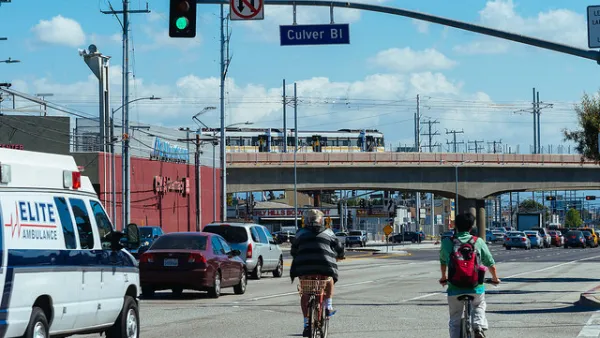
Report: Modest Congestion Charge Would Produce Dramatic Results in Los Angeles
Applying a cordon toll as low as $4 in Los Angeles would result in a 20% reduction in traffic congestion and modest increases in transit ridership, walking, and biking, according to a new study from the Southern California Association of Governments.
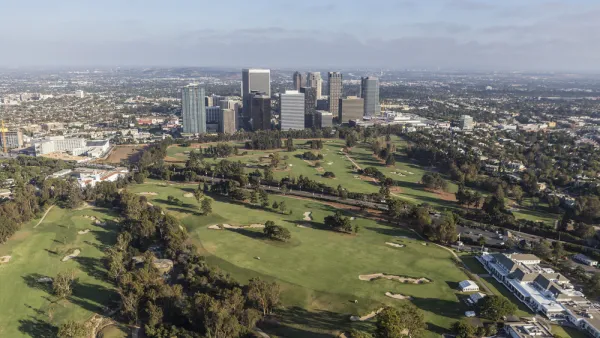
L.A. Country Clubs Taking More Than Their Share and Paying Less
Malcom Gladwell takes on the racial and environmental problems related to the game of golf, particularly as it relates to L.A. property taxes and the Ship of Theseus.
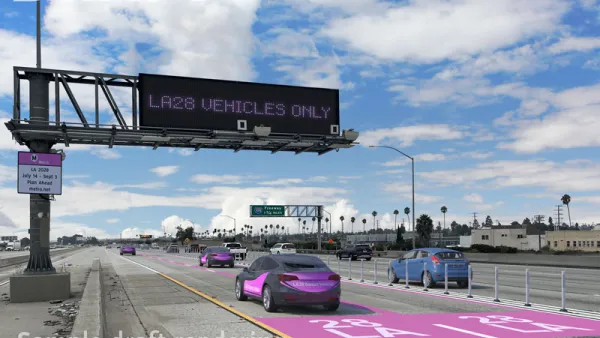
LA needs $2 billion in Olympic Games transportation funding by Sept. 1, officials say
Congresspeople who serve the Los Angeles area met on Aug. 26 to urge the Trump administration to speed up funding.

Planetizen Federal Action Tracker
A weekly monitor of how Trump’s orders and actions are impacting planners and planning in America.

The state-sanctioned urbicide of Austin
People don’t kill cities. Freeways do.

US to reduce Colorado River water deliveries to Mexico
A new Colorado Treaty amendment reduces Mexico’s Colorado River water allocation by 250,000 acre feet.

5 New England states march closer to 800 megawatt wind energy project
Securing federal approval for the project may be complicated under the Trump administration, which has historically been hostile towards domestic wind power.

Baltimore to break ground on $50 million Transit Priority Project
The project will bring faster bus trips, safer streets and better bike connections to Baltimore.

Airbnb launches $250 million 'last-dollar financing' housing accelerator, makes first investment in Austin
The company will put $6.4 million towards affordable housing development in Texas’ capital.

FREE Course: Walkable City 1: Why Walkability?
After describing his path towards focusing on walkability as the essence of good planning, Jeff Speck marches through his five principal reasons for making more walkable places.
Reinventing Malls: Planning Alchemy—Turning Gray Fields Into Gold
The course focuses on the opportunities and imperatives that shape reinvention of mall sites.

Eagle County Government
Harvard University Graduate School of Design
Nashville Planning Department
The Architects Foundation
University of Cincinnati Online
The Pocatello Development Authority
The Urban Renewal Agency of the City of Pocatello
Journal of the American Planning Association