The city’s progress in building supportive housing units has not kept up with the rising numbers of residents experiencing homelessness.



An article in Mirror Indy describes how the city and local organizations in Indianapolis are working to build supportive housing facilities that offer wraparound services to unhoused residents that can help them transition into more stable housing. “Despite success with supportive housing projects that bring people out of homelessness and provide a safe place to work through issues, Indianapolis fell short of an ambitious goal set by stakeholders six years ago.”
The goal was to end homelessness longer than 30 days by 2023. But in January 2024, the number of people experiencing homelessness counted in the city stood at 1,701. Meanwhile, it can take up to 90 days for housing voucher recipients to access housing. The city is maintaining its efforts to build supportive housing while also working with landlords to make more existing housing units available to people using vouchers.
The city is attempting to take a ‘Housing First’ approach, a strategy that prioritizes getting people into housing as soon as possible while providing access to supportive services. “There’s local evidence that shows permanent supportive housing works. Leaders at DMD, CHIP, and Horizon House all said retention rates are higher than the national average — above 90 percent.”
Officials say complicated funding streams and a “tough environment to do development” slowed the city’s progress. The local housing authority is also in the process of being reorganized “after years of mismanagement and dysfunction.”
FULL STORY: Ending homelessness: Indianapolis’s struggle to build more supportive housing


A Decade of Progress on Homelessness in Milwaukee County
Unlike most U.S. communities, Milwaukee County has managed to make significant progress toward assisting unhoused residents through a Housing First approach.

Milwaukee Homelessness Dropped in 2024
Bucking national trends, Milwaukee reduced homelessness in 2024 through Housing First policies and supportive services, but local advocates warn high housing costs will likely lead to an increase in the unhoused population in the coming year.
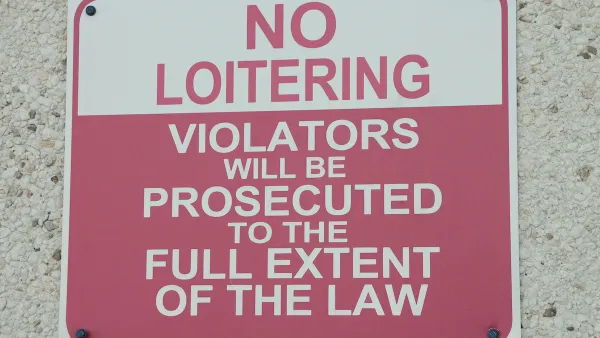
More Cities, States Criminalizing Homelessness
As the number of unhoused Americans grows, some jurisdictions are going against the advice of advocates and imposing harsh penalties for sleeping in public spaces.

Planetizen Federal Action Tracker
A weekly monitor of how Trump’s orders and actions are impacting planners and planning in America.

The state-sanctioned urbicide of Austin
People don’t kill cities. Freeways do.

US to reduce Colorado River water deliveries to Mexico
A new Colorado Treaty amendment reduces Mexico’s Colorado River water allocation by 250,000 acre feet.

Baltimore to break ground on $50 million Transit Priority Project
The project will bring faster bus trips, safer streets and better bike connections to Baltimore.

Airbnb launches $250 million 'last-dollar financing' housing accelerator, makes first investment in Austin
The company will put $6.4 million towards affordable housing development in Texas’ capital.

Guerilla urbanists are building DIY bus stop benches in Chicago
A before-and-after of one of the bus stops with a new bench. The new benches are not officially sanctioned or permitted, but the residents who placed them hope they will be the start of a network of DIY benches across the city.

FREE Course: Walkable City 1: Why Walkability?
After describing his path towards focusing on walkability as the essence of good planning, Jeff Speck marches through his five principal reasons for making more walkable places.
Reinventing Malls: Planning Alchemy—Turning Gray Fields Into Gold
The course focuses on the opportunities and imperatives that shape reinvention of mall sites.

Eagle County Government
Harvard University Graduate School of Design
Nashville Planning Department
The Architects Foundation
University of Cincinnati Online
The Pocatello Development Authority
The Urban Renewal Agency of the City of Pocatello
Journal of the American Planning Association