The current Los Angeles wildfires have destroyed schools and outdoor education spaces like Eaton Canyon, displacing families and disrupting vital learning and community resources while highlighting the region’s vulnerability to natural disasters.


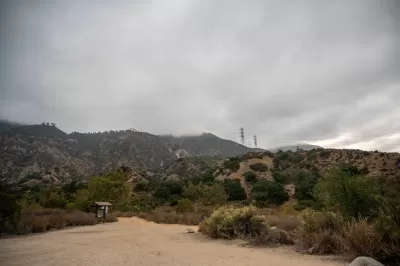
The recent wildfires in Los Angeles have ravaged schools and outdoor education sanctuaries, leaving families and educators grappling with profound loss. Beloved spaces like Eaton Canyon Nature Area, once a hub for outdoor learning and exploration, have been reduced to ashes, disrupting the lives of children and parents who relied on these areas for education and solace. Parents like Irina Contreras mourn the destruction of places where their children developed a deep connection with nature, emphasizing the emotional toll of losing these critical resources that supported both learning and mental well-being during and after the pandemic.
The fires have also impacted schools directly, with buildings like Odyssey Charter School and campuses within the Pasadena Unified School District sustaining severe damage. Thousands of students face uncertainty as closures extend across hundreds of schools in Southern California due to smoke, ash, and poor air quality. Educational programs, summer camps, and nature-based preschools have all been disrupted, while community members, educators, and families work to adapt to the challenges posed by the destruction and displacement caused by the fires.
Nature advocates like Lila Higgins and Greg Pauly stress the importance of outdoor spaces for cognitive development, emotional health, and fostering a sense of connection to the environment. Despite the devastation, there is hope that these spaces will eventually be restored, though it may take years before they can fully resume serving as vital educational and community resources. The wildfires serve as a stark reminder of Southern California’s vulnerability to natural disasters and the pressing need to prioritize environmental resilience and recovery.
FULL STORY: Fires burn Los Angeles schools and destroy outdoor education sanctuaries

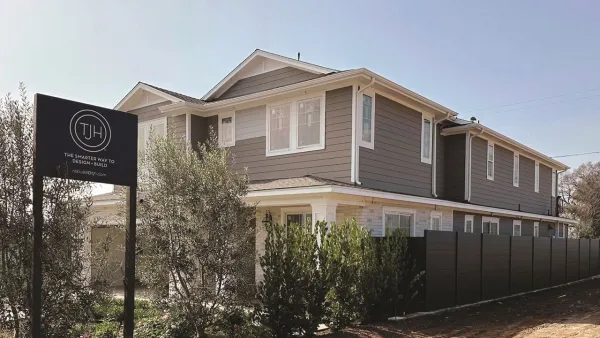
Los Angeles Issues First Occupancy Permit in Pacific Palisades Since Wildfires
Permits in the Palisades are being issued at nearly three times the typical rate as before the wildfires.

UCLA Experts Offer Critical Support for LA Wildfire Response and Recovery
The UCLA Luskin Center for Innovation offers expert guidance on LA wildfire response and recovery, addressing critical issues like water safety, air quality, equitable rebuilding, and climate adaptation to promote resilience and sustainability.
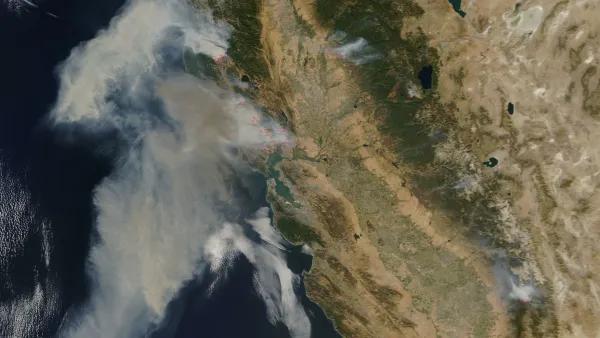
Can We Know Which Homes in California Will Burn?
As the state's worst wildfire season ever refuses to end, an analyst from UCLA considers how land use and building codes determine the location and extent of the damage.

Planetizen Federal Action Tracker
A weekly monitor of how Trump’s orders and actions are impacting planners and planning in America.

The state-sanctioned urbicide of Austin
People don’t kill cities. Freeways do.

US to reduce Colorado River water deliveries to Mexico
A new Colorado Treaty amendment reduces Mexico’s Colorado River water allocation by 250,000 acre feet.

5 New England states march closer to 800 megawatt wind energy project
Securing federal approval for the project may be complicated under the Trump administration, which has historically been hostile towards domestic wind power.

Baltimore to break ground on $50 million Transit Priority Project
The project will bring faster bus trips, safer streets and better bike connections to Baltimore.

Airbnb launches $250 million 'last-dollar financing' housing accelerator, makes first investment in Austin
The company will put $6.4 million towards affordable housing development in Texas’ capital.

FREE Course: Walkable City 1: Why Walkability?
After describing his path towards focusing on walkability as the essence of good planning, Jeff Speck marches through his five principal reasons for making more walkable places.
Reinventing Malls: Planning Alchemy—Turning Gray Fields Into Gold
The course focuses on the opportunities and imperatives that shape reinvention of mall sites.

Eagle County Government
Harvard University Graduate School of Design
Nashville Planning Department
The Architects Foundation
University of Cincinnati Online
The Pocatello Development Authority
The Urban Renewal Agency of the City of Pocatello
Journal of the American Planning Association