The technology known as V2X could prevent crashes and save lives by allowing vehicles to communicate with each other and road infrastructure.


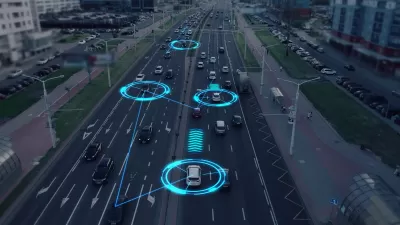
The U.S. Department of Transportation is releasing a plan for the deployment of technology that allows cars to ‘talk’ to each other, potentially preventing thousands of crashes.
As Joel Rose explains in a piece for NPR, the tech, known as vehicle-to-everything, allows vehicles to exchange information with other vehicles and sensors including roadway infrastructure. “Users could send and receive frequent messages to and from each other, continuously sharing information about speed, position, and road conditions — even in situations with poor visibility, including around corners or in dense fog or heavy rain.”
While the National Highway Traffic Safety Administration (NHTSA) was poised to mandate the technology during the Obama administration, the proposal was later dropped. The new plan could reduce the “regulatory uncertainty” that has hindered the deployment of V2X. “In the short-term, the plan aims to have V2X infrastructure in place on 20% of the National Highway System by 2028, and for 25% of the nation's largest metro areas to have V2X enabled at signalized intersections.”
Read the full story: U.S. presses the ‘reset button' on technology that lets cars talk to each other

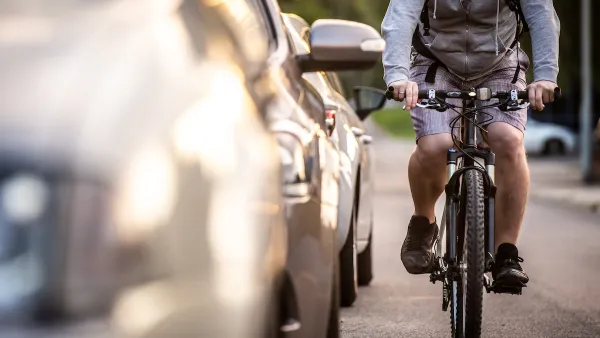
Opinion: How Vehicle-to-Everything Tech Can Protect Cyclists
The technology could enable cars and bikes to communicate and reduce collisions.
Transportation secretary proposes right to 'freedom cars'
The Trump administration wants to promote the production of self-driving cars while allowing Americans to buy tech-free "traditional" vehicles.
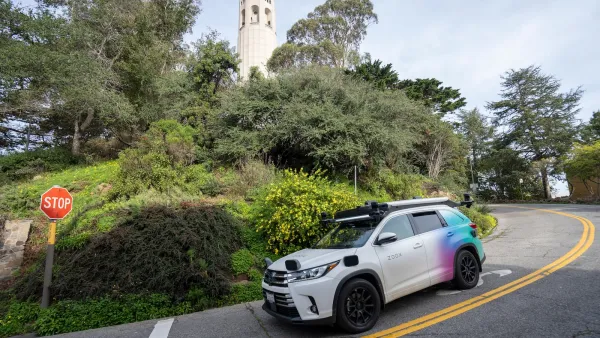
Feds want to make brake pedals optional in AVs
A proposed rule change would no longer require carmakers to include manual brake pedals or steering wheels in fully self-driving cars.

Amtrak, CN end decades-long dispute with eight-year agreement
The new operating agreement establishes an updated framework for the companies to work together, including processes to resolve disputes.

Judges permit Denver to divert 77,000 acre feet from the Colorado River for reservoir expansion
Overuse and climate change have caused the Colorado River’s water levels to plummet.
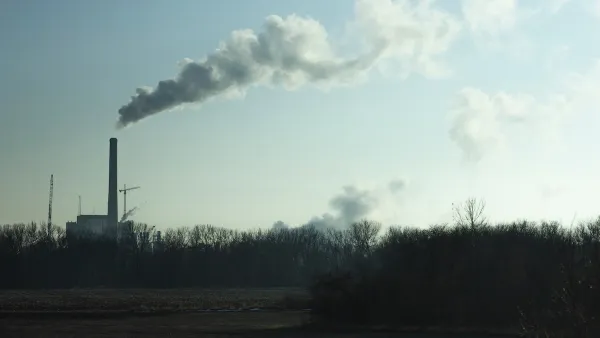
Nation's most wind-powered state turns to coal as data centers increase energy demand
For the first time in decades, Iowa has increased its generation of coal power.

Boston has spent millions making the Green Line more accessible — and there’s no end in sight
While the city has invested millions into expanding and adding platforms to the Green Line to make it more accessible, new train cars set to arrive next year will be too tall for disabled passengers to board without raising the current platforms.

Idaho may see an 18% drop in federal surface transit funding — the largest estimated cut in the US
Transit systems in rural communities are much more reliant on federal funding to provide their services.

How ‘post-disaster gentrification’ alters neighborhoods after natural calamities
After hurricanes, fires or other calamities, the original residents of a community are often replaced by younger, wealthier residents.

FREE Course: Walkable City 1: Why Walkability?
After describing his path towards focusing on walkability as the essence of good planning, Jeff Speck marches through his five principal reasons for making more walkable places.
Reinventing Malls: Planning Alchemy—Turning Gray Fields Into Gold
The course focuses on the opportunities and imperatives that shape reinvention of mall sites.

City of Wisconsin Rapids
Harvard University Graduate School of Design
KFH Group Inc.
The Architects Foundation
University of Cincinnati Online
The Pocatello Development Authority
The Urban Renewal Agency of the City of Pocatello