Changes in tourism and travel behavior and demand are prompting more conversions of hotels to apartments.


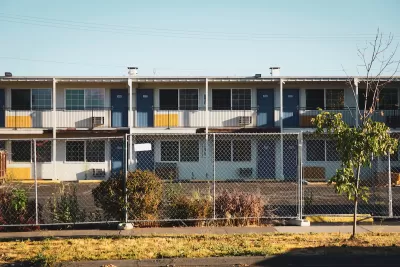
Hotel-to-apartment conversion projects are leading the way in the adaptive reuse sector, according to a RentCafe report. “Since these structures are already equipped with plumbing and electrical infrastructure, they offer redevelopers a faster and more cost-effective way to create new housing, compared to other methods.”
“Hotel conversions — such as ArtHaus Jack London in Oakland, California — make up the largest share of deliveries at 4,556 units, up by over 1,000 from the previous year,” writes Mary Salmonsen in Multifamily Dive. Overall, more than 151,000 adaptive reuse units are in development.
“New York City’s Manhattan saw the bulk of adaptive reuse deliveries in 2023, with 733 new units, every one converted from a former hotel. The majority of these apartments came from 525 Lexington Ave, which is now a 655-unit student property.” Los Angeles, with 5,881 units in the pipeline, leads the nation in adaptive reuse permits.
Read the full story: Hotel conversions take top spot in adaptive reuse

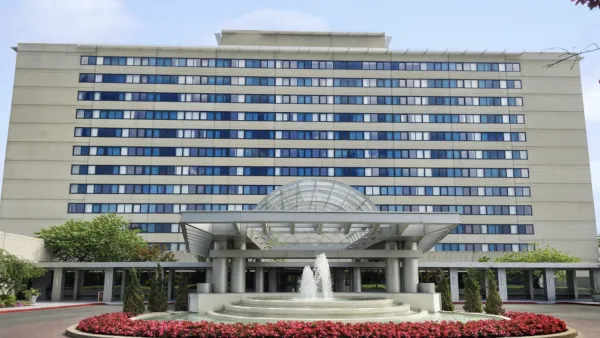
First Hotel Conversion to Begin in New York
A pandemic-era program designed to streamline the conversion of hotels into housing stalled, with the first project just now making its way through the pipeline.

SoCal Hotel to Become 98 Housing Units
A shuttered Carlsbad extended stay hotel offers an opportunity to quickly bring close to 100 new housing units on the market, including 15 affordable apartments.
New Jersey affordable housing requirements spur infill development across the state
A 50-year-old law continues to reshape development around housing goals.

Planetizen Federal Action Tracker
A weekly monitor of how Trump’s orders and actions are impacting planners and planning in America.

California plans to bury El Niño’s downpour
If the state plays its cards right, it may be able to store a billion acre-feet of El Niño’s water in aquifers.

Desperate measures: Advocates weigh draining Lake Powell to fill Colorado River
Draining the reservoir could reduce evaporation losses by a couple hundred thousand acre-feet.

California city breaks ground on transit connector
The project includes three mobility hubs and a pedestrian bridge.

After public outcry, Massachusetts city releases housing development tracker
Cambridge’s tracker currently shows 250 housing projects in various stages of development.

40 years after approval, Chicago breaks ground on new park
The park honors Jean Baptiste Point du Sable, the city’s first permanent non-native settler.

FREE Course: Walkable City 1: Why Walkability?
After describing his path towards focusing on walkability as the essence of good planning, Jeff Speck marches through his five principal reasons for making more walkable places.
Reinventing Malls: Planning Alchemy—Turning Gray Fields Into Gold
The course focuses on the opportunities and imperatives that shape reinvention of mall sites.

City of Rosemead
Rutgers University, Edward J. Bloustein School of Planning and Public Policy
One Hundred Miles
Hunter College, City University of New York (CUNY)
The Architects Foundation
University of Cincinnati Online
City of Cambridge
Montrose County
The Pocatello Development Authority