AI-powered permitting is accelerating solar deployments in cities across California, automating compliance checks and approvals for efficient and rapid solar project installations.



An article from Canary Media delves into the revolutionary impact of AI-powered permitting on expediting solar deployments in California. Particularly, a Stanford-led team has deployed its computational law technology to play a pivotal role in revolutionizing the permitting process for solar projects. By harnessing the power of artificial intelligence, regulatory checks are streamlined, resulting in swift approvals and accelerated solar installations. This technological innovation not only addresses bureaucratic challenges but also significantly enhances the overall efficiency of the permitting system.
In the context of California's commitment to clean energy, the integration of AI in permitting reflects a progressive step towards achieving renewable energy goals. These innovations in AI-powered solutions, as applied to planning and building, mitigate public confusion around regulatory complexities, eliminate friction at the counter, and ultimately facilitate a more rapid and seamless transition to sustainable energy practices in the state.
FULL STORY: AI-powered permitting is speeding up solar deployments in California


Details of the Golden State's Residential Solar Requirement
San Francisco Chronicle energy reporter David R. Baker sheds some light on the nation's first state building code requiring that solar panels be included in new home construction, adopted by the California Energy Commission on May 9.
New Guidelines to Streamline New Energy Storage Projects Adopted in New York City
The city of New York wants more capacity to store energy, so it's making the process of permitting energy storage projects easier to understand and follows.
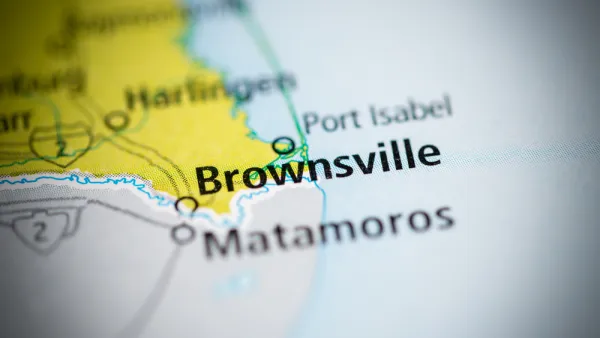
Border Town Removes Licensing Barrier to Encourage Solar
On the U.S.-Mexico border just west of the Gulf of Mexico, Brownsville looks to take advantage of its sunny territory.

The state-sanctioned urbicide of Austin
People don’t kill cities. Freeways do.

US to reduce Colorado River water deliveries to Mexico
A new Colorado Treaty amendment reduces Mexico’s Colorado River water allocation by 250,000 acre feet.

New Jersey’s second-largest city bans standalone data centers
Jersey City will continue to allow co-location facilities, such as those meant for research institutions that store their own data.

Amtrak not solely to blame for New Jersey commuter rail's unreliability, report finds
A new study from the Garden State Initiative found that NJ Transit’s budget grew 20% across a 4 year period, but reliability declined significantly over the same period.

EPA erases limits on planet-warming pollution from power plants
Under Monday’s plan, power plants would still have some limits on how much mercury, arsenic and other contaminants they can emit.

Phoenix announces new on-demand transit service, more frequent RAPID buses
Both new services will launch in October, and are part of Phoenix's Project Effective Access Solutions for Easing Congestion.

FREE Course: Walkable City 1: Why Walkability?
After describing his path towards focusing on walkability as the essence of good planning, Jeff Speck marches through his five principal reasons for making more walkable places.
Reinventing Malls: Planning Alchemy—Turning Gray Fields Into Gold
The course focuses on the opportunities and imperatives that shape reinvention of mall sites.

Eagle County Government
Harvard University Graduate School of Design
Nashville Planning Department
The Architects Foundation
University of Cincinnati Online
The Pocatello Development Authority
The Urban Renewal Agency of the City of Pocatello
Journal of the American Planning Association