Abandoned cities and other forsaken human-built sites are haunted by the mistakes city leaders and builders have made over centuries.



With Halloween around the corner, an article by Taylor Markarian in Reader’s Digest highlights 35 “creepy abandoned cities and ghost towns” that often serve as a lesson in human hubris, overreach, or planning failures.
As Markarian notes, “Places are abandoned for all sorts of reasons—economic collapse, regime change, sickness, war and natural disaster—and each set of ruins tells its own fascinating story.” In many cases, urban legends and ghost stories pop up to retroactively explain why a place was abandoned to ruin, but a more mundane explanation will often suffice.
Among the abandoned sites listed, which include Old West ghost towns and forts suspended above the Atlantic Ocean, are:
- Centralia, Pennsylvania, where an underground coal fire has been mysteriously burning since 1962.
- A Ukrainian city abandoned after the 1986 Chernobyl disaster.
- Alabama’s first state capital, abandoned because of repeated flooding and war.
- A Chinese ghost town that replicates Paris, France.
- A Middle Eastern settlement suddenly abandoned by its residents.
See the source article for the full list and some striking photos.
FULL STORY: 35 Creepy Abandoned Cities and Ghost Towns Around the World

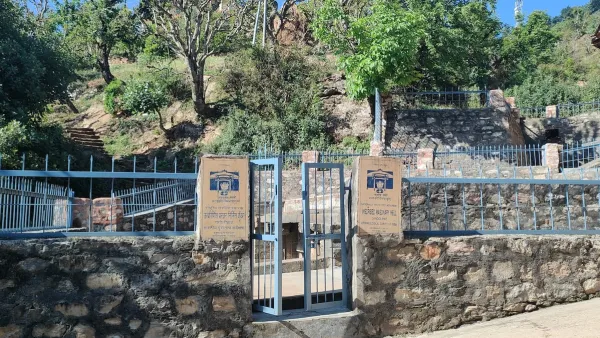
Restoring Northern India’s Himalayan ‘Water Temples’
Thousands of centuries-old buildings protect the region’s natural springs and serve as community wells and gathering places.
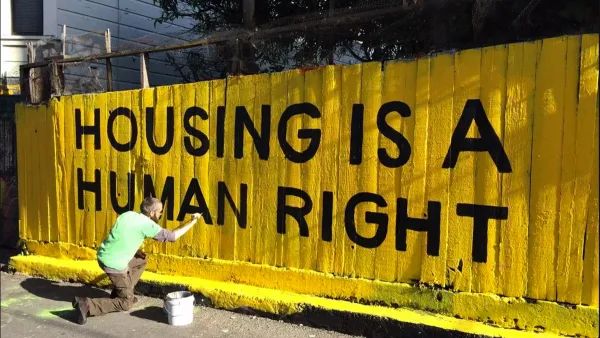
Six Reasons Why Housing Is a Human Right
Is housing a human right? A law professor shares six reasons why it should be, from its role in protecting other rights to global recognition and U.S. legal traditions. As public support grows, could housing be the next right written into law?
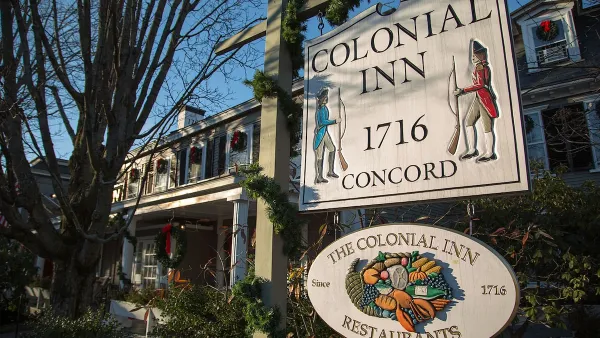
The Trust for Historic Preservation’s ‘Most Haunted’ Hotels of 2024
Looking for a historically creepy place to spend Halloween? Check out these haunted properties.

Planetizen Federal Action Tracker
A weekly monitor of how Trump’s orders and actions are impacting planners and planning in America.

The state-sanctioned urbicide of Austin
People don’t kill cities. Freeways do.

US to reduce Colorado River water deliveries to Mexico
A new Colorado Treaty amendment reduces Mexico’s Colorado River water allocation by 250,000 acre feet.

5 New England states march closer to 800 megawatt wind energy project
Securing federal approval for the project may be complicated under the Trump administration, which has historically been hostile towards domestic wind power.

Baltimore to break ground on $50 million Transit Priority Project
The project will bring faster bus trips, safer streets and better bike connections to Baltimore.

Airbnb launches $250 million 'last-dollar financing' housing accelerator, makes first investment in Austin
The company will put $6.4 million towards affordable housing development in Texas’ capital.

FREE Course: Walkable City 1: Why Walkability?
After describing his path towards focusing on walkability as the essence of good planning, Jeff Speck marches through his five principal reasons for making more walkable places.
Reinventing Malls: Planning Alchemy—Turning Gray Fields Into Gold
The course focuses on the opportunities and imperatives that shape reinvention of mall sites.

Eagle County Government
Harvard University Graduate School of Design
Nashville Planning Department
The Architects Foundation
University of Cincinnati Online
The Pocatello Development Authority
The Urban Renewal Agency of the City of Pocatello
Journal of the American Planning Association