Proposed changes to the city’s preservation ordinance would make two-thirds of the city’s housing stock eligible for preservation.


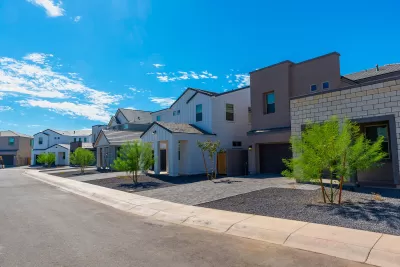
It could become a lot harder to demolish buildings over 50 years old in Tempe, Arizona, according to an article by Phineas Hogan in The State Press.
“The Tempe Historic Preservation Commission is proposing to increase wait times for demolition permits for every property in Tempe over 50 years old” by making them all historically eligible,’ Hogan writes. “According to the Historic Preservation Ordinance, plans for demolition can continue if the commission deems the property not historical or if no determination is made within the period.”
The 60-day waiting period would “give the commission the time ‘to determine the potential of historic eligibility of the property’ and ‘to have time to reach out to the property owner and see ... if there might be some other options that could be worked out.’”
Housing advocates say this could compound the city’s housing crisis by delaying the construction of new buildings and adding costs for developers. “The proposed changes would mean most of Tempe's houses would be automatically designated historically eligible in the next 20 years. According to TownCharts, 67% of Tempe's homes were built before 1989.”
Read the full story: Proposed changes to Tempe Historic Preservation could contribute to the Tempe housing crisis


Historic Newark building to become affordable housing
The century-old building will be converted into nearly 200 homes with ground-floor retail.
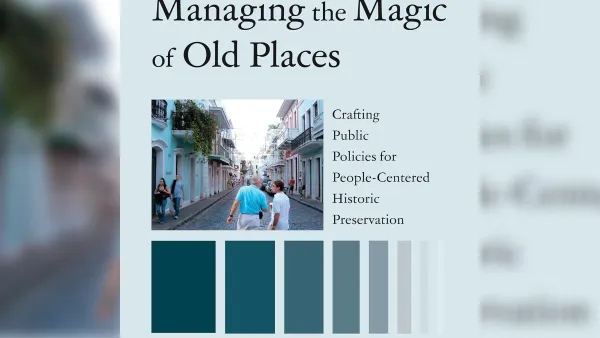
A call for people-centered historic preservation
'Managing the Magic of Old Places' offers a new vision for preservation that maintains its relevance while prioritizing the lived experience of residents of historic places.
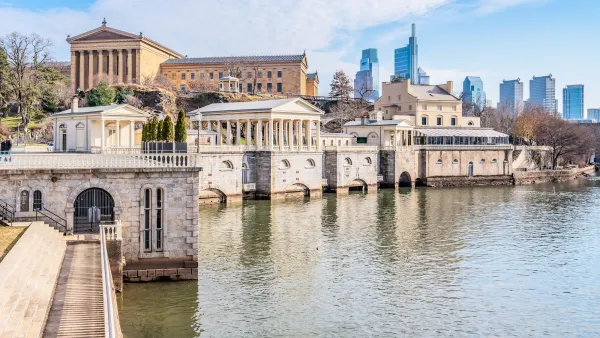
Pennsylvania’s Historic Sites are Under Threat From Rising Waters
The state has one of the nation’s highest concentrations of registered historic sites — and some face destruction from flooding.

Planetizen Federal Action Tracker
A weekly monitor of how Trump’s orders and actions are impacting planners and planning in America.

California plans to bury El Niño’s downpour
If the state plays its cards right, it may be able to store a billion acre-feet of El Niño’s water in aquifers.

Desperate measures: Advocates weigh draining Lake Powell to fill Colorado River
Draining the reservoir could reduce evaporation losses by a couple hundred thousand acre-feet.

Non-stop party: Chicago voters weigh permanent festival grounds
A stable place for bleachers, stages and drainage may streamline the setup and teardown of large events.

Metra may invest $9.1 billion in regional rail
The agency released a draft of a study examining potential ways to offer more frequent train service.

California city breaks ground on transit connector
The project includes three mobility hubs and a pedestrian bridge.

FREE Course: Walkable City 1: Why Walkability?
After describing his path towards focusing on walkability as the essence of good planning, Jeff Speck marches through his five principal reasons for making more walkable places.
Reinventing Malls: Planning Alchemy—Turning Gray Fields Into Gold
The course focuses on the opportunities and imperatives that shape reinvention of mall sites.

City of Rosemead
Rutgers University, Edward J. Bloustein School of Planning and Public Policy
One Hundred Miles
Hunter College, City University of New York (CUNY)
The Architects Foundation
University of Cincinnati Online
City of Cambridge
Montrose County
The Pocatello Development Authority