The region’s rapid growth and high housing costs are prompting a contentious debate over zoning changes that would boost density.


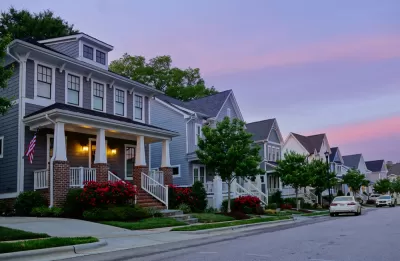
The cities of Raleigh, Durham and Chapel Hill, known locally as the Triangle, are all debating changes to their zoning codes, reports Zachery Eanes in Axios.
The reforms are a response to the region’s rapid growth and the attendant rise in housing costs. “The median sales price in the region in March 2020 was $287,000, according to numbers from Triangle Multiple Listing Services. Three years later, the median sales price was $387,000 — a 43.4% increase.”
Raleigh upzoned in 2021, but is considering revising those zoning changes amidst opposition from local groups. In Durham, a proposal to change the city’s unified development ordinance would streamline development and create incentives for affordable housing. “And Chapel Hill is considering upzoning many of its single-family neighborhoods to allow for more accessory dwelling units and duplexes.” All of the upzoning proposals face pushback from local residents concerned about traffic, parking, and neighborhood character.
Read the full story: The Triangle's growing debate around neighborhood zoning


Bill Legalizing ADUs Passes Texas Senate
If passed by the full state legislature, the bill would eliminate local restrictions on ‘mother-in-law’ units.

Experts Say Zoning Reform Isn’t Likely to Solve Housing Crisis
A survey by Fannie Mae found widespread skepticism among housing experts that zoning reforms will be enacted widely enough to make a major impact on U.S. housing supply.
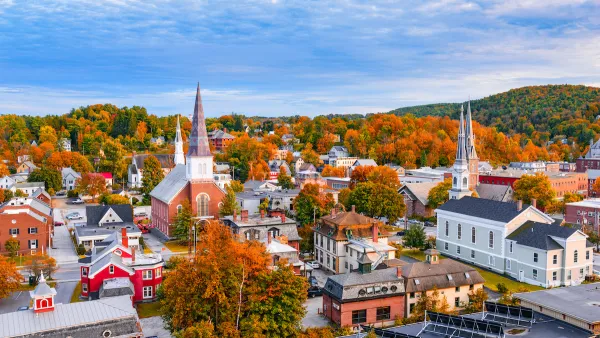
Burlington Approves Middle Housing Zoning Reform
The Vermont city will allow larger residential buildings and adjust other requirements to spur more ‘missing middle housing’ development.

Planetizen Federal Action Tracker
A weekly monitor of how Trump’s orders and actions are impacting planners and planning in America.

The state-sanctioned urbicide of Austin
People don’t kill cities. Freeways do.

US to reduce Colorado River water deliveries to Mexico
A new Colorado Treaty amendment reduces Mexico’s Colorado River water allocation by 250,000 acre feet.

NYC cools commuters with city's first rain garden above a bus stop
New York City officials say the plants in the rain garden can absorb 16 gallons of rainwater during heavy storms.

Brightline West’s future may rely on $6 billion federal loan
The company has until Nov. 2 to make a $400 million equity investment into its proposed high-speed rail line.

LA Metro’s ultimatum: no extra buses for LA28 if federal funding isn’t imminently secured
If Metro does not provide additional buses, LA28 organizers will have to find a new way to manage Olympic traffic. LA28’s budget does not include a line item for transit.

FREE Course: Walkable City 1: Why Walkability?
After describing his path towards focusing on walkability as the essence of good planning, Jeff Speck marches through his five principal reasons for making more walkable places.
Reinventing Malls: Planning Alchemy—Turning Gray Fields Into Gold
The course focuses on the opportunities and imperatives that shape reinvention of mall sites.

Eagle County Government
Harvard University Graduate School of Design
Nashville Planning Department
The Architects Foundation
University of Cincinnati Online
The Pocatello Development Authority
The Urban Renewal Agency of the City of Pocatello
Journal of the American Planning Association