The county is far behind its goal of building 2,700 supportive housing units as the region grows more unaffordable.



Orange County is falling short of its goals to house the region’s unhoused residents, reports Nick Gerda in Voice of OC. Five years ago, the county pledged to build 2,700 supportive housing units to address the growing homelessness crisis.
But despite some successful efforts, the county has only built 17 percent of the units it promised. As Gerda explains, “As of this week, a total of 479 permanent supportive housing units have been ‘completed,’ while another 608 are under construction, according to the agency’s data.” Advocates warn that, with homelessness rates continuing to rise and housing costs growing, the slow pace of construction won’t keep up with the number of people needing housing.
The county could tap into state funding via Project Homekey, a program aimed at supporting the conversion of hotels and other buildings to supportive housing, but that requires action from local leaders. “The county has been working on six motel conversions under Project Homekey grants, totaling 391 units once they’re completed at an unknown date.” Other projects in Anaheim, Costa Mesa, and other Orange County cities, in addition to providing shelter and services for unhoused people, have been credited with increasing safety and saving taxpayers millions.
FULL STORY: Despite Motel Conversions, Orange County Remains Far Behind Housing Goals

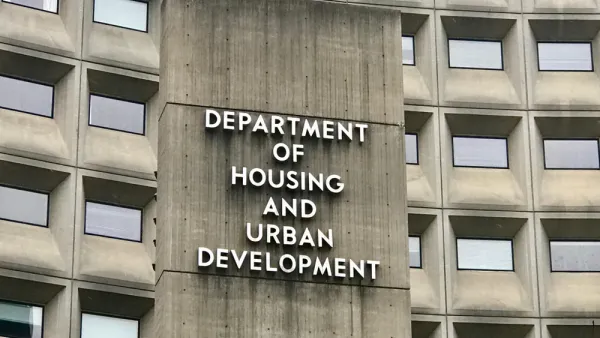
Local Governments Sue HUD Over Funding Cuts
A new lawsuit alleges that the Trump administration’s revised guidelines for housing and homelessness assistance funds will decimate key programs.

Milwaukee Homelessness Dropped in 2024
Bucking national trends, Milwaukee reduced homelessness in 2024 through Housing First policies and supportive services, but local advocates warn high housing costs will likely lead to an increase in the unhoused population in the coming year.
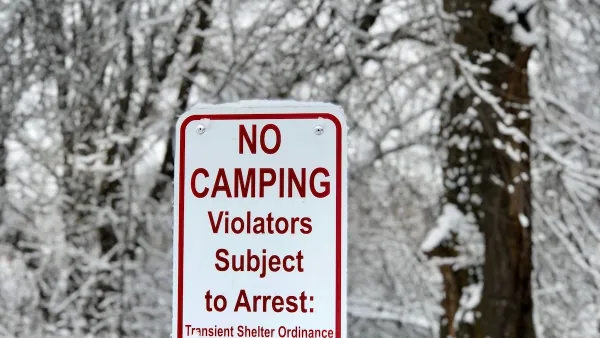
Opinion: Unhoused People Need Housing, Not Law Enforcement
The sharp increase in the unhoused population calls for urgent action, not criminalization.

Planetizen Federal Action Tracker
A weekly monitor of how Trump’s orders and actions are impacting planners and planning in America.

The state-sanctioned urbicide of Austin
People don’t kill cities. Freeways do.

US to reduce Colorado River water deliveries to Mexico
A new Colorado Treaty amendment reduces Mexico’s Colorado River water allocation by 250,000 acre feet.

5 New England states march closer to 800 megawatt wind energy project
Securing federal approval for the project may be complicated under the Trump administration, which has historically been hostile towards domestic wind power.

Baltimore to break ground on $50 million Transit Priority Project
The project will bring faster bus trips, safer streets and better bike connections to Baltimore.

Airbnb launches $250 million 'last-dollar financing' housing accelerator, makes first investment in Austin
The company will put $6.4 million towards affordable housing development in Texas’ capital.

FREE Course: Walkable City 1: Why Walkability?
After describing his path towards focusing on walkability as the essence of good planning, Jeff Speck marches through his five principal reasons for making more walkable places.
Reinventing Malls: Planning Alchemy—Turning Gray Fields Into Gold
The course focuses on the opportunities and imperatives that shape reinvention of mall sites.

Eagle County Government
Harvard University Graduate School of Design
Nashville Planning Department
The Architects Foundation
University of Cincinnati Online
The Pocatello Development Authority
The Urban Renewal Agency of the City of Pocatello
Journal of the American Planning Association