Gatlinburg, Tennessee, located at the western gateway of Great Smokey Mountains National Park, serves as a cautionary tale in the debate about a proposed resort near Slade in Eastern Kentucky.


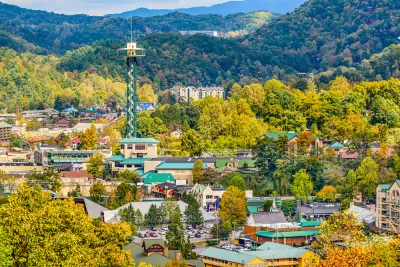
An opinion piece by David Musser for the Lexington Herald Leader spreads the word about the negative effects of committing to a “Gatlinburg-type model” of economic development.
Gatlinburg, Tennessee is a mountain resort city, with an aerial tramway, the “Gatlinburg Space Needle,” and other man-made tourist attractions like a suite of Ripley’s attractions, from an aquarium to a haunted adventure and an odditorium.
With a similar type of resort development proposed for Slade in the Red River Gorge area in Eastern Kentucky, Musser is on the offensive: “…the Gatlinburganization of any area causes negative environmental outcomes, accompanied by low-paying seasonal jobs that do little good for the local citizens. National corporate restaurants and motels suck money from the area and into the pockets of outside investors,” according to the opinion piece.
While listing numerous other reasons to reject the plan, Musser concludes that the state of Kentucky should focus on drawing people to its natural wonders. “The proposed model at Slade would not be a gateway to Eastern Kentucky. It would be the stopping point, the final destination. It would be a wall to keep visitors from entering the rest of the region.”
The article cites a paywalled editorial published separately by the Lexington Herald Leader for most of its evidence.
Read the full story: The ‘Gatlinburginazation’ of Red River Gorge would ruin this fragile gem forever
Sleepy Resort Towns Becoming Urban Destinations
Around the country, small, rural towns are experiencing the same political conflicts related to land use and planning more commonly associated with the city.
When a Summer Resort Town Finds Year-Round Success
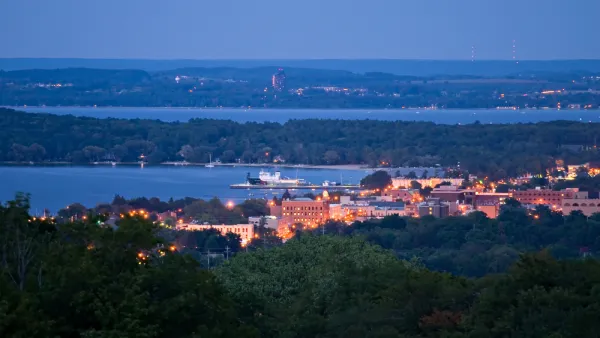
Northern Michigan's "premier summer resort town" finds itself embroiled in a heated development controversy, reflecting that town's changing population.
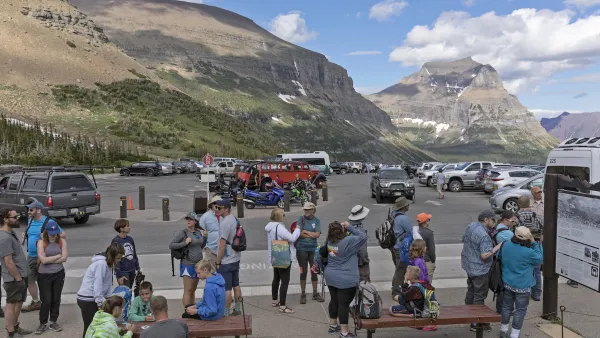
Glacier National Park drops reservation requirement, plans to double down on shuttle network
Since 2021, visitors with cars have had to make a reservation to access the park.

Planetizen Federal Action Tracker
A weekly monitor of how Trump’s orders and actions are impacting planners and planning in America.

California plans to bury El Niño’s downpour
If the state plays its cards right, it may be able to store a billion acre-feet of El Niño’s water in aquifers.

Desperate measures: Advocates weigh draining Lake Powell to fill Colorado River
Draining the reservoir could reduce evaporation losses by a couple hundred thousand acre-feet.

Chicago voters approve permanent festival grounds, penalty for vacant property owners
Currently, major summer and fall festivals take over public parks for weeks at a time, drawing criticism from nearby residents

NYC votes to cut outdoor dining red tape, speed up permitting
New York City also voted to allow the Department of Transportation to begin work on urgent projects before notifying elected officials.

California appears to reject Prop. 45
The proposition would have expanded the projects that qualify for a streamlined environmental review, effectively paring down the California Environmental Quality Act.

FREE Course: Walkable City 1: Why Walkability?
After describing his path towards focusing on walkability as the essence of good planning, Jeff Speck marches through his five principal reasons for making more walkable places.
Reinventing Malls: Planning Alchemy—Turning Gray Fields Into Gold
The course focuses on the opportunities and imperatives that shape reinvention of mall sites.

City of Rosemead
Rutgers University, Edward J. Bloustein School of Planning and Public Policy
One Hundred Miles
Hunter College, City University of New York (CUNY)
The Architects Foundation
University of Cincinnati Online
City of Cambridge
Montrose County
The Pocatello Development Authority