The city is proposing a $2.1 million boost to state and county efforts aimed at converting office buildings to affordable workforce housing.



“The City of Pittsburgh announced its intention to present legislation to Pittsburgh City Council that would reappropriate $2.1 million in American Rescue Plan Act funds to a new project: converting historic office buildings into residential buildings.” According to Ollie Gratzinger, writing in Pittsburgh Magazine, “This will add to the $3 million that the commonwealth has already granted to the Urban Redevelopment Authority for this purpose.”
The city’s efforts piggyback on county and state initiatives aimed at increasing the supply of affordable housing in central parts of the city. “The proposed plan comes amid a wave of change for Downtown, which had garnered an unsafe reputation prior to the pandemic, and then suffered great economic losses during it. In a recent report, the Pittsburgh Downtown Partnership said that Downtown is still only 56% recovered from those losses as of May 2022.”
Pittsburgh’s Downtown Mobility Plan, completed by the Pittsburgh Downtown Partnership in May 2021,“offers a grand vision of an inclusive Downtown that’s safe, accessible and easy to navigate. Part of the plan includes the widening of sidewalks on Smithfield Street, which organizers say is “primed for a facelift,” as well as enhanced green infrastructure and more.”
Gratzinger points out that “Increasing residential housing Downtown, where rent prices tend to be high and unaffordable for many, has been on Mayor Ed Gainey’s agenda since he was elected; in May, he expanded the city’s inclusionary zoning district, requiring any new development with 20 units or more to designate at least 10% for low-income housing.”
FULL STORY: Proposed Legislation Could Bring Affordable Housing to Downtown’s Historic Office Buildings

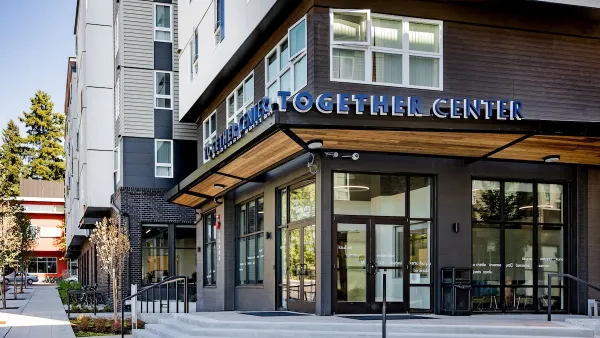
Washington Nonprofits Build Housing on Their own Offices
While affordable housing with some office space for nonprofits is relatively common, in Redmond, Washington, a group of human services organizations went the other way: they rebuilt their collective office space and added housing.
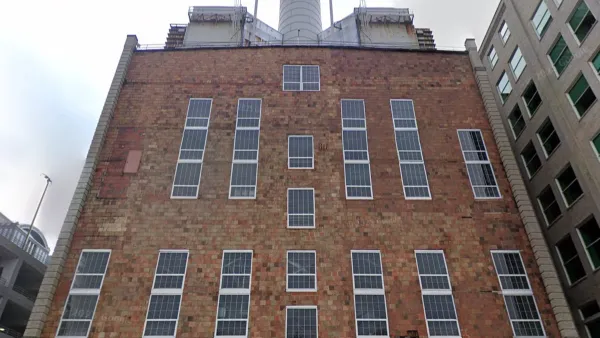
Defunct Pittsburgh Power Plant to Become Residential Tower
A decommissioned steam heat plant will be redeveloped into almost 100 affordable housing units.

Downtown Pittsburgh Set to Gain 1,300 New Housing Units
Pittsburgh’s office buildings, many of which date back to the early 20th century, are prime candidates for conversion to housing.

The state-sanctioned urbicide of Austin
People don’t kill cities. Freeways do.

US to reduce Colorado River water deliveries to Mexico
A new Colorado Treaty amendment reduces Mexico’s Colorado River water allocation by 250,000 acre feet.

New Jersey’s second-largest city bans standalone data centers
Jersey City will continue to allow co-location facilities, such as those meant for research institutions that store their own data.

Amtrak not solely to blame for New Jersey commuter rail's unreliability, report finds
A new study from the Garden State Initiative found that NJ Transit’s budget grew 20% across a 4 year period, but reliability declined significantly over the same period.

EPA erases limits on planet-warming pollution from power plants
Under Monday’s plan, power plants would still have some limits on how much mercury, arsenic and other contaminants they can emit.

Phoenix announces new on-demand transit service, more frequent RAPID buses
Both new services will launch in October, and are part of Phoenix's Project Effective Access Solutions for Easing Congestion.

FREE Course: Walkable City 1: Why Walkability?
After describing his path towards focusing on walkability as the essence of good planning, Jeff Speck marches through his five principal reasons for making more walkable places.
Reinventing Malls: Planning Alchemy—Turning Gray Fields Into Gold
The course focuses on the opportunities and imperatives that shape reinvention of mall sites.

Eagle County Government
Harvard University Graduate School of Design
Nashville Planning Department
The Architects Foundation
University of Cincinnati Online
The Pocatello Development Authority
The Urban Renewal Agency of the City of Pocatello
Journal of the American Planning Association