As part of the biannual cleaning of the city's prized River Walk, San Antonio officials removed hundreds of invasive snails from the channel.


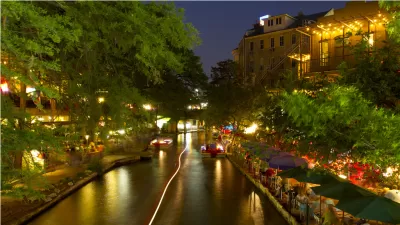
As part of the city's biannual draining of its famed River Walk, San Antonio removed trash, debris, and over 500 invasive apple snails from the river. Priscilla Aguirre reports that the baseball-sized snails "can wreak havoc on aquatic vegetation and can carry a rat lungworm parasite that can infect humans." Other invasive species in the river include the suckermouth catfish and tilapia. The city also temporarily relocates native aquatic species during the cleaning, which are later returned.
"Although the River Walk draining occurs biannualy, Jose Salazar, operations manager for the public works department, said they conduct a street sweeping operation every night in the downtown area to help keep the river clean. The city also works with local organizations that volunteer with river clean-up."
The River Walk, San Antonio's top attraction, winds through 5 miles of downtown and anchors a vibrant shopping, dining, and entertainment district. The project, which began construction in 1939, also protects the city from seasonal flooding. According to Public Works Assistant Director Nefi Garza, "While there are always interesting things to see what we pull out of the river, we want to remind folks that this is one of the most precious resources that we have."
FULL STORY: Officials removed hundreds of giant invasive snails from San Antonio River Walk


Displacement and San Antonio's 'Latino High Line'
The city is putting money into a risk mitigation fund, but activists want to see better protections for renters in a rapidly changing neighborhood.
River Walk Leans Away From Tourism in San Antonio
San Antonio's River Walk is getting a new stretch of revitalized riverfront, but it's neither the utilitarian drainage ditch of the past nor the heavily sculpted tourist attraction of recent years.

San Antonio announces $2.5 billion plan for public housing
The city’s public housing authority looks to modernize, develop and acquire at least 14,500 units.

Planetizen Federal Action Tracker
A weekly monitor of how Trump’s orders and actions are impacting planners and planning in America.

The state-sanctioned urbicide of Austin
People don’t kill cities. Freeways do.

US to reduce Colorado River water deliveries to Mexico
A new Colorado Treaty amendment reduces Mexico’s Colorado River water allocation by 250,000 acre feet.

5 New England states march closer to 800 megawatt wind energy project
Securing federal approval for the project may be complicated under the Trump administration, which has historically been hostile towards domestic wind power.

Baltimore to break ground on $50 million Transit Priority Project
The project will bring faster bus trips, safer streets and better bike connections to Baltimore.

Airbnb launches $250 million 'last-dollar financing' housing accelerator, makes first investment in Austin
The company will put $6.4 million towards affordable housing development in Texas’ capital.

FREE Course: Walkable City 1: Why Walkability?
After describing his path towards focusing on walkability as the essence of good planning, Jeff Speck marches through his five principal reasons for making more walkable places.
Reinventing Malls: Planning Alchemy—Turning Gray Fields Into Gold
The course focuses on the opportunities and imperatives that shape reinvention of mall sites.

Eagle County Government
Harvard University Graduate School of Design
Nashville Planning Department
The Architects Foundation
University of Cincinnati Online
The Pocatello Development Authority
The Urban Renewal Agency of the City of Pocatello
Journal of the American Planning Association