Everybody does, says Bill Fulton. Here's how to hone yours—and talk to people who you think don't have it.


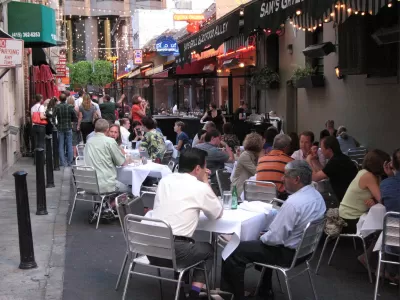
"Place" is one of the most common and ubiquitous of all human experiences. Yet most of us never think about it. Instead, we just drift from place to place every day without consciously processing the experience.
But some people are conscious about their place experience. They define their world by place. They process the place they are moving through and its components constantly. They tend to think in geographical terms — they remember who people are by remembering where they live and where they grew up. Those of us who function this way—who have what I call the "place gene"—are sometimes a little smug about it. We think that people with the place gene appreciate and know how to create great places, while everybody else just drives cluelessly around in placeless suburbia.
But maybe we’re all born with the place gene. And maybe we can all develop our sensitivity to place in way that helps us navigate the world and makes us more comfortable in it, no matter what our personal place preference is.
So here's how you can hone your place gene—and become more tolerant of those who hold different places values than you do.
Read the full story: Do You Have The Place Gene?

Visioning Edges in Cities, and the Spaces Beyond
In an inspirational essay about the undeveloped boundaries of the public domain (such as street-ends), Chuck Wolfe urges innovation in city spaces where we "blend the familiar with the edge of the unknown."
Using Urban Observation to 'Ghost-Bust' Cities
Chuck Wolfe champions urban observation, emphasizing "ghosts" that are important to the authenticity of today's urban change, like oral histories among indigenous peoples passing on cultural traditions from one generation to the next.
Reading Cities Cover to Cover, and Why
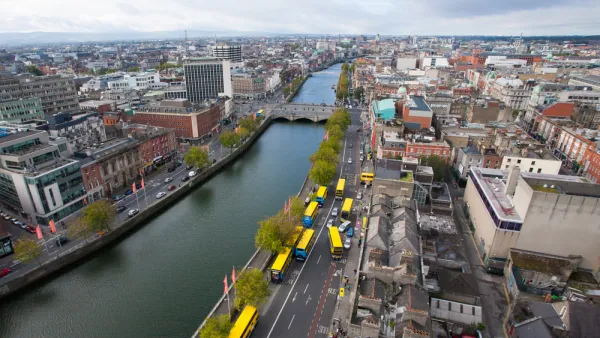
Chuck Wolfe underscores the importance of a holistic view of urban places, referencing themes of common experience, aesthetics, feelings of happiness, safety, or security—a basic narrative of the city that often goes beyond first impressions.

Planetizen Federal Action Tracker
A weekly monitor of how Trump’s orders and actions are impacting planners and planning in America.

The state-sanctioned urbicide of Austin
People don’t kill cities. Freeways do.

US to reduce Colorado River water deliveries to Mexico
A new Colorado Treaty amendment reduces Mexico’s Colorado River water allocation by 250,000 acre feet.

Nation's most wind-powered state turns to coal as data centers increase energy demand
For the first time in decades, Iowa has increased its generation of coal power.

NYC cools commuters with city's first rain garden above a bus stop
New York City officials say the plants in the rain garden can absorb 16 gallons of rainwater during heavy storms.

Brightline West’s future may rely on $6 billion federal loan
The company has until Nov. 2 to make a $400 million equity investment into its proposed high-speed rail line.

FREE Course: Walkable City 1: Why Walkability?
After describing his path towards focusing on walkability as the essence of good planning, Jeff Speck marches through his five principal reasons for making more walkable places.
Reinventing Malls: Planning Alchemy—Turning Gray Fields Into Gold
The course focuses on the opportunities and imperatives that shape reinvention of mall sites.

Greater Baltimore Committee
Eagle County Government
Harvard University Graduate School of Design
The Architects Foundation
University of Cincinnati Online
The Pocatello Development Authority
The Urban Renewal Agency of the City of Pocatello
Journal of the American Planning Association