With the decline of the fossil fuel industry and the economic effects of COVID-19 further gutting the state, Wyoming and some of its small cities are facing dire fiscal consequences.


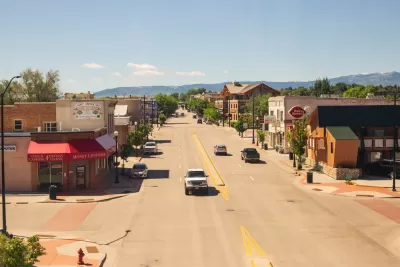
"Faced with COVID-19 and the collapse of Wyoming’s coal industry, Republican Gov. Mark Gordon said [in July] that the state might have to start abandoning small towns because there’s not enough money to maintain their sewers and streets," writes Nate Martin.
As reported in October, the city of Sundance is considering budget cuts that would defund the police—solely because the city lacks the money to pay for them.
Martin, columnist for the Casper Star-Tribune, writes this month writing to criticize one key component of the state's fiscal policy: its lack of a state income tax, and its low tax rate overall.
"Wyoming is one of nine states without an income tax. Places like Texas and Florida that lack income tax tend to have ultra-high property and sales tax rates instead. Alaska does not, only because it’s likewise dependent on mineral taxes," according to Martin.
"Along with having no personal or corporate state income tax, Wyoming also has the third lowest property tax rate in the nation and the sixth lowest sales tax rate. All of this may make residents feel special, but it means everyone depends on fossil fuels to stay healthy."
Read the full story: Wyoming needs to bite the bullet

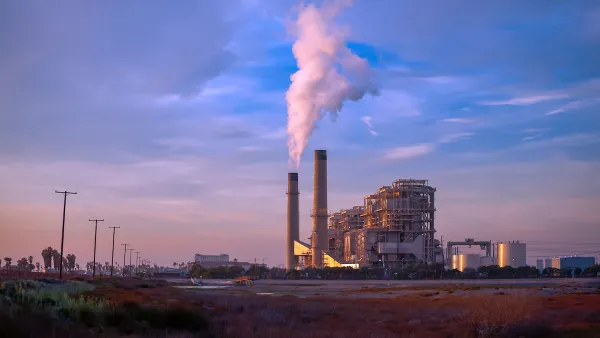
Power Plants: A Win for the EPA
New rules from the US Environmental Protection Agency to regulate greenhouse gas emissions from fossil fuel-fired power plants survived an attempt by 25 Republican-led states to block their implementation while their case is litigated.

How Tech Helps Cities Serve Residents More Effectively
Explore tech solutions enhancing urban service delivery, fostering better citizen engagement and efficiency in municipal operations.
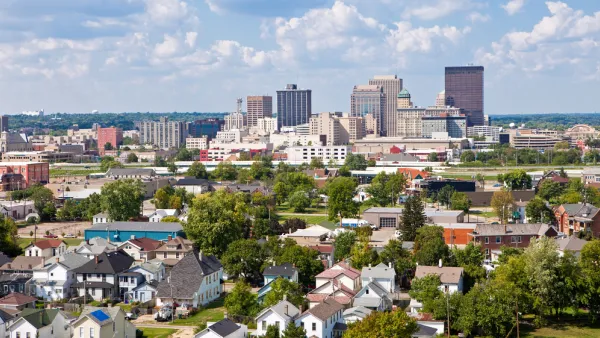
As Remote Work Persists, Ohio Cities Brace for Tax Revenue Losses
Cities like Dayton expect to see a reduction in income tax revenue as more remote workers begin paying taxes to their home jurisdictions.

Planetizen Federal Action Tracker
A weekly monitor of how Trump’s orders and actions are impacting planners and planning in America.

Amtrak, CN end decades-long dispute with eight-year agreement
The new operating agreement establishes an updated framework for the companies to work together, including processes to resolve disputes.

Judges permit Denver to divert 77,000 acre feet from the Colorado River for reservoir expansion
Overuse and climate change have caused the Colorado River’s water levels to plummet.

NYC DOT wants faster, more permanent street upgrades
The city is examining ways to build more concrete infrastructure without getting entangled in 'decades-long' projects.

'Something we’ve never seen before:' rising utility rates could strain city finances nationwide
Data centers, climate change and other factors have caused utility rates in the United States to increase by 38% since 2020.

Trump to overrule local leaders, lease millions of acres of America’s Pacific Island territories’ seafloors to mining companies
International law says that the Indigenous people of America’s territories have a right to prior and informed consent regarding projects that impact their countries.

FREE Course: Walkable City 1: Why Walkability?
After describing his path towards focusing on walkability as the essence of good planning, Jeff Speck marches through his five principal reasons for making more walkable places.
Reinventing Malls: Planning Alchemy—Turning Gray Fields Into Gold
The course focuses on the opportunities and imperatives that shape reinvention of mall sites.

Harvard University Graduate School of Design
KFH Group Inc.
Greater Baltimore Committee
The Architects Foundation
University of Cincinnati Online
The Pocatello Development Authority
The Urban Renewal Agency of the City of Pocatello