A court ruling means a state law intended to spur affordable housing development by providing incentives for the sale of surplus public land will apply equally in every city in California.


"Cities in California must comply with a state law that requires them to make surplus public land available for low-cost housing, a state appeals court ruled Tuesday," reports Bob Egelko.
"The court overturned a judge’s decision that would have allowed the city of San Jose to enforce a local ordinance that has less-stringent low-cost housing requirements, and more exemptions, than the state law," adds Egelko.
According to the article, the ruling will apply to the 121 charter cities in the state. The law in question was approved by the state and 1982 and strengthened in 2014. "It says local governments that own land or property they no longer need must offer it to developers that agree to make at least 25% of the housing units affordable for sale or rent by low-income households for at least 55 years."
FULL STORY: Court says San Jose can’t make its own rules when it comes to housing

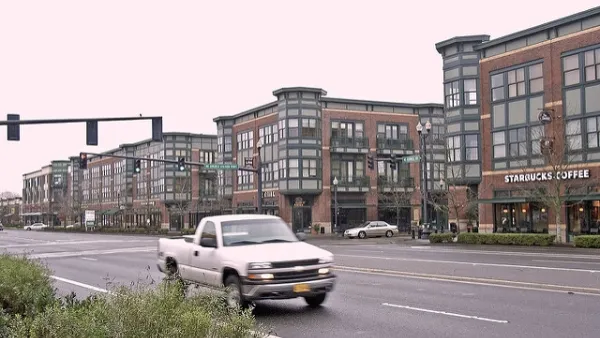
What Made It Possible for Oregon to End Single-Family Zoning?
Factors beyond political chance played into Oregon's recent decision to legalize missing middle housing. One key point: the state was already halfway there.

Does every planner need an AI policy?
From a hundred-person agency to a one-person consultancy, the answer is yes. The difference is what “policy" means.
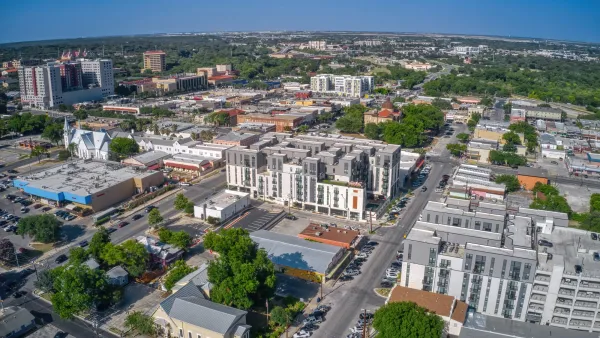
Texas town's data center ban challenged by state senator
In June, San Marcos became the first city in Texas to prohibit data centers.

Planetizen Federal Action Tracker
A weekly monitor of how Trump’s orders and actions are impacting planners and planning in America.

The state-sanctioned urbicide of Austin
People don’t kill cities. Freeways do.

US to reduce Colorado River water deliveries to Mexico
A new Colorado Treaty amendment reduces Mexico’s Colorado River water allocation by 250,000 acre feet.

Baltimore to break ground on $50 million Transit Priority Project
The project will bring faster bus trips, safer streets and better bike connections to Baltimore.

Airbnb launches $250 million 'last-dollar financing' housing accelerator, makes first investment in Austin
The company will put $6.4 million towards affordable housing development in Texas’ capital.

Guerilla urbanists are building DIY bus stop benches in Chicago
A before-and-after of one of the bus stops with a new bench. The new benches are not officially sanctioned or permitted, but the residents who placed them hope they will be the start of a network of DIY benches across the city.

FREE Course: Walkable City 1: Why Walkability?
After describing his path towards focusing on walkability as the essence of good planning, Jeff Speck marches through his five principal reasons for making more walkable places.
Reinventing Malls: Planning Alchemy—Turning Gray Fields Into Gold
The course focuses on the opportunities and imperatives that shape reinvention of mall sites.

Eagle County Government
Harvard University Graduate School of Design
Nashville Planning Department
The Architects Foundation
University of Cincinnati Online
The Pocatello Development Authority
The Urban Renewal Agency of the City of Pocatello
Journal of the American Planning Association