Industry experts believe that 5G networks will allow trucking fleets to send more data and video from individual trucks to fleet managers.


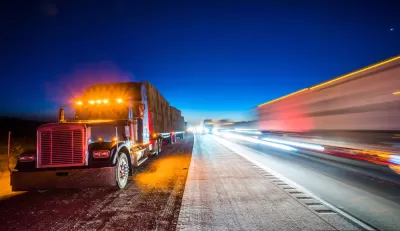
As vehicle miles traveled (VMT) rise around the country, not all of that travel is attributable to personal demand. "Much of that traffic can be attributed to commercial vehicles as the need for cargo and delivery services is also on the rise," Erin Cave writes for Fleet Owner. In a world of increased congestion, fleet operators also see new technologies changing the way they do business.
Cave highlights how 5G networks will change the amount of data that can be shared from and between fleets on the road—not only communicating location of vehicles and weather or road conditions, but also data heavy information like video. The introduction of more video has implications both for fleet operators and for transportation officials. "Smart analysis of video data that provides details of exact speed, timing, position and location of accidents helps to prevent similar accidents from happening in the future," Cave reports.
FULL STORY: The future of improved road safety

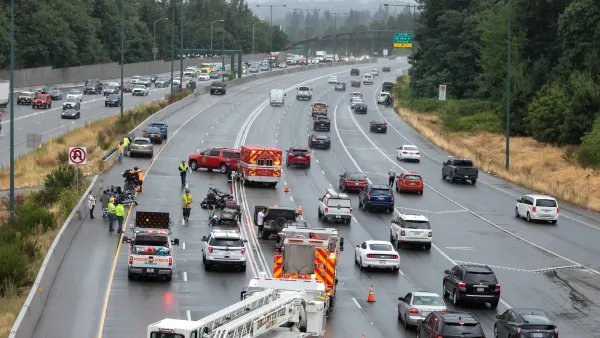
Commentary: Counting Road Deaths by VMT Minimizes the Harm and Normalizes Traffic Violence
When measured per capita, traffic fatalities in the United States far outstrip those in peer countries.
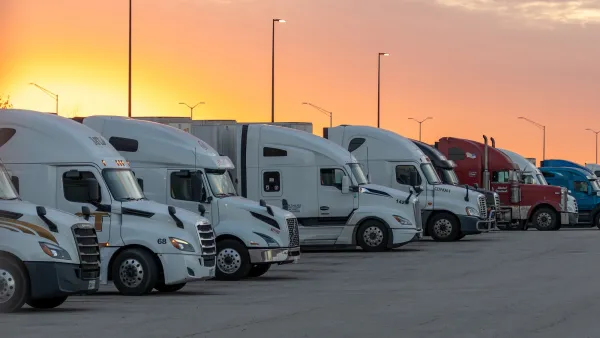
New Federal Rules Require Comprehensive State Plans for Truck Parking
States will now have to inventory and account for truck parking facilities on freight corridors.
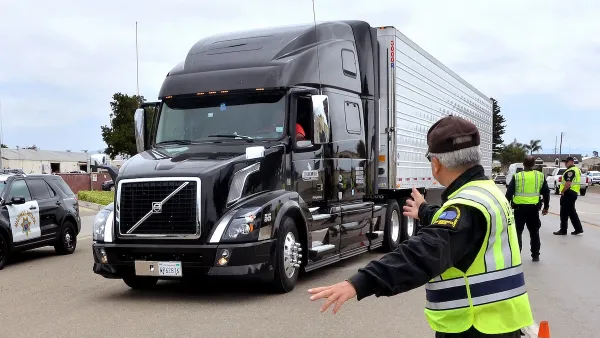
USDOT Threatens to Bar California From Issuing Trucking Licenses
In the wake of three fatal crashes involving immigrant truck drivers, Transportation Secretary Duffy says the department could pull $160 million in funding and bar the state from issuing new licenses.

The state-sanctioned urbicide of Austin
People don’t kill cities. Freeways do.

US to reduce Colorado River water deliveries to Mexico
A new Colorado Treaty amendment reduces Mexico’s Colorado River water allocation by 250,000 acre feet.

New Jersey’s second-largest city bans standalone data centers
Jersey City will continue to allow co-location facilities, such as those meant for research institutions that store their own data.

Amtrak not solely to blame for New Jersey commuter rail's unreliability, report finds
A new study from the Garden State Initiative found that NJ Transit’s budget grew 20% across a 4 year period, but reliability declined significantly over the same period.

EPA erases limits on planet-warming pollution from power plants
Under Monday’s plan, power plants would still have some limits on how much mercury, arsenic and other contaminants they can emit.

Phoenix announces new on-demand transit service, more frequent RAPID buses
Both new services will launch in October, and are part of Phoenix's Project Effective Access Solutions for Easing Congestion.

FREE Course: Walkable City 1: Why Walkability?
After describing his path towards focusing on walkability as the essence of good planning, Jeff Speck marches through his five principal reasons for making more walkable places.
Reinventing Malls: Planning Alchemy—Turning Gray Fields Into Gold
The course focuses on the opportunities and imperatives that shape reinvention of mall sites.

Eagle County Government
Harvard University Graduate School of Design
Nashville Planning Department
The Architects Foundation
University of Cincinnati Online
The Pocatello Development Authority
The Urban Renewal Agency of the City of Pocatello
Journal of the American Planning Association