Houses are in high demand and prices have soared since Amazon announced a new headquarters would be located in Arlington County, Virginia. The buyers, however, are not new Amazon workers.


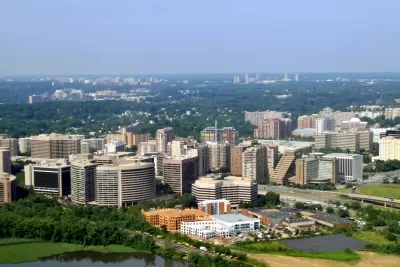
"The latest evidence that the impending arrival of Amazon’s second North American headquarters has ignited a real estate frenzy came last week when the real estate brokerage Redfin calculated that the two housing markets bracketing Crystal City, the new home for Amazon’s multiple offices, are the most competitive housing markets in the nation," reports Patricia Sullivan.
But, she says, the buyers are not the first wave of Amazon employees. Instead, the housing shortage and high prices are the result of current Washington-area residents purchasing properties—investors as well as renters who want to purchase before the new Amazon workers arrive. However, the tight housing market means that many new homebuyers are finding it difficult to compete with investors who can make cash offers and close deals quickly.
The current situation also reflects bigger housing issues in the Washington metropolitan area, notes Sullivan. "What’s happening here is a result of the housing affordability and availability crisis, said Terry Clower, director of George Mason’s Center for Regional Analysis."
FULL STORY: Area residents, not Amazon newcomers, are fueling Northern Virginia real estate frenzy, agents say

U.S. Housing Prices Continue Record-Breaking Pace
July marked four straight months of record-breaking increases for housing prices nationwide, according to the latest housing market data.
Berlin Voters Want to Expropriate 240,000 Apartments
A potentially watershed vote in the German capital.
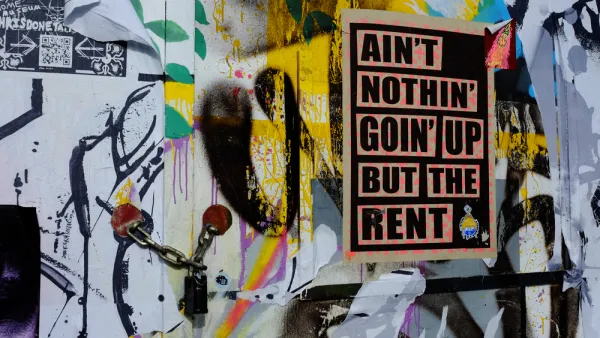
Tight For-Sale Market Leads to Record Price Spikes in the Rental Market
A supply-demand imbalance in the for-sale housing market will eventually spill into the rental market.

The state-sanctioned urbicide of Austin
People don’t kill cities. Freeways do.

US to reduce Colorado River water deliveries to Mexico
A new Colorado Treaty amendment reduces Mexico’s Colorado River water allocation by 250,000 acre feet.

New Jersey’s second-largest city bans standalone data centers
Jersey City will continue to allow co-location facilities, such as those meant for research institutions that store their own data.

Amtrak not solely to blame for New Jersey commuter rail's unreliability, report finds
A new study from the Garden State Initiative found that NJ Transit’s budget grew 20% across a 4 year period, but reliability declined significantly over the same period.

EPA erases limits on planet-warming pollution from power plants
Under Monday’s plan, power plants would still have some limits on how much mercury, arsenic and other contaminants they can emit.

Phoenix announces new on-demand transit service, more frequent RAPID buses
Both new services will launch in October, and are part of Phoenix's Project Effective Access Solutions for Easing Congestion.

FREE Course: Walkable City 1: Why Walkability?
After describing his path towards focusing on walkability as the essence of good planning, Jeff Speck marches through his five principal reasons for making more walkable places.
Reinventing Malls: Planning Alchemy—Turning Gray Fields Into Gold
The course focuses on the opportunities and imperatives that shape reinvention of mall sites.

Eagle County Government
Harvard University Graduate School of Design
Nashville Planning Department
The Architects Foundation
University of Cincinnati Online
The Pocatello Development Authority
The Urban Renewal Agency of the City of Pocatello
Journal of the American Planning Association