Residents of Columbia Heights in Washington, D.C. have been using property owned by D.C. Metro as a dog park. The District might buy the land to ensure it stays that way.


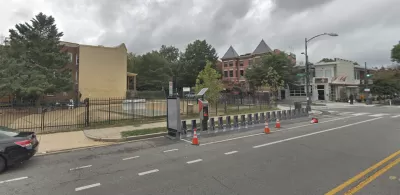
The District of Columbia is prepared to spend over $2 million to save a beloved dog park in Columbia Heights.
Marissa J. Lang reports on the ongoing saga of a dog park in the Columbia Heights neighborhood of Washington, D.C. that looks like it has been saved from the brink of extinction.
The dog run’s days seemed numbered earlier this year when a big, red “for sale” sign went up in Columbia Heights.
But this week, dog park advocates got some welcome — and unexpected — news: The District might be able to save the park after all. Metro, which owns the land that has functioned as an unofficial dog park since 2009, agreed this week to take the parcel off the market and let the District buy the land at “fair market value.”
Metro seems on board with the idea now, after it seemed like $2.1 million wasn't going to be enough, and a deal has been predicted before the end of the year.
FULL STORY: A $2.1 million parcel of D.C. land is on track to go to the dogs

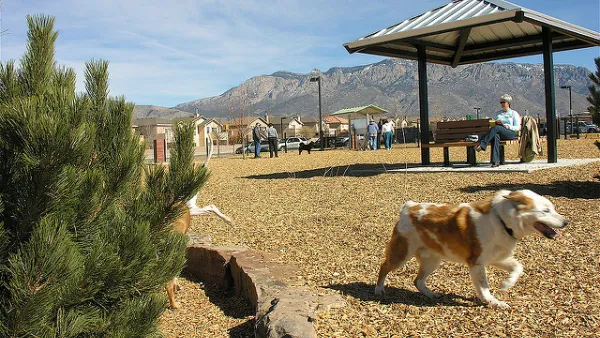
Opinion: Dog Parks Aren't a Priority in a Housing Crisis
"Should DC spend about $2 million on a parcel of land in Columbia Heights to build a dog park?"

D.C. Tops the 2021 ParkScore List
The Trust for Public Land has published the most recent version of its annual ranking of parks and open space. A new twist for 2021includes a new metric to consider equity.
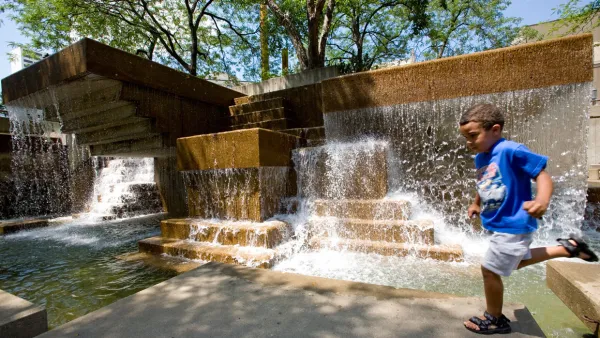
2020 ParkScore Ranks Minneapolis at the Top
The need for access to parks and open space has never been as obvious, or as pressing.

Planetizen Federal Action Tracker
A weekly monitor of how Trump’s orders and actions are impacting planners and planning in America.

The state-sanctioned urbicide of Austin
People don’t kill cities. Freeways do.

US to reduce Colorado River water deliveries to Mexico
A new Colorado Treaty amendment reduces Mexico’s Colorado River water allocation by 250,000 acre feet.

Baltimore to break ground on $50 million Transit Priority Project
The project will bring faster bus trips, safer streets and better bike connections to Baltimore.

Airbnb launches $250 million 'last-dollar financing' housing accelerator, makes first investment in Austin
The company will put $6.4 million towards affordable housing development in Texas’ capital.

Guerilla urbanists are building DIY bus stop benches in Chicago
A before-and-after of one of the bus stops with a new bench. The new benches are not officially sanctioned or permitted, but the residents who placed them hope they will be the start of a network of DIY benches across the city.

FREE Course: Walkable City 1: Why Walkability?
After describing his path towards focusing on walkability as the essence of good planning, Jeff Speck marches through his five principal reasons for making more walkable places.
Reinventing Malls: Planning Alchemy—Turning Gray Fields Into Gold
The course focuses on the opportunities and imperatives that shape reinvention of mall sites.

Eagle County Government
Harvard University Graduate School of Design
Nashville Planning Department
The Architects Foundation
University of Cincinnati Online
The Pocatello Development Authority
The Urban Renewal Agency of the City of Pocatello
Journal of the American Planning Association