Housing advocates still expect controversies over the loss of parking to make room for thousands of affordable housing units.


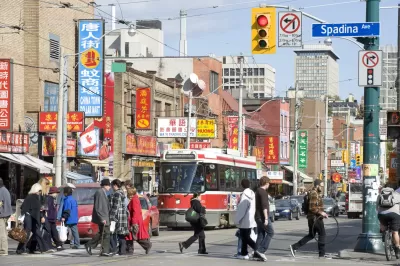
Lauren Pelley reports on the latest developments in Toronto Mayor John Tory's Housing Now initiative. Controversy looms, according to Pelley, as the initiative plans to build affordable housing on sites currently reserved for parking.
If all goes according to plan, according to a report provided to Tory's executive committee recently, construction could commence within two to four years to deliver 3,700 affordable units on 11 sites. Jennifer Pagliaro reported on the council approval of the 11 sites in December 2018.
"But with eight of the sites currently used for parking, some say blowback could be inevitable," according to Pelley. "Housing and open-data advocate Mark Richardson, who recently launched a website mapping the locations of the Housing Now sites, anticipates community and councillors' concern once there's more public awareness of the site locations."
Richardson isn't alone in this assessment. Other advocates back up his claim, and there is more than one city councilor on the record with pro-parking politics.
The Housing Now initiative has strong support from the Toronto Star editorial board, as expressed in a January 21 editorial. The editorial says, "[the] plan to develop 11 parcels of surplus land to produce thousands of new rental apartments, with some of them at more affordable rents, is an important change in city policy that should be welcomed and expanded on over time. It’s a big improvement over just selling the land to the highest bidder, all but ensuring that nothing but condominiums get built."
FULL STORY: Why parking lots could be a battleground amid mayor's push to build affordable housing


Toronto Reconsidering its Parking Requirements
Parking reform is reaching new frontiers.
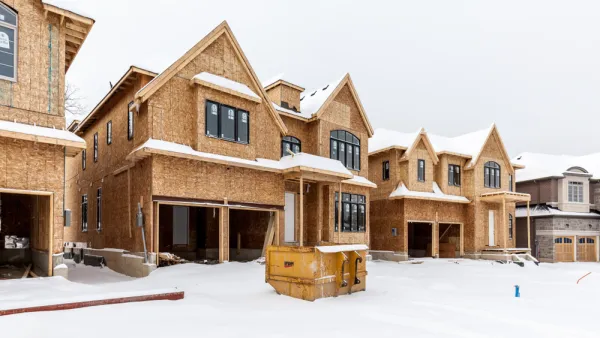
'HousingTO' Action Plan Calls for 40,000 Affordable Units in Ten Years
Questions about how Toronto will fund Mayor John Tory's ambitious affordable housing plan will be answered by the provincial and national governments.
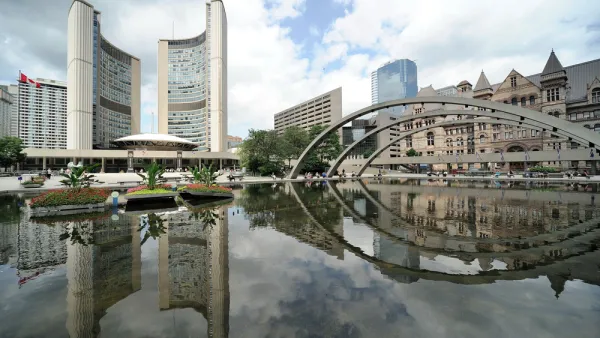
Another 989 Affordable Units on the Way in Toronto
The Housing Now program, née Open Door, is producing results in Canada's largest city.

The state-sanctioned urbicide of Austin
People don’t kill cities. Freeways do.

US to reduce Colorado River water deliveries to Mexico
A new Colorado Treaty amendment reduces Mexico’s Colorado River water allocation by 250,000 acre feet.

New Jersey’s second-largest city bans standalone data centers
Jersey City will continue to allow co-location facilities, such as those meant for research institutions that store their own data.

Amtrak not solely to blame for New Jersey commuter rail's unreliability, report finds
A new study from the Garden State Initiative found that NJ Transit’s budget grew 20% across a 4 year period, but reliability declined significantly over the same period.

EPA erases limits on planet-warming pollution from power plants
Under Monday’s plan, power plants would still have some limits on how much mercury, arsenic and other contaminants they can emit.

Phoenix announces new on-demand transit service, more frequent RAPID buses
Both new services will launch in October, and are part of Phoenix's Project Effective Access Solutions for Easing Congestion.

FREE Course: Walkable City 1: Why Walkability?
After describing his path towards focusing on walkability as the essence of good planning, Jeff Speck marches through his five principal reasons for making more walkable places.
Reinventing Malls: Planning Alchemy—Turning Gray Fields Into Gold
The course focuses on the opportunities and imperatives that shape reinvention of mall sites.

Eagle County Government
Harvard University Graduate School of Design
Nashville Planning Department
The Architects Foundation
University of Cincinnati Online
The Pocatello Development Authority
The Urban Renewal Agency of the City of Pocatello
Journal of the American Planning Association