Amazon's decision to locate half of its HQ2 location in Northern Virginia kicks the state into gear on transportation projects. More funding could potentially be on the way.


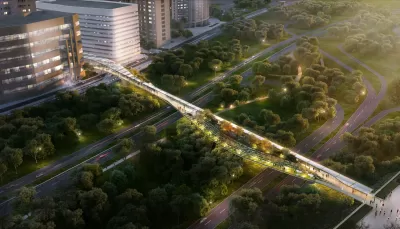
"Amazon’s arrival will mean at least $195 million in new transportation infrastructure [pdf] from Virginia, on top of the $570 million it was already planning on investing into the area," reports Chris Slatt.
But wait, there's more: "If Amazon exceeds the 25,000 job benchmark, the state will make up to another $100 million in transportation money available."
Slatt proceeds to detail each of the planned projects that will benefit from that money, with a lot more detail included in the article:
- A second entrance to the Crystal City Metro
- The originally-planned South Entrance to the Potomac Yard Metro
- Improvements to the Crystal City-Potomac Yard Transitway
- A pedestrian bridge between Crystal City and National Airport
- Converting Route 1 into an urban boulevard
Read the full story: Here are 5 new infrastructure projects we’ll likely get with Amazon
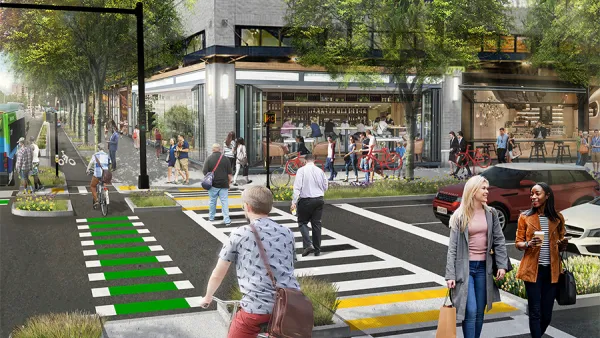
Virginia DOT's Route 1 Plans Might Upset Amazon's Vision for National Landing
The National Landing BID this week launched a "People Over Cars" awareness campaign in response to the Virginia Department of Transportation's plans for Route 1 in Northern Virginia.

New Amazon HQ2 Renderings Reveal a Futuristic Look for Northern Virginia
Renderings for the second phase of Amazon's second headquarters in Northern Virginia grabbed a lot of attention today.
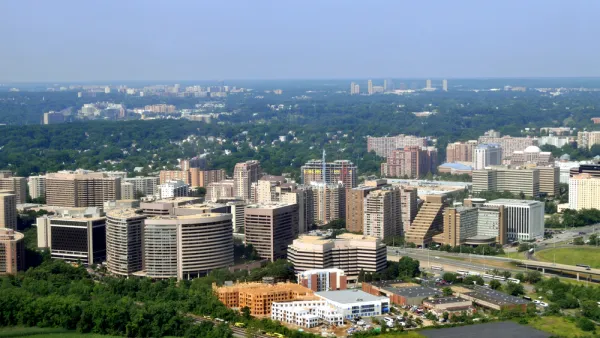
New Virginia Tech 'Innovation Campus' Helped Woo Amazon to Arlington
According to an announcement by Virginia Tech yesterday, their plans to build a $1 billion innovation campus in nearby Alexandria helped win the HQ2 prize for Northern Virginia.

Planetizen Federal Action Tracker
A weekly monitor of how Trump’s orders and actions are impacting planners and planning in America.

California plans to bury El Niño’s downpour
If the state plays its cards right, it may be able to store a billion acre-feet of El Niño’s water in aquifers.

Desperate measures: Advocates weigh draining Lake Powell to fill Colorado River
Draining the reservoir could reduce evaporation losses by a couple hundred thousand acre-feet.

Chicago voters approve permanent festival grounds, penalty for vacant property owners
Currently, major summer and fall festivals take over public parks for weeks at a time, drawing criticism from nearby residents

NYC votes to cut outdoor dining red tape, speed up permitting
New York City also voted to allow the Department of Transportation to begin work on urgent projects before notifying elected officials.

California appears to reject Prop. 45
The proposition would have expanded the projects that qualify for a streamlined environmental review, effectively paring down the California Environmental Quality Act.

FREE Course: Walkable City 1: Why Walkability?
After describing his path towards focusing on walkability as the essence of good planning, Jeff Speck marches through his five principal reasons for making more walkable places.
Reinventing Malls: Planning Alchemy—Turning Gray Fields Into Gold
The course focuses on the opportunities and imperatives that shape reinvention of mall sites.

City of Rosemead
Rutgers University, Edward J. Bloustein School of Planning and Public Policy
One Hundred Miles
Hunter College, City University of New York (CUNY)
The Architects Foundation
University of Cincinnati Online
City of Cambridge
Montrose County
The Pocatello Development Authority