Development continues to encroach on agricultural land around the United States. A new study shows exactly how much agricultural land has been developed.


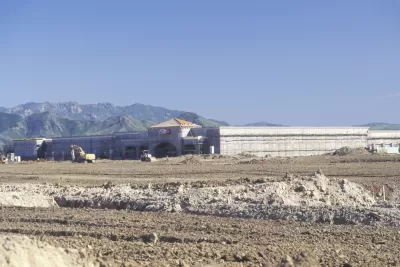
"American Farmland Trust, which since 1980 has been attempting to save agricultural land in the U.S., has compiled a huge assessment of the movement of farmland between 1992 and 2012," according to an article by Dan Nosowitz.
The "Farms Under Threat" report finds multiple causes for the decline of agricultural land, including the relatively low earnings associated with the agricultural industry and the value of the land, "especially if that farmland is near a city or town." A lack of available land for farmers is also creating an obstacle for new farmers, according to the National Young Farmers Coalition.
The article includes a list of some of the "scary" findings of the report. The headline reads that the United States lost 31 million acres of farmland to development, in total, between 1992 and 2012, which comes out to175 acres per hour, or 3 acres per minute.
FULL STORY: 10 Numbers That Show How Much Farmland We’re Losing to Development

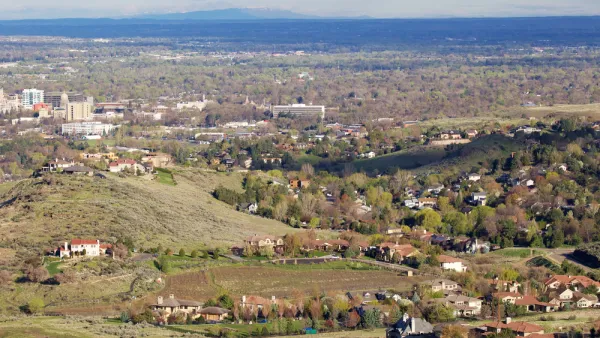
Different Approaches to Fast Growth in Idaho's Treasure Valley
Three cities on the periphery of the fast-growing Treasure Valley showcase different approaches to a sudden influx of newcomers.
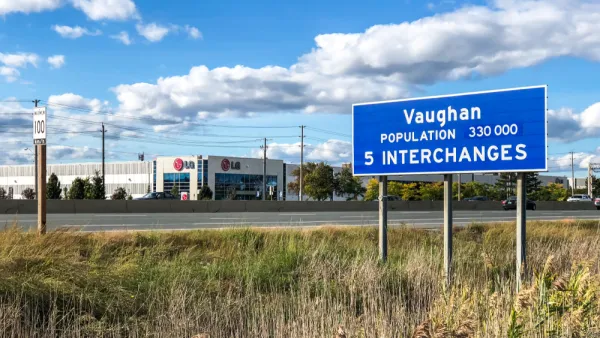
Council Votes to Allow Development on the York Region's Greenbelt
The York Regional Council took a significant step toward allowing development on a large chunk of the area's greenbelt—a move opponents say will set a dangerous precedent.
The Forgotten Treasure in Western Land
Will the arid West’s farms and settlements thrive for another century? Better conservation policy should take a longer view.

Planetizen Federal Action Tracker
A weekly monitor of how Trump’s orders and actions are impacting planners and planning in America.

The state-sanctioned urbicide of Austin
People don’t kill cities. Freeways do.

US to reduce Colorado River water deliveries to Mexico
A new Colorado Treaty amendment reduces Mexico’s Colorado River water allocation by 250,000 acre feet.

5 New England states march closer to 800 megawatt wind energy project
Securing federal approval for the project may be complicated under the Trump administration, which has historically been hostile towards domestic wind power.

Baltimore to break ground on $50 million Transit Priority Project
The project will bring faster bus trips, safer streets and better bike connections to Baltimore.

Airbnb launches $250 million 'last-dollar financing' housing accelerator, makes first investment in Austin
The company will put $6.4 million towards affordable housing development in Texas’ capital.

FREE Course: Walkable City 1: Why Walkability?
After describing his path towards focusing on walkability as the essence of good planning, Jeff Speck marches through his five principal reasons for making more walkable places.
Reinventing Malls: Planning Alchemy—Turning Gray Fields Into Gold
The course focuses on the opportunities and imperatives that shape reinvention of mall sites.

Eagle County Government
Harvard University Graduate School of Design
Nashville Planning Department
The Architects Foundation
University of Cincinnati Online
The Pocatello Development Authority
The Urban Renewal Agency of the City of Pocatello
Journal of the American Planning Association