Some might have thought that a great "urban reset" was sure to follow the foreclosure crisis and Great Recession in 2008. Some think an "urban reset" is still sure to come.


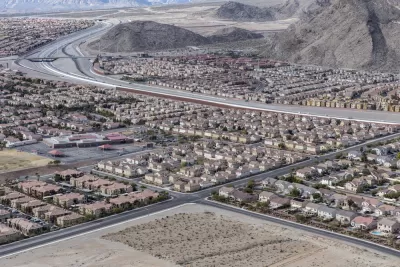
Kevin Adams predicts a major "urban reset" is on the horizon in the United States. Writing for the Congress for the New Urbanism (CNU), Adams predicts that organization and its members have been preparing for the next urban reset through mechanisms like form-based codes and neo-traditional neighborhoods. The question Adams raises is whether CNU is prepared for the next great reset.
Before answering the question, Adams provides a history of American resets, starting with the Jeffersonian period before the Industrial Revolution and continuing on to the Mid-20th Century switch to Modernism. Adams predicts the next urban reset is due soon because of modernism's destructive economic tendencies, and when it arrives, he warns of two of threats to the future resembling on that might resemble the Congress for the New Urbanism's vision for the future. As for that vision, Adams writes, "Jefferson’s 1795 Land Ordinance is instructive for the next reset, not in its details but rather in its broad strokes."
FULL STORY: The next great urban reset

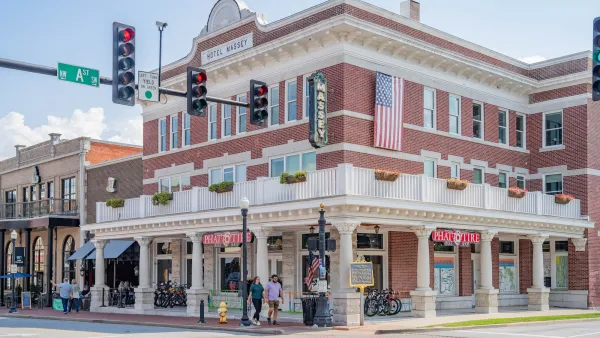
A New Urbanist’s roadtrip guide to Northwest Arkansas
Heading to the CNU conference next month? A Northwest Arkansas urban planner has custom designed a roadtrip just for you.
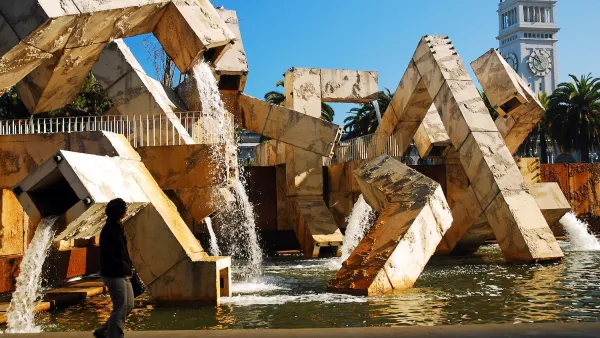
San Francisco to Dismantle its Polarizing Brutalist Fountain
The Vaillancourt Fountain stands as a symbol of the tension between the city’s past and future.
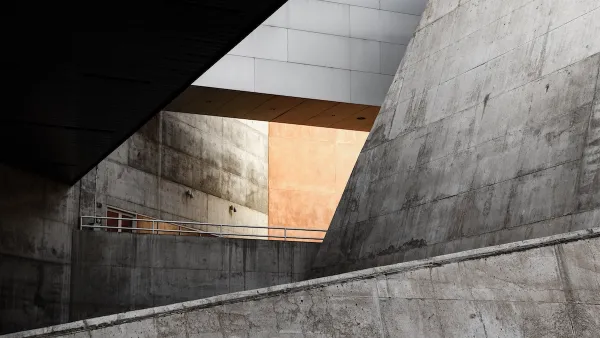
What ‘The Brutalist’ Teaches Us About Modern Cities
How architecture and urban landscapes reflect the trauma and dysfunction of the post-war experience.

Planetizen Federal Action Tracker
A weekly monitor of how Trump’s orders and actions are impacting planners and planning in America.

The state-sanctioned urbicide of Austin
People don’t kill cities. Freeways do.

US to reduce Colorado River water deliveries to Mexico
A new Colorado Treaty amendment reduces Mexico’s Colorado River water allocation by 250,000 acre feet.

Airbnb launches $250 million 'last-dollar financing' housing accelerator, makes first investment in Austin
The company will put $6.4 million towards affordable housing development in Texas’ capital.

Guerilla urbanists are building DIY bus stop benches in Chicago
A before-and-after of one of the bus stops with a new bench. The new benches are not officially sanctioned or permitted, but the residents who placed them hope they will be the start of a network of DIY benches across the city.

Mamdani overhauls NYC's Vision Zero plan with 100 new policy goals
The overhaul aims to reduce traffic deaths and make streets safer for pedestrians, cyclists and drivers through lower speed limits, new safety infrastructure and more.

FREE Course: Walkable City 1: Why Walkability?
After describing his path towards focusing on walkability as the essence of good planning, Jeff Speck marches through his five principal reasons for making more walkable places.
Reinventing Malls: Planning Alchemy—Turning Gray Fields Into Gold
The course focuses on the opportunities and imperatives that shape reinvention of mall sites.

Eagle County Government
Harvard University Graduate School of Design
Nashville Planning Department
The Architects Foundation
University of Cincinnati Online
The Pocatello Development Authority
The Urban Renewal Agency of the City of Pocatello
Journal of the American Planning Association