The title for most toxic location in the United States goes to a remote, and perhaps surprising location.


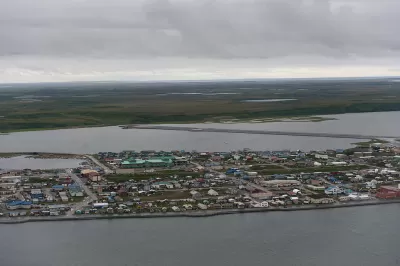
According to the EPA's Toxics Release Inventory (TRI), Kotzebue, Alaska, a city of 3,500 residents located 30 miles north of the Arctic Circle takes that dubious honor.
Justin Nobel reports: "The Alaskan town released an astonishing 756 million pounds of toxic chemicals into the environment—that’s more than the famous factory town of Gary, Indiana, the notorious mining town of Battle Mountain, Nevada, and Luling, Louisiana, located along a stretch of the Mississippi River dominated by petrochemical plants and nicknamed Cancer Alley."
Red Dog Mine, which is one of the world’s largest zinc and lead mines and located 82 miles north of Kotzebue, emits all those toxins—lead, cadmium, and mercury. "The Red Dog Mine opened in 1989 and is operated by Teck, a British Columbia-based metals and mining company. The mine is located on land owned by NANA, an Alaska Native Corporation of the Iñupiat people," adds Nobel.
Read the full story: America’s Most Toxic Town Is Not Where You Think

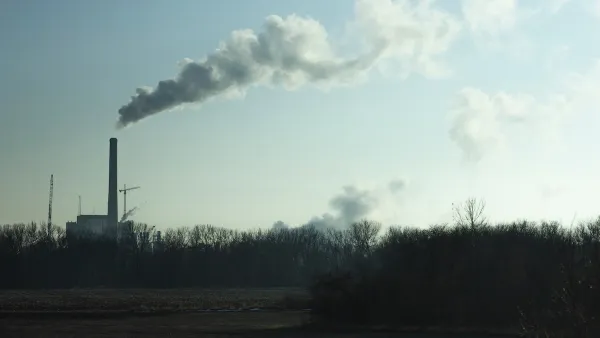
Nation's most wind-powered state turns to coal as data centers increase energy demand
For the first time in decades, Iowa has increased its generation of coal power.
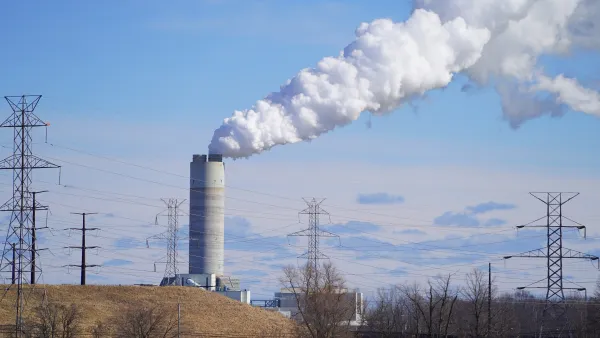
EPA erases limits on planet-warming pollution from power plants
Under Monday’s plan, power plants would still have some limits on how much mercury, arsenic and other contaminants they can emit.
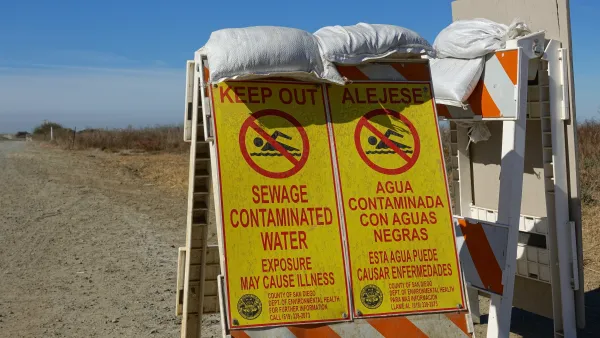
San Diego County to build treatment plant for Tijuana River sewage pollution crisis
The river has carried millions of gallons of untreated sewage into San Diego’s South Bay region.

Planetizen Federal Action Tracker
A weekly monitor of how Trump’s orders and actions are impacting planners and planning in America.

The state-sanctioned urbicide of Austin
People don’t kill cities. Freeways do.

US to reduce Colorado River water deliveries to Mexico
A new Colorado Treaty amendment reduces Mexico’s Colorado River water allocation by 250,000 acre feet.

Nation's most wind-powered state turns to coal as data centers increase energy demand
For the first time in decades, Iowa has increased its generation of coal power.

NYC cools commuters with city's first rain garden above a bus stop
New York City officials say the plants in the rain garden can absorb 16 gallons of rainwater during heavy storms.

Brightline West’s future may rely on $6 billion federal loan
The company has until Nov. 2 to make a $400 million equity investment into its proposed high-speed rail line.

FREE Course: Walkable City 1: Why Walkability?
After describing his path towards focusing on walkability as the essence of good planning, Jeff Speck marches through his five principal reasons for making more walkable places.
Reinventing Malls: Planning Alchemy—Turning Gray Fields Into Gold
The course focuses on the opportunities and imperatives that shape reinvention of mall sites.

.jpg)
Greater Baltimore Committee
Eagle County Government
Harvard University Graduate School of Design
The Architects Foundation
University of Cincinnati Online
The Pocatello Development Authority
The Urban Renewal Agency of the City of Pocatello
Journal of the American Planning Association