In the interest of preserving affordable supply, the District can purchase apartment buildings that would otherwise sell to private developers.


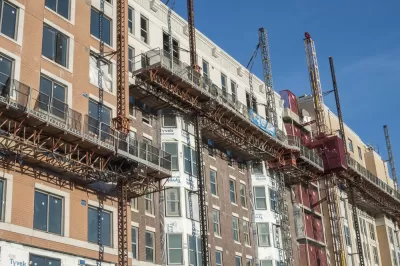
In Washington, D.C., tenants can prevent the sale of an apartment building by banding together to buy it themselves. The Tenant Opportunity to Purchase Act (TOPA) is D.C.'s "best known tenant protection legislation," Carolyn Gallaher writes. But it also has a lesser known sibling that has never been used: the District Opportunity to Purchase Act (DOPA).
"It was designed as a safety net for TOPA. If tenants could not make TOPA work, the city could refuse the sale and preserve the building as affordable housing. In other words, if the tenants' attempt (TOPA) fails, the District (DOPA) would step in and act like a tenant association would: strike a bargain with a developer and preserve some affordable homes."
DOPA passed in 2008, but officials are only now writing implementation regulations. In Greater Greater Washington, Gallaher outlines the different ways the law could play out—covering what might merit public intervention in a building sale, whether the city would partner with a developer or become the building's landlord, and more.
FULL STORY: Passed in 2008, this affordable housing law has never been used. Now DC is finally getting ready for DOPA.


California Won't Extend Eviction Moratorium
State lawmakers did not extend the state's eviction ban, which ends on September 30, putting the future of hundreds of thousands of households in jeopardy.

Rent Control Debated in the Nation's Capital
District council members and local tenant advocates are engaged in a bit of tug of war about how far the District should go to limit the amount landlords can raise rents.
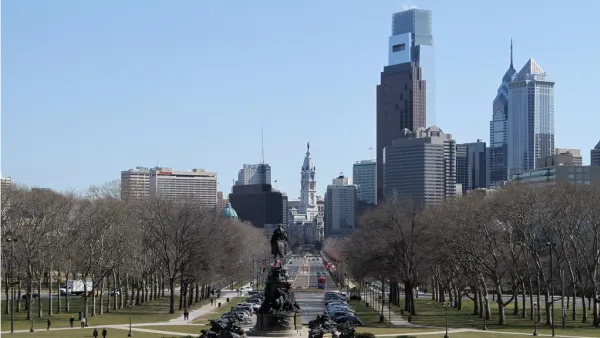
Housing on the Agenda as Philadelphia Election Approaches
In the run-up to a municipal primary scheduled for May 21, Philadelphia's City Council has introduced a range of bills to address housing affordability and tenants' rights.

Planetizen Federal Action Tracker
A weekly monitor of how Trump’s orders and actions are impacting planners and planning in America.

The state-sanctioned urbicide of Austin
People don’t kill cities. Freeways do.

US to reduce Colorado River water deliveries to Mexico
A new Colorado Treaty amendment reduces Mexico’s Colorado River water allocation by 250,000 acre feet.

5 New England states march closer to 800 megawatt wind energy project
Securing federal approval for the project may be complicated under the Trump administration, which has historically been hostile towards domestic wind power.

Baltimore to break ground on $50 million Transit Priority Project
The project will bring faster bus trips, safer streets and better bike connections to Baltimore.

Airbnb launches $250 million 'last-dollar financing' housing accelerator, makes first investment in Austin
The company will put $6.4 million towards affordable housing development in Texas’ capital.

FREE Course: Walkable City 1: Why Walkability?
After describing his path towards focusing on walkability as the essence of good planning, Jeff Speck marches through his five principal reasons for making more walkable places.
Reinventing Malls: Planning Alchemy—Turning Gray Fields Into Gold
The course focuses on the opportunities and imperatives that shape reinvention of mall sites.

Eagle County Government
Harvard University Graduate School of Design
Nashville Planning Department
The Architects Foundation
University of Cincinnati Online
The Pocatello Development Authority
The Urban Renewal Agency of the City of Pocatello
Journal of the American Planning Association