Now San Jose's tiny home village pilot project, meant to create 40 units of "sleeping cabins for homeless individuals, needs to find a neighborhood to call home.


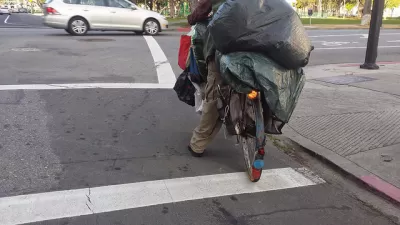
"A plan to build 'tiny homes' for San Jose’s homeless residents passed its first major test Tuesday, and now the city must answer the most difficult question — where to put these micro sleeping cabins," reports Ramona Giwargis.
So far, the city has approved a yearlong pilot program that will construct a village of 40 tiny homes. "Elected leaders by next month will come up with three potential sites for the tiny homes and eventually want to place a tiny home village in each of the city’s 10 City Council districts," explains Giwargis of that remaining, significant detail of the program.
The article includes details of the "not in my backyard" voices that gathered at the City Council hearing earlier this week to oppose the program.
The city hired architecture firm Gensler to design two prototype versions of the tiny home concept, as reported by Giwargis earlier this month. Giwargis has been tracking the project as it navigated the political system. Back in August, the city paired down the list of potential sites for a tiny home village. Giwargis included the tiny home idea in an article detailing the city's response to homelessness in June 2017.
FULL STORY: Tiny homes for San Jose’s homeless wins approval after heated debate

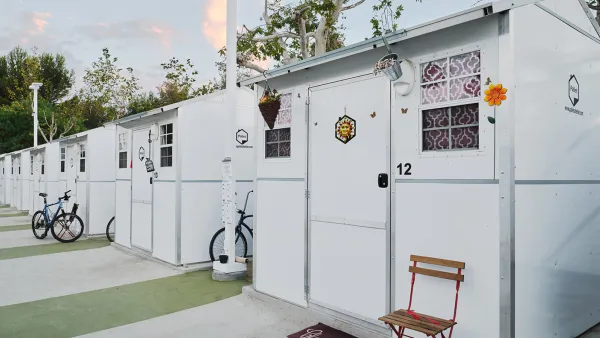
The Role of Microhousing in Ending Chronic Homelessness
Affordable, quick-build ‘tiny homes’ can serve as a key stepping stone to a permanent housing situation for people experiencing homelessness.
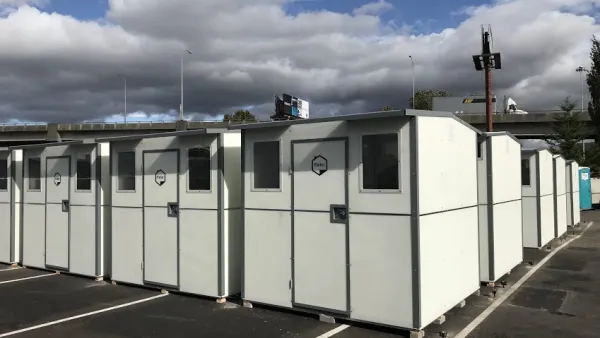
'Tiny Home Village' Fires Raise Doubts About Their Sustainability
'Tiny home villages' were touted as a quick, if temporary, solution to California's housing crisis, but a series of fires is raising concern about their safety.
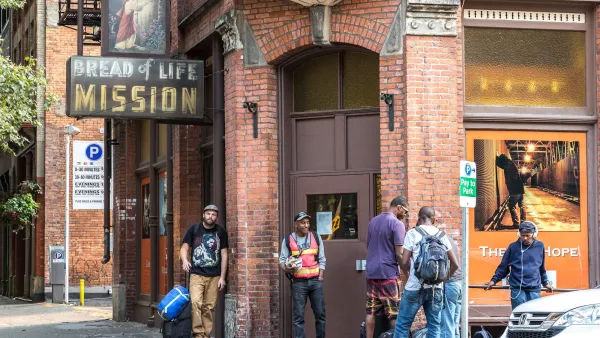
Seattle mayor pledges to build 500 shelter units by June
The Seattle Times editorial board expresses cautious optimism about the mayor's ambitious supportive housing plan.

The state-sanctioned urbicide of Austin
People don’t kill cities. Freeways do.

US to reduce Colorado River water deliveries to Mexico
A new Colorado Treaty amendment reduces Mexico’s Colorado River water allocation by 250,000 acre feet.

New Jersey’s second-largest city bans standalone data centers
Jersey City will continue to allow co-location facilities, such as those meant for research institutions that store their own data.

Amtrak not solely to blame for New Jersey commuter rail's unreliability, report finds
A new study from the Garden State Initiative found that NJ Transit’s budget grew 20% across a 4 year period, but reliability declined significantly over the same period.

EPA erases limits on planet-warming pollution from power plants
Under Monday’s plan, power plants would still have some limits on how much mercury, arsenic and other contaminants they can emit.

Phoenix announces new on-demand transit service, more frequent RAPID buses
Both new services will launch in October, and are part of Phoenix's Project Effective Access Solutions for Easing Congestion.

FREE Course: Walkable City 1: Why Walkability?
After describing his path towards focusing on walkability as the essence of good planning, Jeff Speck marches through his five principal reasons for making more walkable places.
Reinventing Malls: Planning Alchemy—Turning Gray Fields Into Gold
The course focuses on the opportunities and imperatives that shape reinvention of mall sites.

Eagle County Government
Harvard University Graduate School of Design
Nashville Planning Department
The Architects Foundation
University of Cincinnati Online
The Pocatello Development Authority
The Urban Renewal Agency of the City of Pocatello
Journal of the American Planning Association