One of the largest landowners in the world—historically known for creating maps of the Earth—the Church doesn't yet have a cohesive understanding of its global footprint.


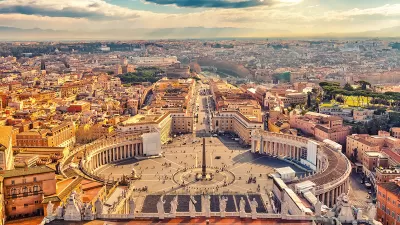
Curbed writer Timothy Schuler explores the campaign to help the Catholic Church manage its extensive global land. The effort to create an "ecological land-use map" for Catholic lands around the world is led by Goodlands, a non-profit founded by designer Molly Burhans.
The Church is estimated to have about 277,000 square miles around the world—a land area larger than France. Goodlands has taken up the unprecedented endeavor of developing a "Catholic geographic information system"—mapping jurisdictios and incorporating existing data on climate, wildlife connectivity, and more.
Armed with that data, Catholic-owned lands could take up, in a coordinated way, the imperative issued by the Pope's 2015 encyclical on environmental stewardship. For example, Burhans estimates that "if 70 percent of Catholic parishes planted an average of just three trees, it could sequester as many as 10 million pounds of carbon each year." Or, Schuler suggests, they could "use a property to enhance wildlife habitat or provide affordable housing … [or] play a role in aiding the work of environmental organizations."
FULL STORY: Mapping one of the world’s largest landowners


New Book Shows How Geographic Technology Tackles Global Challenges
In his new book, Jack Dangermond explores the transformative impact of GIS technology in solving global challenges through spatial data, highlighting its widespread application across sectors and its potential to design sustainable futures.
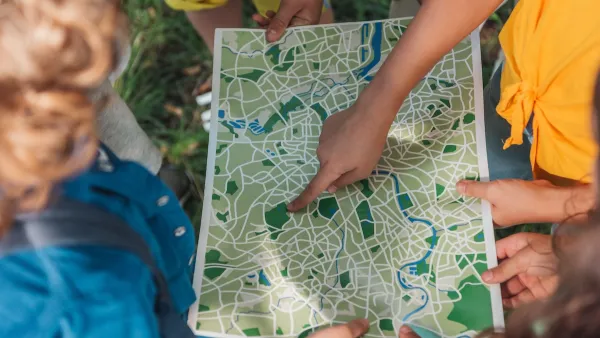
Building Healthier Communities: The Role of GIS in Park Planning
Integrating Geographic Information Systems (GIS) into park planning enhances community health by promoting physical activity, supporting mental well-being, fostering social connectedness, and addressing public health crises and climate change.
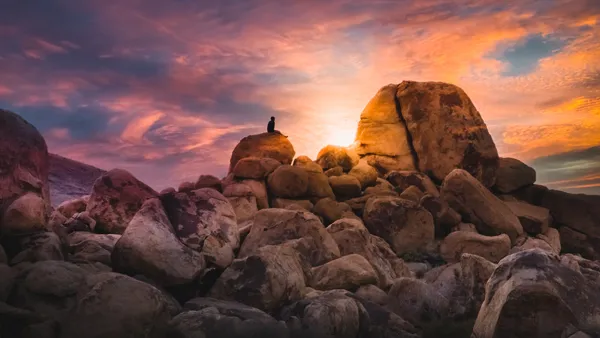
How the National Park Service Uses GIS
A new book demonstrates how the National Park Service uses GIS technology to meet its mission and showcases a selection of maps used for effectively managing national parks.

Planetizen Federal Action Tracker
A weekly monitor of how Trump’s orders and actions are impacting planners and planning in America.

The state-sanctioned urbicide of Austin
People don’t kill cities. Freeways do.

US to reduce Colorado River water deliveries to Mexico
A new Colorado Treaty amendment reduces Mexico’s Colorado River water allocation by 250,000 acre feet.

5 New England states march closer to 800 megawatt wind energy project
Securing federal approval for the project may be complicated under the Trump administration, which has historically been hostile towards domestic wind power.

Baltimore to break ground on $50 million Transit Priority Project
The project will bring faster bus trips, safer streets and better bike connections to Baltimore.

Airbnb launches $250 million 'last-dollar financing' housing accelerator, makes first investment in Austin
The company will put $6.4 million towards affordable housing development in Texas’ capital.

FREE Course: Walkable City 1: Why Walkability?
After describing his path towards focusing on walkability as the essence of good planning, Jeff Speck marches through his five principal reasons for making more walkable places.
Reinventing Malls: Planning Alchemy—Turning Gray Fields Into Gold
The course focuses on the opportunities and imperatives that shape reinvention of mall sites.

Eagle County Government
Harvard University Graduate School of Design
Nashville Planning Department
The Architects Foundation
University of Cincinnati Online
The Pocatello Development Authority
The Urban Renewal Agency of the City of Pocatello
Journal of the American Planning Association