A new airport overlay district in Sioux Falls, South Dakota has nearby homeowners crying 'taking!' Airport officials say, 'All we're trying to do is make sure we have good neighbors.'


"The new regulation, pushed by the board that runs the airport and approved by the City Council last spring, requires residents to sign a special easement to get a building permit. That's causing headaches for homeowners planning even small tasks such as putting in a new fence. Worse than that, critics say, the agreement also takes away a person's right to sue the airport over noise or pollution.
Airport managers say the easements are a "pre-emptive strike" meant to protect the site from the kind of lawsuits filed in other parts of the country. City officials note they are scaling back some of the more strict elements, including requiring easements for small improvements.
But some property owners in the area question at least the wisdom of the easements, while others challenge the very legality of the concept.
"It's a taking. It's stealing. Call it whatever you want," said Jon Schmidt, a vice president with Habitat for Humanity of Greater Sioux Falls, a nonprofit group that owns several parcels in the area."
Read the full story: New rules burden landowners


Regional Plan Association Recommends Closing One Airport, Expanding Others Near New York
The total cost of the recommendations from a new report on the future of air travel in the New York region: $50.8 billion over 40 years.

Topics Planners Don't Often Think About, But Should
There are a number of areas of planning that offer planners a role, but are not necessarily at the front of our minds. At the Association of Collegiate Schools of Planning Conference, researchers shared results that can impact practice.
Moses, Reprised: An Ambitious Plan for Expanding LaGuardia Airport
John Leland provides coverage of a big idea by Jim Venturi, the son of architects Denise Scott Brown and Robert Venturi, for the renovation and expansion of LaGuardia International Airport in New York.

Planetizen Federal Action Tracker
A weekly monitor of how Trump’s orders and actions are impacting planners and planning in America.

The state-sanctioned urbicide of Austin
People don’t kill cities. Freeways do.

US to reduce Colorado River water deliveries to Mexico
A new Colorado Treaty amendment reduces Mexico’s Colorado River water allocation by 250,000 acre feet.

Nation's most wind-powered state turns to coal as data centers increase energy demand
For the first time in decades, Iowa has increased its generation of coal power.
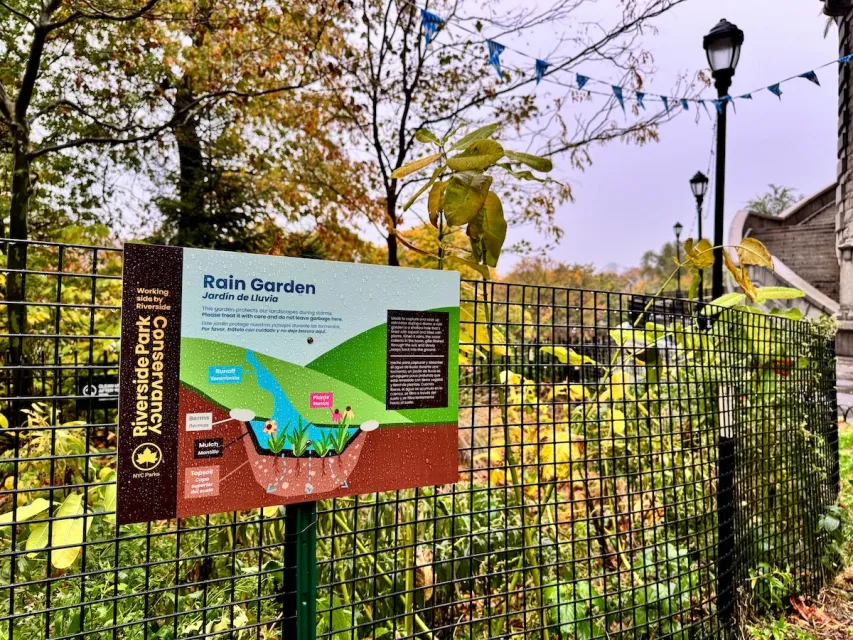
NYC cools commuters with city's first rain garden above a bus stop
New York City officials say the plants in the rain garden can absorb 16 gallons of rainwater during heavy storms.

Brightline West’s future may rely on $6 billion federal loan
The company has until Nov. 2 to make a $400 million equity investment into its proposed high-speed rail line.

FREE Course: Walkable City 1: Why Walkability?
After describing his path towards focusing on walkability as the essence of good planning, Jeff Speck marches through his five principal reasons for making more walkable places.
Reinventing Malls: Planning Alchemy—Turning Gray Fields Into Gold
The course focuses on the opportunities and imperatives that shape reinvention of mall sites.

Greater Baltimore Committee
Eagle County Government
Harvard University Graduate School of Design
The Architects Foundation
University of Cincinnati Online
The Pocatello Development Authority
The Urban Renewal Agency of the City of Pocatello
Journal of the American Planning Association