Land Use
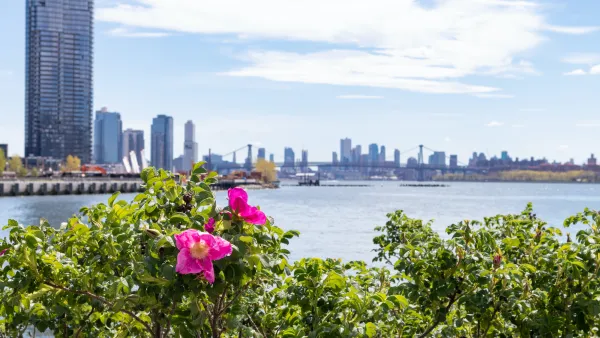
The Built Environment in 2022: Challenges and Opportunities
As climate change, the pandemic, and a historic housing crisis continue to impact the nation, experts weigh in on the issues that could shape the future of the built environment in 2022.
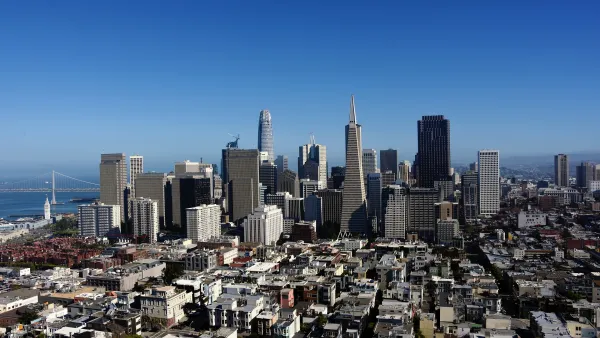
San Francisco's 1971 Urban Design Plan Echoes Today's Concerns
A 1971 effort to quantify the city's values and design goals reflects many of the same priorities that planners and residents face today.
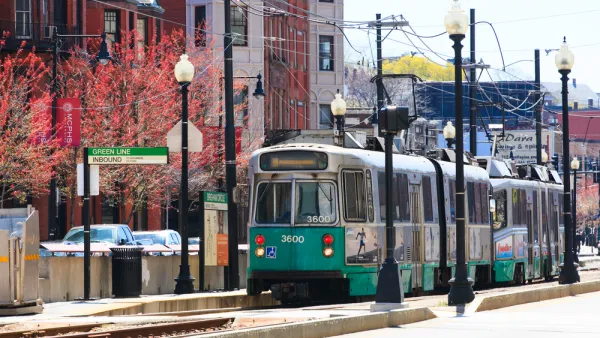
New Transit Oriented Zoning Criteria Proposed for Massachusetts
More details on the state of Massachusetts' game changing "Housing Choice" program are now available.
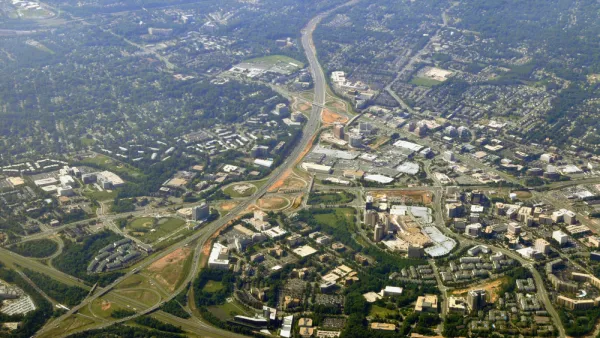
Rethinking Retail Space in the Wake of COVID-19
As e-commerce boomed and people sought outdoor shopping and dining options, the pandemic accelerated the decline of massive, merchandise-oriented retail spaces and indoor malls.
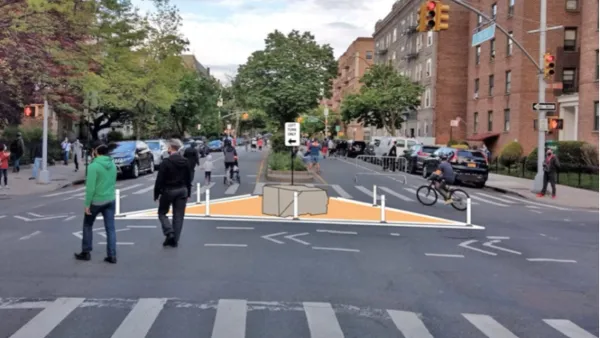
More Evidence That Open Streets Improve Safety
An analysis of New York's 34th Avenue shows substantial reductions in crashes and injuries, strengthening the body of evidence supporting car-free streets.
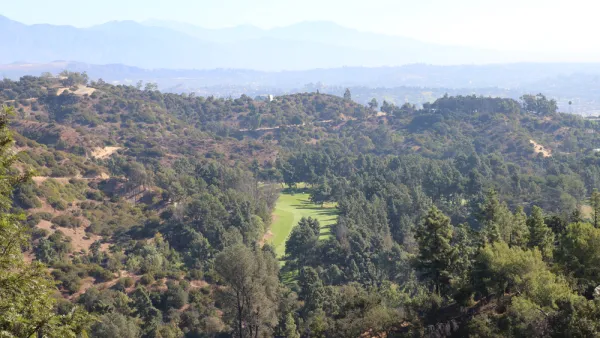
Proposed Bill Would Ease Conversion of Public Golf Courses to Housing in California
The California State Legislature will again consider a bill that would remove protections for municipal golf courses in the state, making it easier to rezone public golf properties for housing.
Planning Trends to Watch in 2022
Building a framework of understanding for the year to come.
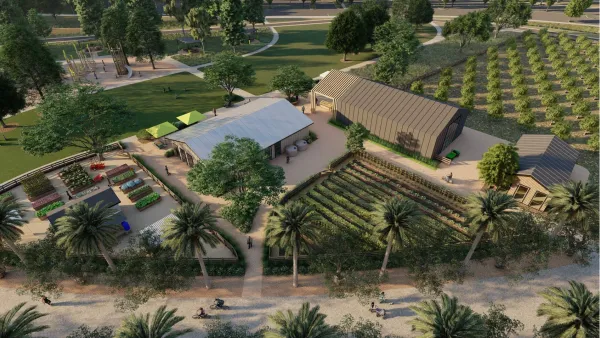
Massive New Park Coming to the Inland Empire
A 3.5-mile long greenway will bring trails, recreational facilities, and open space to Ontario, in San Bernardino County, California.
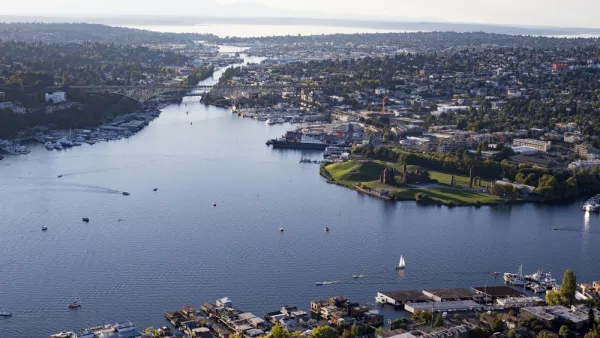
Washington Could Legalize 'Missing Middle' Housing Statewide
A proposed bill in the Washington state legislature that would legalize more multi-family housing in the state could add hundreds of thousands of units to the state's strained housing stock.

Land Trusts Had a Big Decade
Land trusts are diversifying, racking up victories, and conserving millions of acres of land in recent years, according to a recent report.
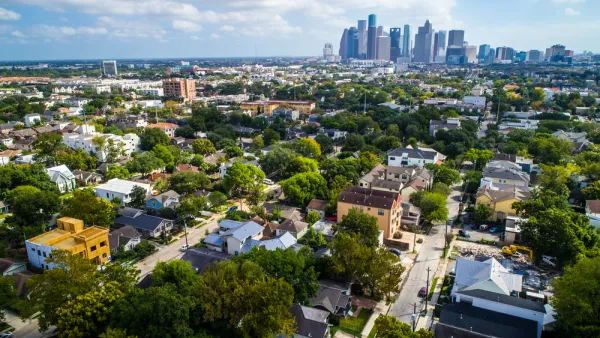
A Market Urbanism Manifesto
In his new book on market urbanism, Scott Beyer describes market urbanism and to compares it to the status quo.

Greenhouse Gas Emissions Growing Faster than the Economy in the U.S.
2021 greenhouse gas emissions from U.S. transportation increased 10 percent compared to the previous year, pushing the entire world further from the emissions reductions necessary to prevent the worst effects of climate change.
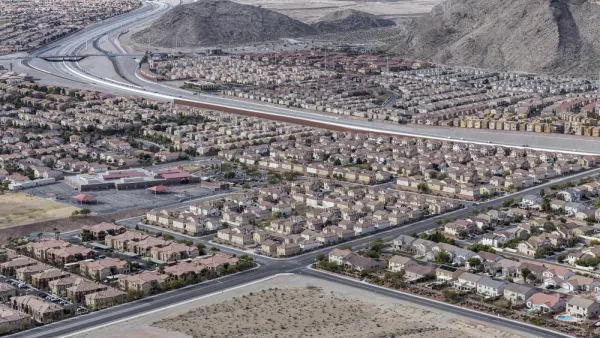
How COVID-19 and Skyrocketing Housing Costs Accelerated Sprawl
In search of space and affordability, American families are increasingly moving to suburbs and exurbs.

Toronto Searching for a Future for its Public Golf Courses
Amid calls to convert the city's golf courses to other uses, Toronto, Ontario city staff are trying to figure out a middle ground between competing interests.
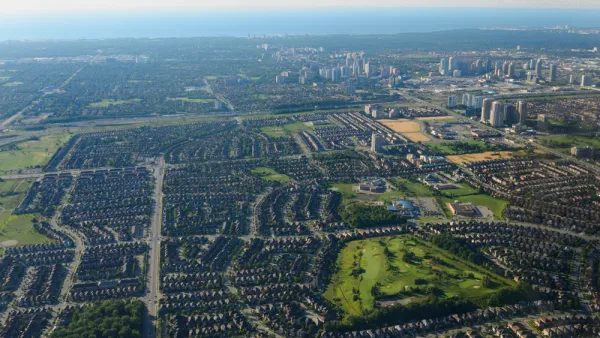
Nowhere to Build but Up
An old way of doing municipal business—generating development fees by opening farmland to development—is no longer paying dividends. Mississauga, Ontario serves as a cautionary tale for the bottom line of sprawl.
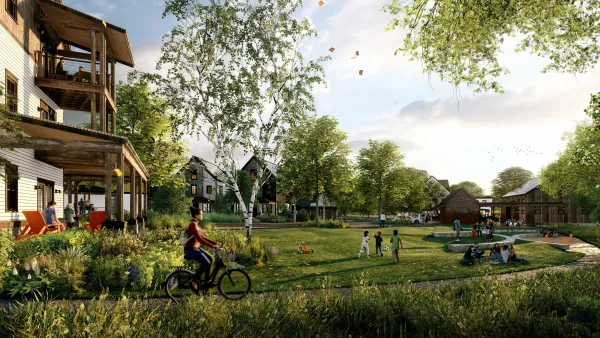
Mixed-Income 'Eco-Village' Planned in Michigan
A net-zero emissions development near Ann Arbor hopes to provide a model for sustainable communities.
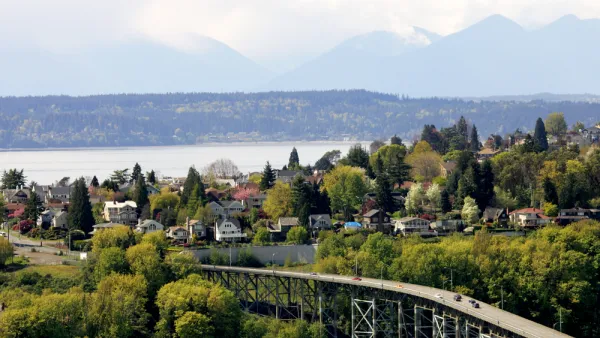
Survey: Seattle-Area Residents Support Upzoning
To fight the growing housing crisis, most King County residents support an end to single-family zoning and accelerated housing development, according to a new poll.
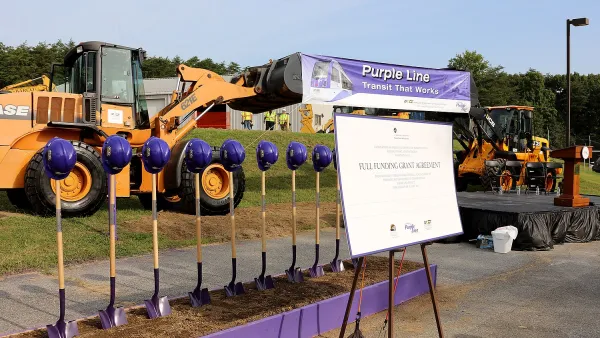
Beleaguered Purple Line Continues to Stoke Gentrification Fears in Maryland
Affordable housing advocates and other community groups in Maryland are calling for early and robust mitigation efforts to prevent displacement of longtime residents and businesses along the new Purple Line corridor.
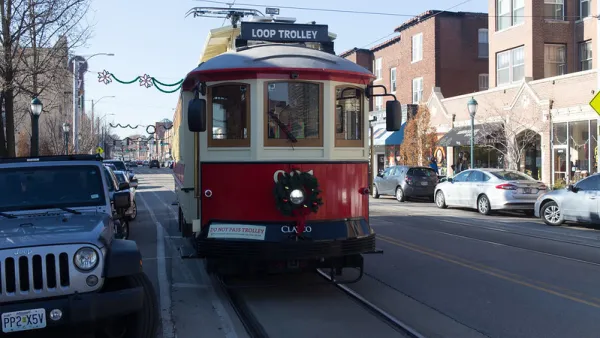
The Uncertain Future of the St. Louis Loop Trolley
St. Louis faces losing federal funds if the Loop Trolley remains defunct. But is the 2.2-mile line worth it?
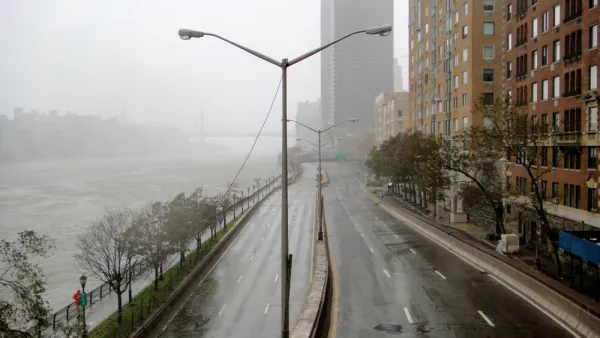
Saving Lower Manhattan
A debate over how to protect the East River waterfront from Sandy-level flooding and storm damage has delayed the project as community activists decry the city's last-minute change of plans.

FREE Course: Walkable City 1: Why Walkability?
After describing his path towards focusing on walkability as the essence of good planning, Jeff Speck marches through his five principal reasons for making more walkable places.
Reinventing Malls: Planning Alchemy—Turning Gray Fields Into Gold
The course focuses on the opportunities and imperatives that shape reinvention of mall sites.

One Hundred Miles
County of Mendocino
planning NEXT
The Architects Foundation
University of Cincinnati Online
Montrose County
Northern Illinois Transit Authority (NITA)
The Pocatello Development Authority









