Infrastructure
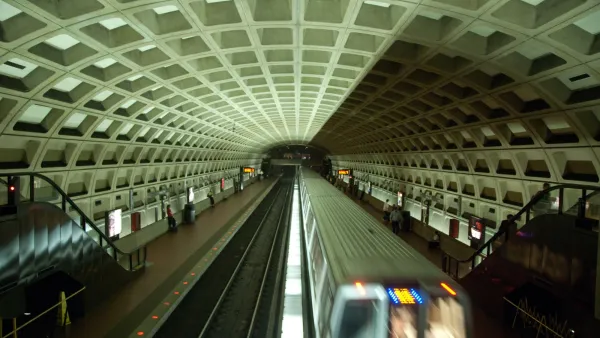
What Transit Systems Can Learn From D.C. Metro
The nation's second-largest transit system—and one of its newest—persists in the face of a host of challenges exacerbated by the pandemic.
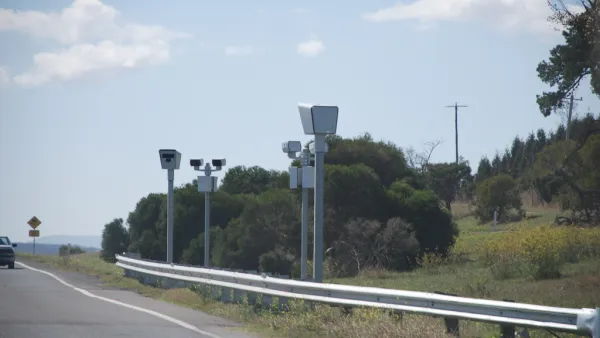
Study: Speed Cameras Save Lives
Data from Chicago reaffirms the efficacy of speed cameras at reducing traffic fatalities and serious injuries.
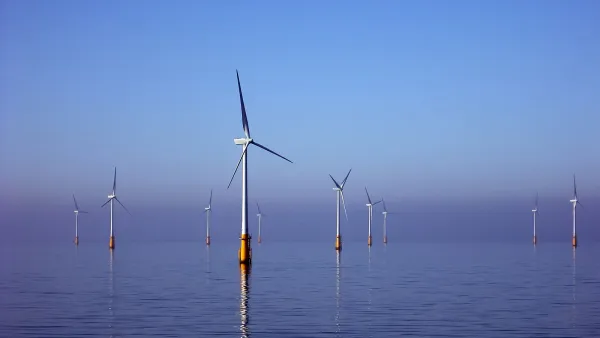
Northern California Port Seeks Offshore Wind Lease
The Port of Humboldt has proposed a plan to modernize its facilities to accommodate offshore wind energy production, hoping to stimulate the local economy and create sustainable jobs.
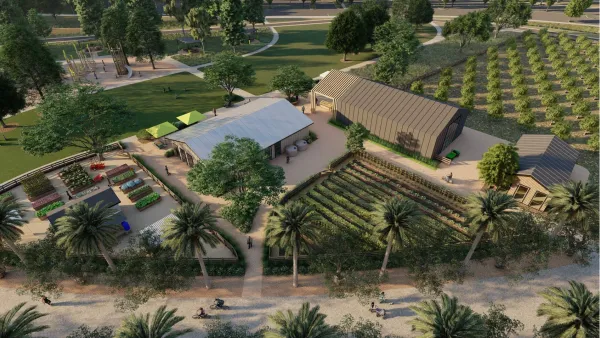
Massive New Park Coming to the Inland Empire
A 3.5-mile long greenway will bring trails, recreational facilities, and open space to Ontario, in San Bernardino County, California.
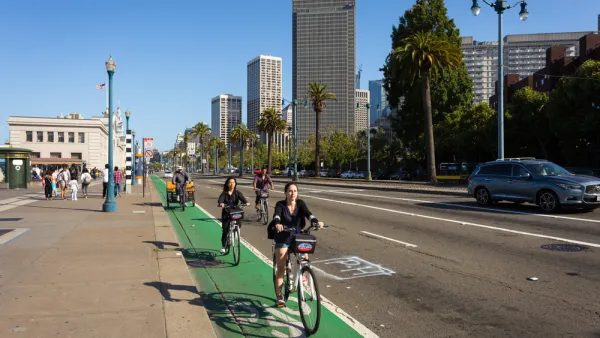
Caltrans Issues New Complete Streets Policy
A policy released by the California Department of Transportation in December will require Complete Streets elements in all state road projects.
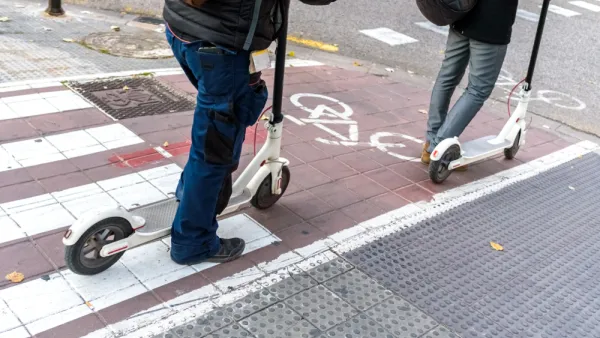
E-Scooter Helmet Laws Could Harm Ridership
Transportation experts warn that mandatory helmet laws for shared e-scooters could cripple the nascent industry and discourage casual rides.
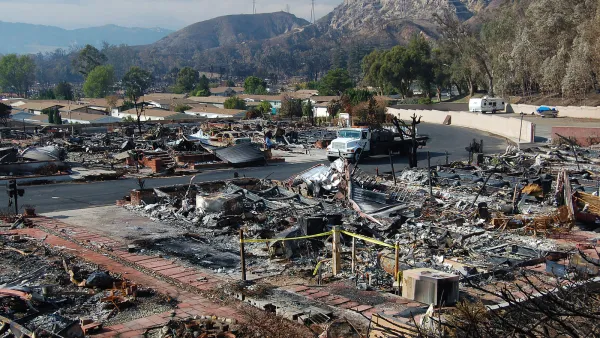
U.S. Communities Increasingly at Risk of Extreme Weather Events
As development pushes into more wildfire-prone areas and climate change makes extreme weather conditions more common, more Americans are experiencing the destructive impacts of climate disasters.
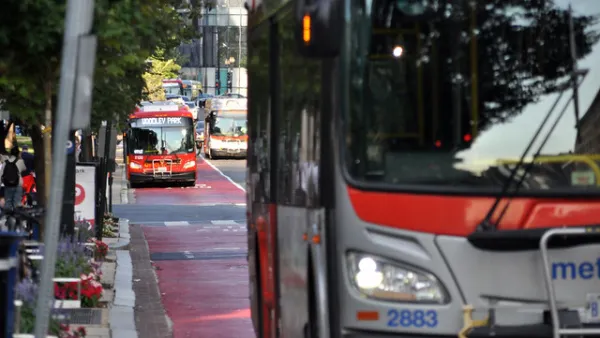
D.C. Bus Priority Plan To Expand Bus Lanes and Improve Service
A new plan from DDOT describes 51 bus priority projects aimed at improving service and making transit accessible to more D.C. commuters and residents.
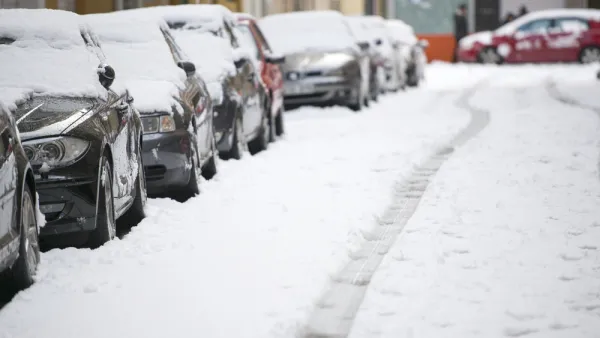
Snowstorm That Stranded Thousands Prompts Questions About Auto-Centric Development
After thousands of motorists spent over a day on a snowbound Virginia highway, experts are warning that auto-centric sprawl will worsen the impacts of extreme weather events.
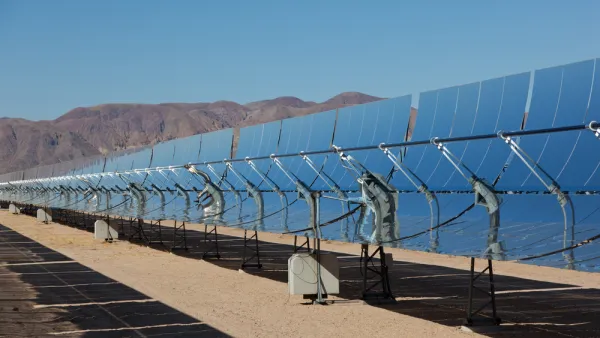
Delaware County Pauses Solar Applications In Response to Local Opposition
Large-scale solar developments face rising hostility from neighboring property owners who cite concerns about environmental degradation, reduced property values, and loss of farmland.
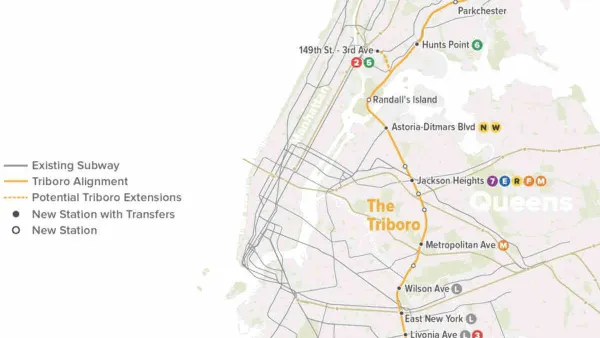
The Triboro Line Has New Life as the 'Interborough Express'
A proposed transit line that would connect three New York City boroughs not named Manhattan has new, powerful political support.
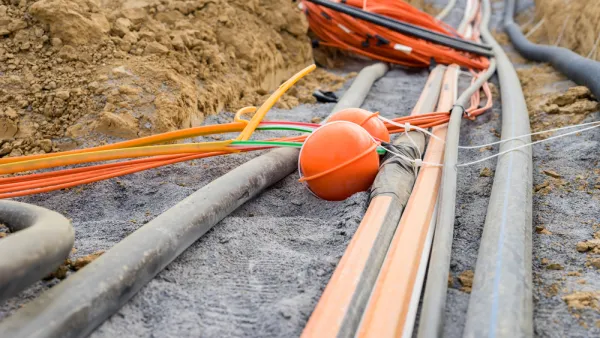
Broadband as Critical Transportation Infrastructure
The future of mobility depends on having a comprehensive, nationwide broadband network capable of supporting new transportation technologies and regulatory needs.
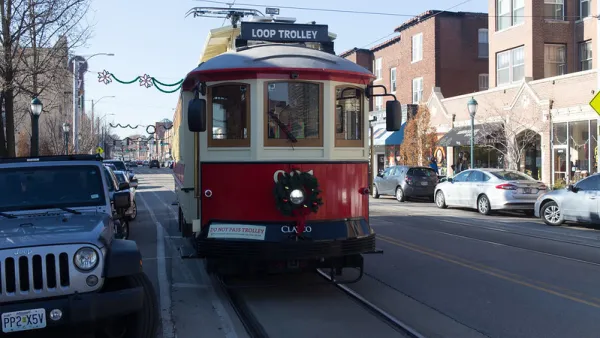
The Uncertain Future of the St. Louis Loop Trolley
St. Louis faces losing federal funds if the Loop Trolley remains defunct. But is the 2.2-mile line worth it?
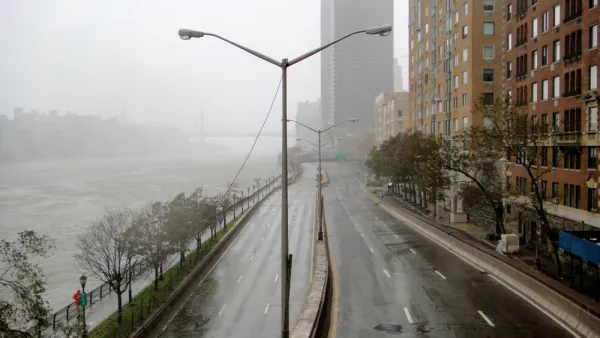
Saving Lower Manhattan
A debate over how to protect the East River waterfront from Sandy-level flooding and storm damage has delayed the project as community activists decry the city's last-minute change of plans.
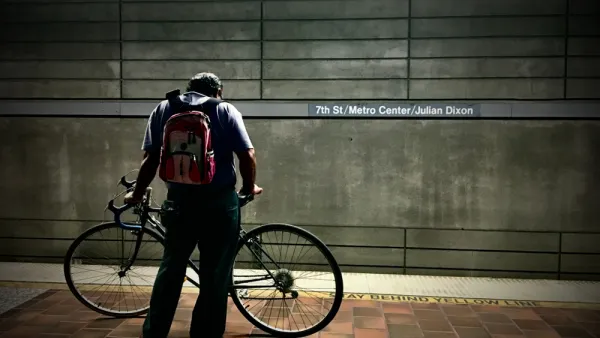
Equity Plus: Toward More Integrated Solutions
Many transportation equity strategies only address a small portion of the need. To be more effective, we need structural reforms that create more diverse and affordable transportation systems and more compact and multimodal communities.
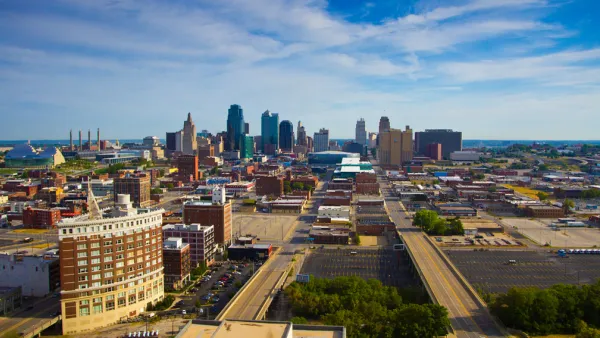
Bike Lanes Pitted Against Sidewalks in Kansas City
A proposed ordinance that would allow neighborhood associations to request removal of bike lanes has sparked a debate over how to prioritize bike and pedestrian infrastructure.
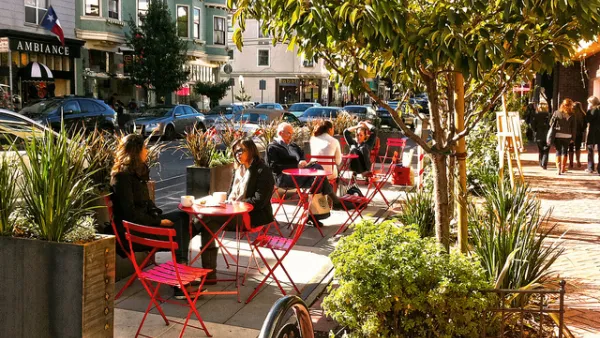
How the Pandemic Is Reshaping Cities
The social and economic upheaval of the last two years accelerated a shift in thinking about how we use public space and organize the urban realm.
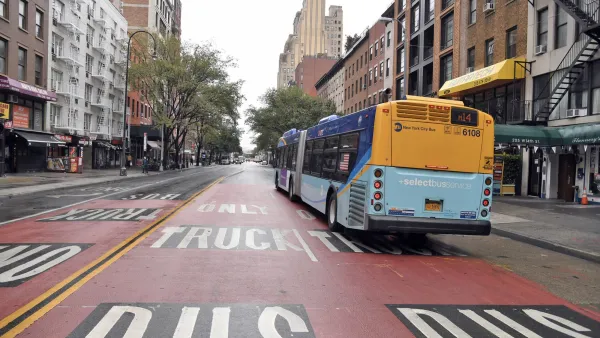
How New York City's Appearance Changed Under de Blasio
The former mayor's administration oversaw several major changes in the city's skyline, streets, and public spaces.
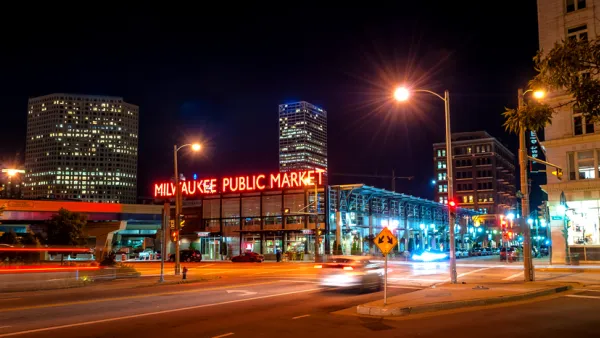
Milwaukee Traffic Calming Projects Take Aim at Reckless Driving
The city is using restriping, delineators, and other traffic calming measures to fight reckless driving and improve pedestrian safety.
How to Prioritize Equity in the Infrastructure Bill
Experts recommend a more rigorous focus on equity considerations as the federal government begins to select projects to fund through the Infrastructure Investment and Jobs Act.

FREE Course: Walkable City 1: Why Walkability?
After describing his path towards focusing on walkability as the essence of good planning, Jeff Speck marches through his five principal reasons for making more walkable places.
Reinventing Malls: Planning Alchemy—Turning Gray Fields Into Gold
The course focuses on the opportunities and imperatives that shape reinvention of mall sites.

City of Thousand Oaks
City of Wisconsin Rapids
Harvard University Graduate School of Design
The Architects Foundation
University of Cincinnati Online
Northern Illinois Transit Authority (NITA)
The Pocatello Development Authority
The Urban Renewal Agency of the City of Pocatello